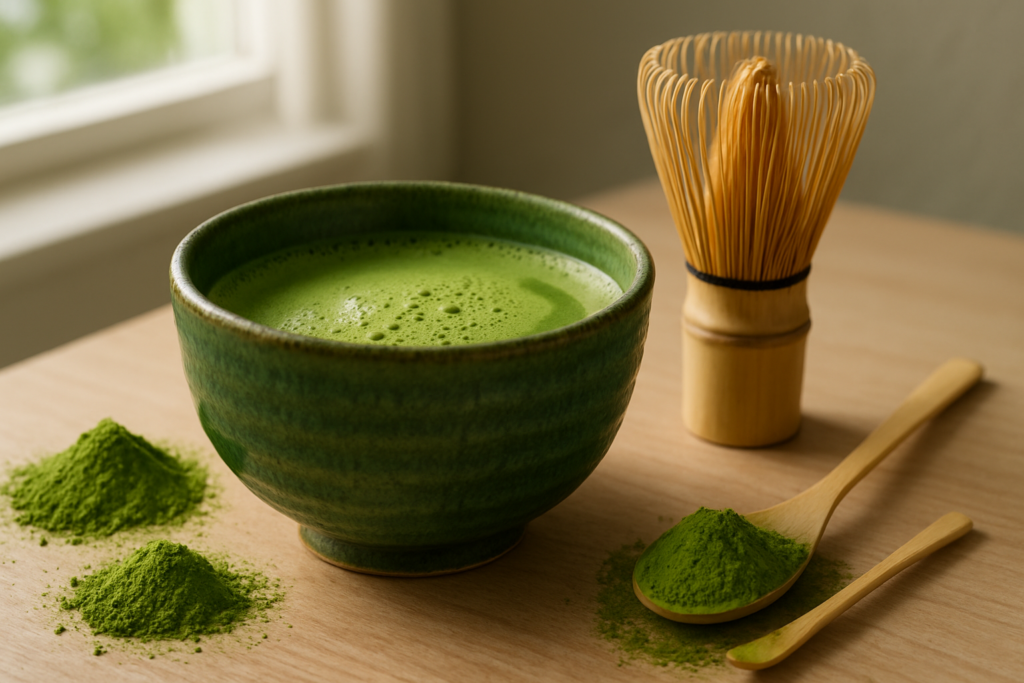
In my practice as a health coach and nutritionist, I’ve found that limiting matcha intake to about 2–4 grams per day, or roughly 1–2 teaspoons, is a safe daily limit for most people. This amount, which equates to about 1–2 cups of matcha tea, contains approximately 70–140mg of caffeine. This is enough to enjoy the benefits without the risk of side effects like caffeine jitters or liver strain, especially for those sensitive to caffeine or with pre-existing liver conditions.
Matcha Dosage & Caffeine Matrix
Unlike standard green tea, matcha is consumed as a powder made from ground whole leaves, providing a concentrated source of nutrients and caffeine. Understanding this concentration is key to managing your intake.
| Intake Level | Powder Amount (Grams/Tsp) | Approx. Caffeine (mg) | Safety & Goal Profile |
|---|---|---|---|
| Low | 1g / 0.5 tsp | 35mg | Relaxed alertness |
| Moderate | 2g / 1 tsp | 70mg | Focused energy |
| High | 4g / 2 tsp | 140mg | Potential side effects |
| Excessive | 6g / 3 tsp | 210mg | Risk of jitters, insomnia |
How Much Matcha Is Too Much? The Safe Daily Limits
Here’s what I’ve gathered from both client feedback and my own kitchen tests:
- Optimal daily intake: 1–2 cups, approximately 2–4g matcha.
- High-dose threshold: Over 4g may lead to caffeine overload, especially if combined with other caffeine sources.
- L-theanine present in matcha helps buffer the caffeine effects, promoting calm alertness without the crash.
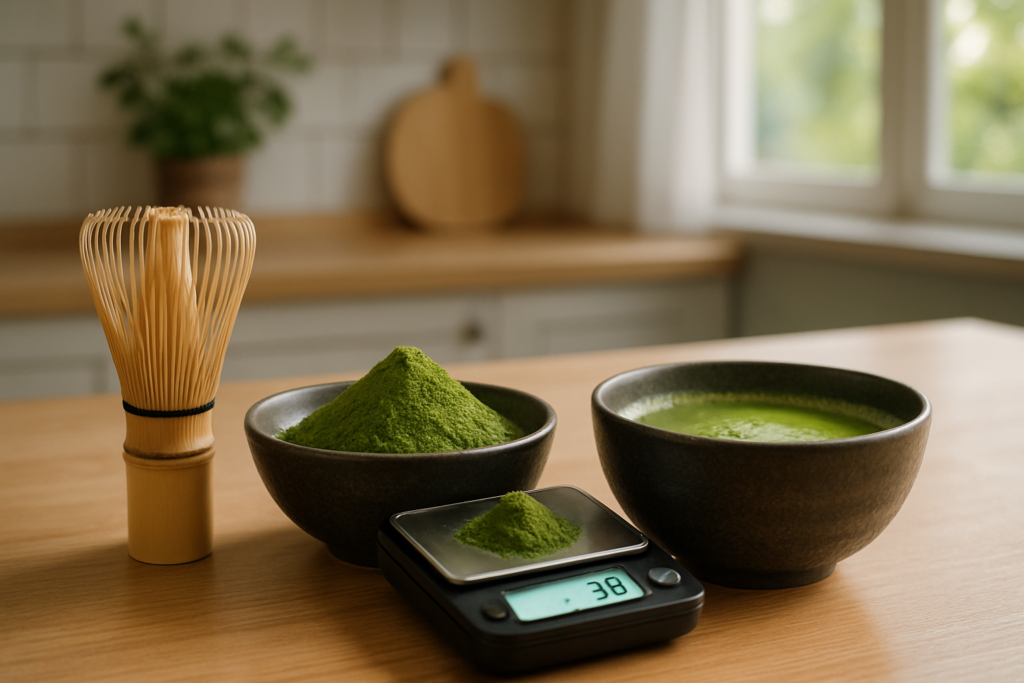
Side Effects of Overconsumption: What Happens When You Drink Too Much
Overindulging in matcha can lead to several side effects:
- Digestive Issues: Consuming matcha on an empty stomach may cause nausea due to tannins and caffeine.
- Iron Absorption: Tannins in matcha can inhibit non-heme iron absorption. Pro tip: Wait at least an hour after meals before drinking matcha to minimize this effect.
- Liver Toxicity Concerns: While matcha is safe in normal doses, green tea extracts in high doses can stress the liver.
- Heavy Metals: Choose high-quality, organic matcha tested for lead and other contaminants to avoid heavy metal exposure.
Quality Grades, Temperature & Kitchen Preparation Hacks
Choosing the right grade of matcha and preparing it correctly can enhance your experience:
- Ceremonial vs. Culinary Grade: Use ceremonial for drinking and culinary for cooking.
- Water Temperature: Use water heated to 70°C–80°C (160°F–175°F) to avoid scorching the tea and destroying beneficial catechins.
- Stomach Protection: Pair matcha with a small amount of food or plant milk to cushion its impact on an empty stomach.
Real Questions From My Coaching Clients
- How many cups of matcha per day can I safely drink?
- Generally, 1–2 cups per day is considered safe for most people, balancing enjoyment and health benefits without excessive caffeine intake.
- Can too much matcha really affect my liver?
- While normal matcha consumption is safe, be wary of high doses found in green tea extracts which have been linked to liver toxicity.
- Does matcha affect iron absorption?
- Yes, the tannins can inhibit iron absorption. A practical tip is to drink matcha at least an hour after meals to reduce this effect.
- Are there side effects from the caffeine in matcha?
- Matcha contains caffeine, which in high amounts can cause jitters and insomnia. The presence of L-theanine helps mitigate this, but sensitive individuals should limit intake.
This content is based on performance nutrition and practical culinary research. It is for informational purposes only and does not constitute medical advice. Consult a healthcare professional before significantly altering your dietary routine, especially if pregnant or managing iron deficiency.