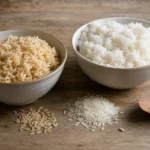

For the fastest substitute for heavy cream in soup, use evaporated milk 1:1 for a light-to-medium, neutral result. For the lightest, thinnest dairy option, use regular whole milk 1:1; for richer dairy flavor, use 3/4 cup whole milk plus 1/4 cup melted butter per cup of cream. Use full-fat Greek yogurt for a thicker, tangy result, added off the heat, or coconut cream 1:1 when a dairy-free option and coconut flavor fit the soup.
No substitute is identical to heavy cream. Heavy cream contains at least 36% milkfat under the U.S. standard of identity, so regular milk produces the thinnest, least-rich result; evaporated milk provides light-to-medium body; and milk plus butter adds richer dairy flavor without necessarily matching cream’s thickness. Yogurt adds acidity, while coconut cream brings a distinct flavor. FDA regulations for heavy cream explain why a simple milk swap changes both texture and richness.
Choose by the Texture You Want
Start with the texture category that fits your soup: light and thin, light-to-medium and neutral, or richer dairy-style. Regular milk is the lightest and thinnest option; evaporated milk gives a light-to-medium result with neutral dairy flavor; and whole milk plus butter adds a richer dairy character. Richness and thickness are not the same: butter and coconut cream add richness, while potatoes, beans, blended vegetables, and starches add body more reliably.
Ratios below are practical starting points for soup, not chemically exact replacements. Product fat levels, soup acidity, starch, and cooking method can all change the final result.
Texture spectrum: Light and thin — regular milk • Light-to-medium and neutral — evaporated milk • Richer dairy-style — whole milk plus butter • Thick and tangy — Greek yogurt • Rich and dairy-free — coconut cream • Thick without added creaminess — blended vegetables, beans, or potatoes
| Substitute | Ratio per 1 cup cream | Texture | Flavor | When to add | Heat tolerance |
|---|---|---|---|---|---|
| Whole milk | 1 cup | Light and thin | Mild dairy | Near the end | Gentle simmer |
| Evaporated milk | 1 cup | Light-to-medium and neutral | Neutral dairy | Final simmer | Gentle simmer |
| Whole milk + butter | 3/4 cup + 1/4 cup | Richer dairy-style | Buttery dairy | Near the end | Gentle simmer |
| Full-fat Greek yogurt | 3/4–1 cup | Thick and tangy | Noticeably tart | Off heat, tempered | Do not boil |
| Coconut cream | 1 cup | Rich and dairy-free | Noticeable coconut | Near the end | Gentle simmer |
| Blended beans, vegetables, or potato | Add gradually | Thick without added creaminess | Depends on ingredient | During cooking or at end | Usually stable |
- Want a light and thin soup? Choose regular milk.
- Want a light-to-medium, neutral soup? Choose evaporated milk.
- Want a richer dairy-style soup? Choose whole milk plus butter.
- Want a thick and tangy soup? Choose Greek yogurt.
- Need a rich, dairy-free option? Choose coconut cream if its flavor suits the recipe.
- Need thickness without added creaminess? Blend potato, beans, vegetables, or silken tofu.
Light Substitutes for a Thinner, More Neutral Soup
Evaporated milk: the easiest 1:1 swap
Use 1 cup evaporated milk for every 1 cup heavy cream. Because evaporated milk is concentrated milk, it provides more body than regular milk while staying fairly neutral in flavor. It is a practical heavy cream replacement for soup when you want creaminess without the full richness of cream.
It works especially well in tomato, potato, chicken, corn, mushroom, and blended vegetable soups. Stir it in during the final simmer or warm it gently with the soup. It is generally more forgiving than yogurt, but avoid a prolonged hard boil if a smooth texture matters.
Use plain evaporated milk, not sweetened condensed milk. Condensed milk contains added sugar and will change the flavor dramatically.
Whole milk or 2% milk: the lightest dairy option
Milk can replace heavy cream 1:1, but the soup will be thinner and less lush. Whole milk provides more body than 2% milk, while skim milk gives the least richness and is more likely to make a soup taste diluted.
Add milk near the end of cooking and keep the pot at a gentle simmer. Milk replaces liquid and some dairy flavor, but it does not reproduce cream’s fat level or thickness.
If the soup needs more body, thicken it separately rather than simply pouring in more milk. A small cornstarch slurry can help, or you can blend part of the soup; the University of Nebraska–Lincoln’s ingredient substitution guidance includes cornstarch among standard thickening options.
Medium Substitutes for Balanced Richness and Body
Whole milk plus butter: richer dairy flavor
For each cup of heavy cream, whisk together 3/4 cup whole milk and 1/4 cup melted unsalted butter. This is an approximate cooking substitution that restores some of the fat missing from milk, making it a useful choice for soups and sauces.
The mixture tastes richer and smoother than milk alone, but it may not be as thick as heavy cream. Use it in potato, mushroom, chicken, corn, or blended vegetable soups where a buttery dairy flavor makes sense.
Whisk the butter and milk together, then add the mixture gradually near the end of cooking. Keep the soup below a hard boil and stir to prevent scorching. Unsalted butter gives you more control when adjusting salt afterward.
Greek yogurt: thicker, tangier, and more substantial
Start with 3/4 to 1 cup full-fat Greek yogurt per cup of heavy cream. If it seems too thick to stir in smoothly, loosen the yogurt first with a little broth. This is a texture-and-flavor swap, not a fat-equivalent replacement.
Greek yogurt works well in tomato, lemon, mushroom, chicken-and-herb, and borscht-style soups where a gentle tang is welcome. It is a poorer match for delicate soups that need a clean, mild cream flavor.
To reduce curdling, put the yogurt in a bowl and whisk in one ladle of warm—not boiling—soup. Then stir the warmed yogurt mixture back into the pot after removing it from the heat, or during a very gentle warm-through. Full-fat yogurt is usually more forgiving than nonfat yogurt, but no yogurt is guaranteed not to split under high heat. Utah State University Extension also advises care with heat when using yogurt in cooked dishes. See Utah State University Extension’s food and nutrition guidance.
Rich Substitutes for Full Body or Dairy-Free Soups
Coconut cream: rich and dairy-free
Use 1 cup coconut cream for 1 cup heavy cream, then adjust based on how thick and coconut-forward you want the soup. Coconut cream is thicker and richer than canned full-fat coconut milk; coconut milk is a workable but thinner substitute.
Coconut cream is best in curry, squash, sweet potato, carrot, lentil, Thai-inspired, and strongly seasoned soups. It is not a neutral replacement: its coconut flavor can clash with lightly seasoned chicken, mushroom, or classic potato soups.
Stir it in near the end and simmer gently rather than boiling vigorously for a long time. Choose unsweetened canned coconut cream. Dairy-free does not automatically mean low-calorie; coconut cream and cashew cream can still be calorie-dense.
Blended vegetables, beans, or potatoes: creaminess without cream
These are functional alternatives rather than direct cream substitutes. Add them in small increments and blend until the soup reaches the body you want, because moisture and starch vary widely by ingredient.
- Cooked potato: Best for potato, leek, and vegetable soups; adds starch and a velvety thickness.
- White beans: Good in savory vegetable, tomato, and bean soups; add body with a mild savory flavor.
- Cauliflower or other cooked vegetables: Useful for a lighter-bodied purée, though color and flavor may shift.
- Cashew cream: A rich vegan option when tree nuts are suitable; avoid it for nut allergies.
- Silken tofu: A relatively neutral vegan choice that blends smoothly into many puréed soups.
These options thicken more reliably than milk or butter. They may not deliver the same dairy richness, but they are especially useful when the soup already has a vegetable-forward flavor.
Best Substitute by Soup Type
- Tomato soup: Evaporated milk for a mild result, Greek yogurt when tang fits, or coconut cream for a dairy-free variation.
- Potato soup: Whole milk plus butter, evaporated milk, or extra blended potato.
- Mushroom soup: Evaporated milk or milk plus butter; Greek yogurt can work if a slight tang is desirable.
- Chicken soup: Evaporated milk or milk plus butter. Use yogurt only when the recipe already includes lemon, herbs, or other bright flavors.
- Curry soup: Coconut cream or full-fat coconut milk.
- Vegetable purée soup: Evaporated milk, coconut cream, blended beans, or extra cooked vegetables.
Acidity changes the choice. Tomato, lemon, wine, and vinegar can make dairy more prone to separation, so add milk-based ingredients late and keep the heat low. They can also make Greek yogurt’s tang feel more natural.
How to Add a Cream Substitute Without Curdling
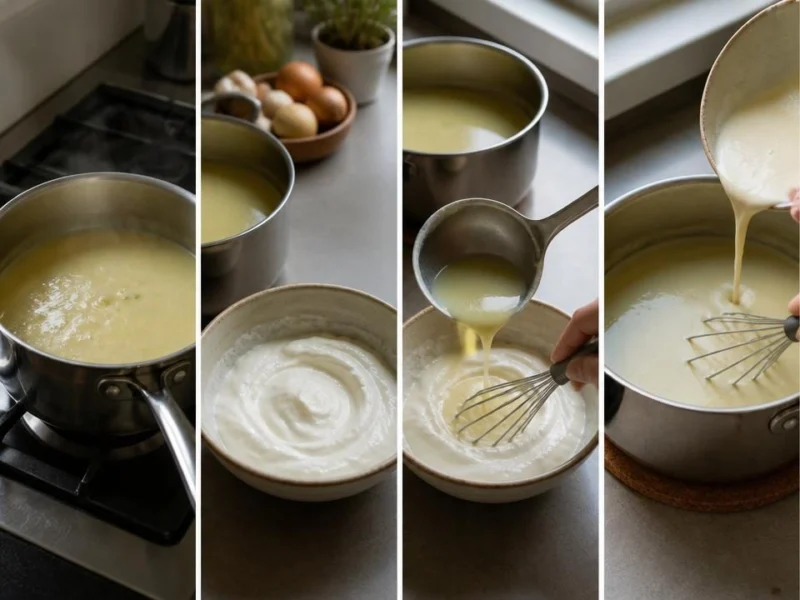
Heat handling: Gentle simmer — evaporated milk and milk-based mixtures. Add near the end — coconut cream and milk plus butter. Temper and add off heat — Greek yogurt. Reheat gently — all substitutes.
- Match the substitute to the soup’s acidity and the body you want.
- Reduce the heat before adding milk, yogurt, or coconut products.
- For Greek yogurt, temper it with warm broth before it enters the pot.
- Add dairy substitutes near the end whenever possible.
- Keep the soup at a gentle simmer instead of a rolling boil.
- Taste after adding the substitute, then adjust salt, acidity, and thickness.
- For leftovers, reheat slowly and avoid boiling.
Acidity, fat level, starch, brand formulation, and cooking method all affect stability. In a slow cooker, add milk, yogurt, or coconut cream near the end rather than letting it cook for hours. If a soup separates slightly, whisking or briefly blending may improve the appearance, although it will not always restore a perfectly smooth texture.
Can You Use Milk Instead of Heavy Cream Without Butter?
Yes. Use milk 1:1, with whole milk as the best regular-milk choice for body. The trade-off is a thinner, less rich soup because milk contains much less fat than heavy cream.
If you need thickness, use a small cornstarch slurry according to the package or tested recipe instructions, or blend part of the soup. Adding butter can improve richness, but it does not automatically make the soup thicker.
Final Choice Rule
- Choose evaporated milk for the safest neutral everyday swap.
- Choose milk plus butter when dairy richness matters most.
- Choose Greek yogurt when tang and thickness are desirable.
- Choose coconut cream when the soup is dairy-free and coconut flavor belongs.
- Choose a blended vegetable, bean, or potato when the goal is body without relying on cream.