In my years of working with clients on their weight loss journeys, I’ve found that consuming about 0.8 to 1 gram of protein per pound of body weight per day is optimal for losing weight while maintaining muscle mass. This translates to about 1.8 to 2.2 grams per kilogram of body weight. Tailoring this intake to your specific needs can significantly enhance fat loss and help you retain that hard-earned lean muscle.
The Macro Calculator & Target Ranges
Determining your protein needs isn’t a one-size-fits-all; it varies depending on your weight, activity level, and how aggressive your calorie deficit is. Here’s a simple guide to help you set realistic protein targets.
| Goal / Activity Level | Daily Protein Target (g/lb & g/kg) | Primary Benefit |
|---|---|---|
| Moderate Activity | 0.8 g/lb (1.8 g/kg) | Fat loss with muscle retention |
| High Activity | 1.0 g/lb (2.2 g/kg) | Enhanced muscle preservation |
| Intense Training | 1.2 g/lb (2.6 g/kg) | Maximizing muscle gain |
Why Protein Accelerates Fat Loss: The Physiology
Protein isn’t just a macronutrient; it’s a powerful ally in your fat loss journey. Here’s how it helps:
- Thermogenic Effect of Food (TEF): Protein requires more energy to digest than fats or carbs, boosting your metabolism.
- Satiety Hormones: Protein increases hormones like PYY and GLP-1, which help curb hunger and reduce overall calorie intake.
- Muscle Preservation: It prevents muscle loss during calorie deficits, ensuring your metabolism stays robust.
- Improved Body Composition: Eating enough protein helps maintain lean muscle, leading to a more toned appearance.
Common Macro Counting Mistakes & Real-World Hacks
I’ve seen many clients make similar mistakes when counting macros. Here are a few practical tips to keep you on the right track:
- Overestimating protein in whole foods: Remember, not all meats are pure protein; account for fats too.
- Ignoring net vs. total macros: Focus on net protein intake after accounting for fiber and other macros.
- Spacing protein intake across meals: Aim for 20-30g of protein per meal to maximize muscle protein synthesis.
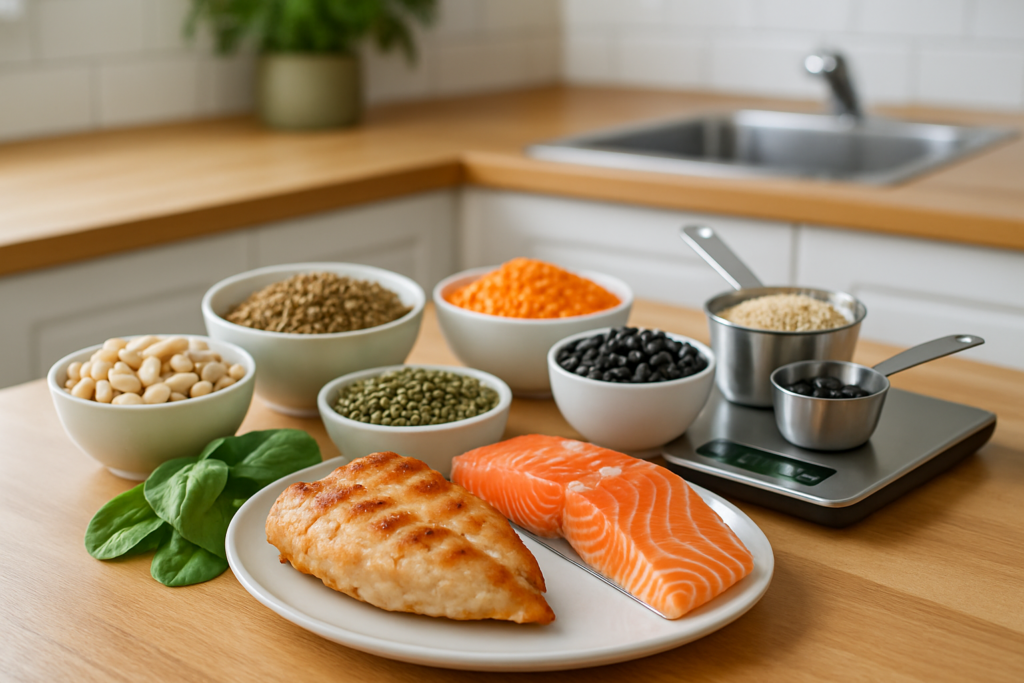
- Practical Tip: Use a food scale for precise measurements and record your intake on a reliable app to avoid underestimating.
High-Protein Food Matrix & Meal Distribution
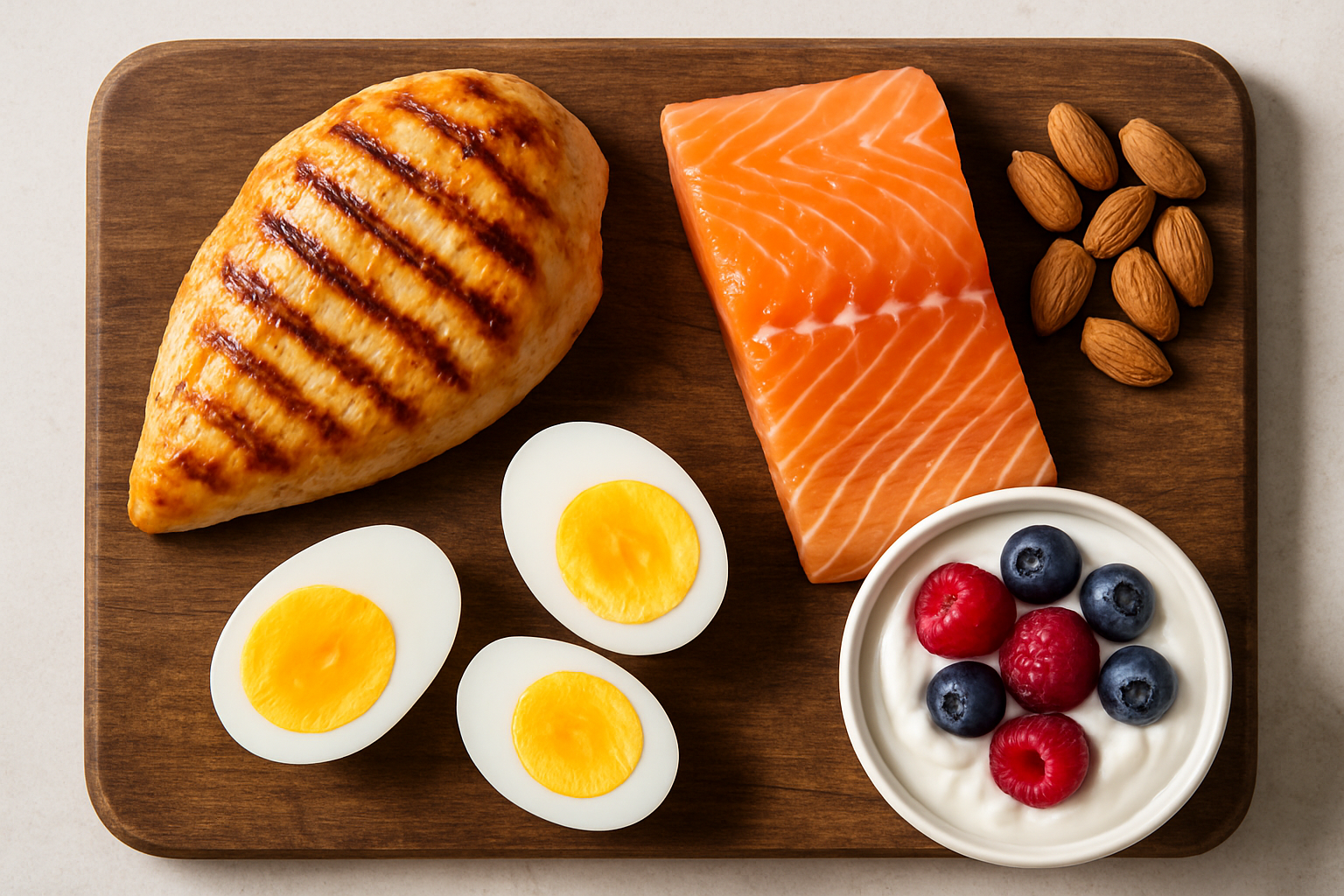
Here’s how you can distribute protein evenly across your daily meals and some foods to consider:
- Breakfast: Start with eggs or Greek yogurt.
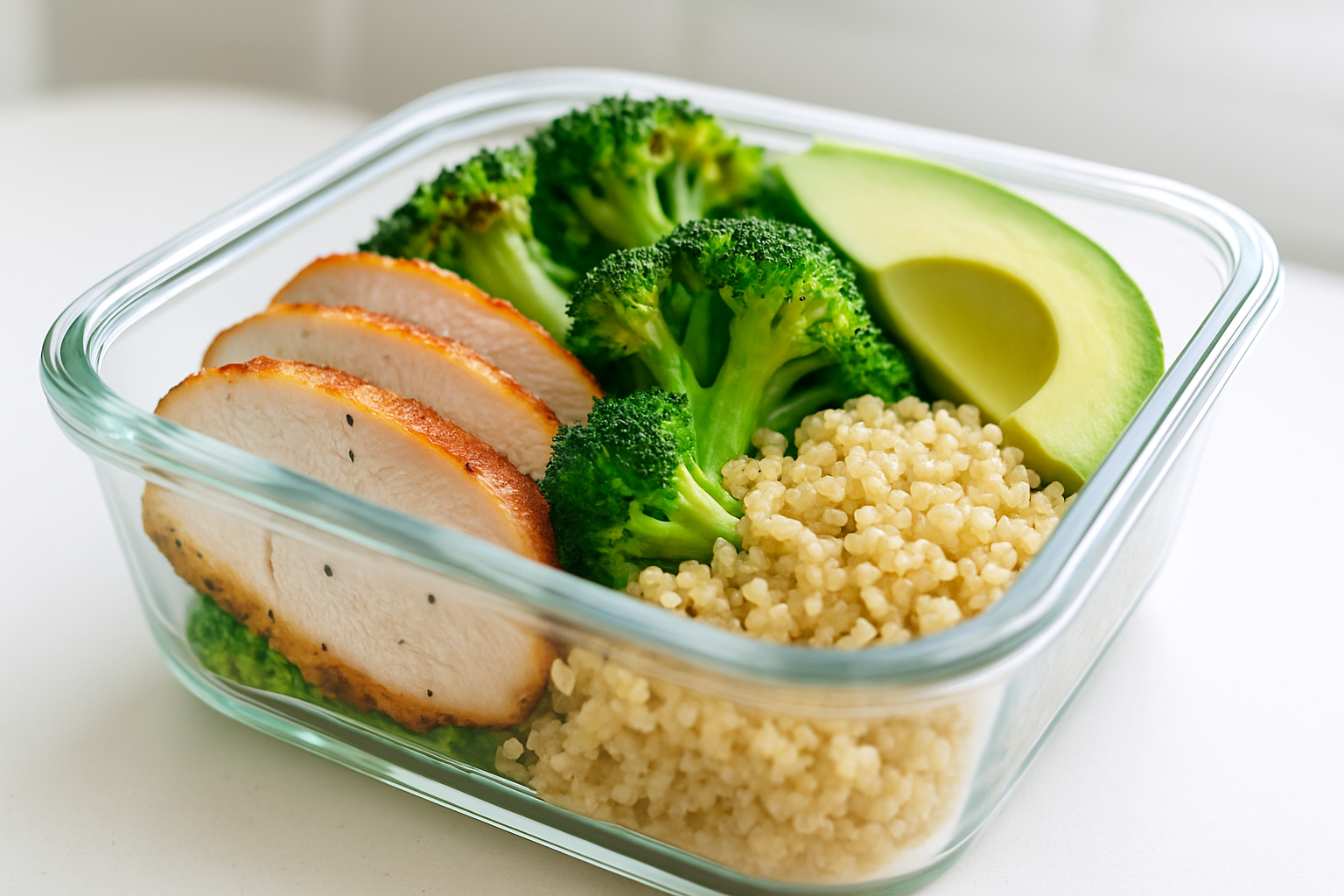
- Lunch: Include lean meats like chicken or turkey.
- Snacks: Almonds or a protein shake can help meet your targets.
- Dinner: Fish or tofu with a side of legumes.
Real Questions About How Much Protein Do You Really Need a Day to Lose Weight? From My Practice
- How many grams of protein per day to lose weight effectively?
- Aim for 0.8 to 1 gram per pound of body weight. Adjust based on your activity level and personal goals.
- How much protein should a woman eat a day to lose weight?
- Women typically need 0.8 grams per pound of body weight. This can vary based on activity and metabolic factors.
- Is a high protein diet for weight loss beneficial?
- Yes, it aids in preserving muscle and enhancing satiety, which can help manage calorie intake more effectively.
- How does protein intake affect fat loss while keeping muscle?
- Protein supports muscle maintenance during calorie deficits, ensuring that the weight lost is primarily from fat stores.