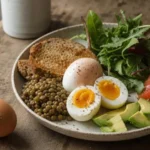
I recommend building a fat-loss diet around potatoes, oats, beans, lentils, fruit, barley, and other minimally processed carbohydrates rather than cutting carbs completely. These foods can provide fiber, water, volume, and useful meal energy, but they do not burn fat by themselves: body-fat reduction still requires a sustained calorie deficit. A practical starting point is one fist-sized carbohydrate serving beside a palm-sized protein serving and a generous portion of vegetables.
The Best Healthy Carbs for Fat Loss, Compared
The best healthy carbs for weight loss are judged by more than carbohydrate grams. Calorie density, fiber, protein contribution, water content, cooking method, portion control, price, and your ability to repeat the meal all matter.
The word complex does not automatically make a food weight-loss friendly. Granola can contain oats and still be energy-dense because of oil, nuts, syrup, and dried fruit. A large bowl of brown rice can provide more calories than intended, and potatoes can become a high-calorie side when roasted in generous amounts of oil. Fiber helps with fullness and bowel regularity, but it does not cancel calories.
The current 2025–2030 Dietary Guidelines for Americans emphasize whole, nutritious foods and reducing highly processed foods, refined carbohydrates, and added sugars. That direction fits fat loss, but it does not require avoiding every refined food or counting every carbohydrate as harmful.
| Food | Typical portion | Calories | Fiber | Protein | Best use |
|---|---|---|---|---|---|
| Cooked oats | 1 cup, water-cooked | ~160 | ~4 g | ~6 g | Breakfast base |
| Baked potato | 170 g, skin on | ~160 | ~4 g | ~4 g | High-volume side |
| Baked sweet potato | 130 g | ~115 | ~4 g | ~2 g | Meal carbohydrate |
| Cooked lentils | 1/2 cup | ~115 | ~8 g | ~9 g | Fiber and protein |
| Cooked black beans | 1/2 cup | ~115 | ~7 g | ~8 g | Filling meal component |
| Cooked pearl barley | 1 cup | ~190 | ~6 g | ~4 g | Soup or grain bowl |
| Raw apple, skin on | 1 medium | ~95 | ~4 g | ~1 g | Portable snack |
| Air-popped popcorn | 3 cups | ~90 | ~3 g | ~3 g | High-volume snack |
These are rounded estimates for plain foods using common cooked, raw, or ready-to-eat entries. Brand, variety, drained weight, cooking method, and added oil can change the totals. Dry oats, cooked oats, raw potatoes, and baked potatoes must be logged using the matching state.
Potatoes often provide exceptional volume for their calories, especially when baked or boiled without large amounts of added fat. Beans and lentils contribute the most protein among the carbohydrate foods in this table, although they are not as protein-dense as chicken, fish, eggs, dairy, tofu, or protein-rich meat alternatives.
Oats and barley supply soluble and other fermentable fibers, but dry portions are easy to overserve. Fruit supplies water and fiber with little protein. Air-popped popcorn can be useful for a large snack; oil, butter, caramel, cheese powder, and movie-theater preparation can change its calorie density substantially.
Which carb choices fit each fat-loss goal?
| Goal | Best choices |
|---|---|
| High hunger | Potatoes, lentils, beans |
| Training fuel | Oats, potatoes, rice, fruit |
| Lower calorie density | Potatoes, berries, apples |
| More protein | Lentils, beans, peas |
| Lowest cost | Oats, potatoes, dried beans |
| Sensitive digestion | Small servings, gradual fiber |
Use fiber density instead of carbohydrate grams alone
A useful comparison tool is:
Fiber density = grams of fiber ÷ calories × 100
A food with 5 grams of fiber and 200 calories provides 2.5 grams of fiber per 100 calories. This is not a complete food-quality score, but it prevents a common mistake: judging a food only by its carbohydrate total.
For example, a plain bowl of cooked oats may compare favorably with a smaller serving of refined cereal when fiber, water, and portion size are considered together. The comparison changes if the oats contain several tablespoons of nut butter, honey, granola, or coconut flakes. Protein, added sugar, energy density, and personal tolerance still matter.
The same principle helps with fruit. An apple or a bowl of berries generally delivers more water and chewing than fruit juice. The juice may contain similar carbohydrate grams from the original fruit, but it is easier to consume quickly and usually provides less intact fiber.
Why These Carbs Can Make a Calorie Deficit Easier
Fiber, water, and stomach volume
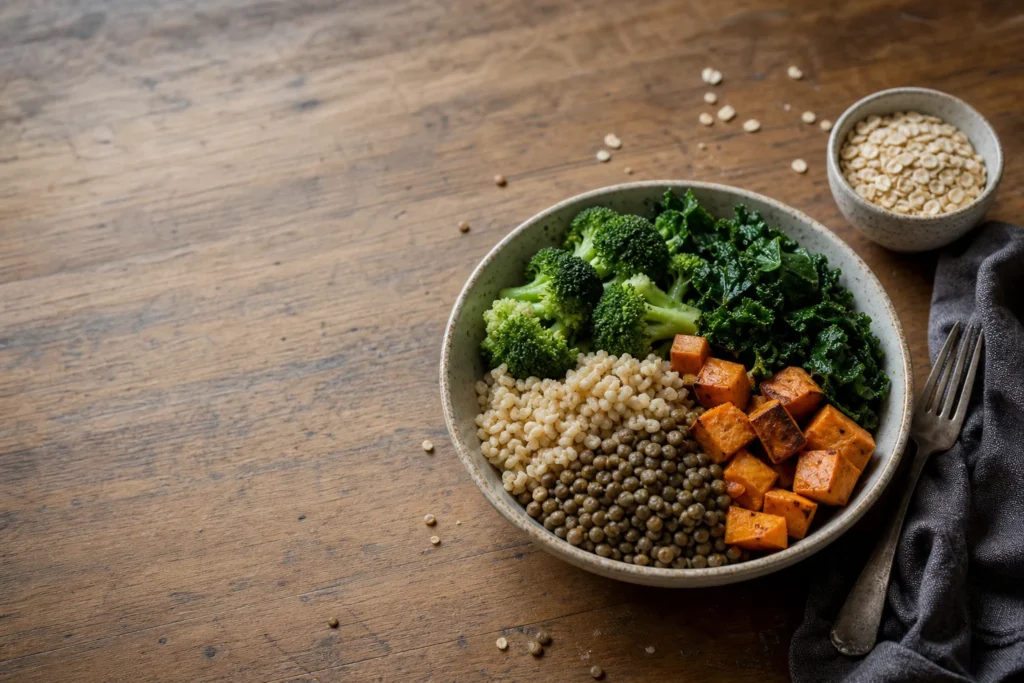
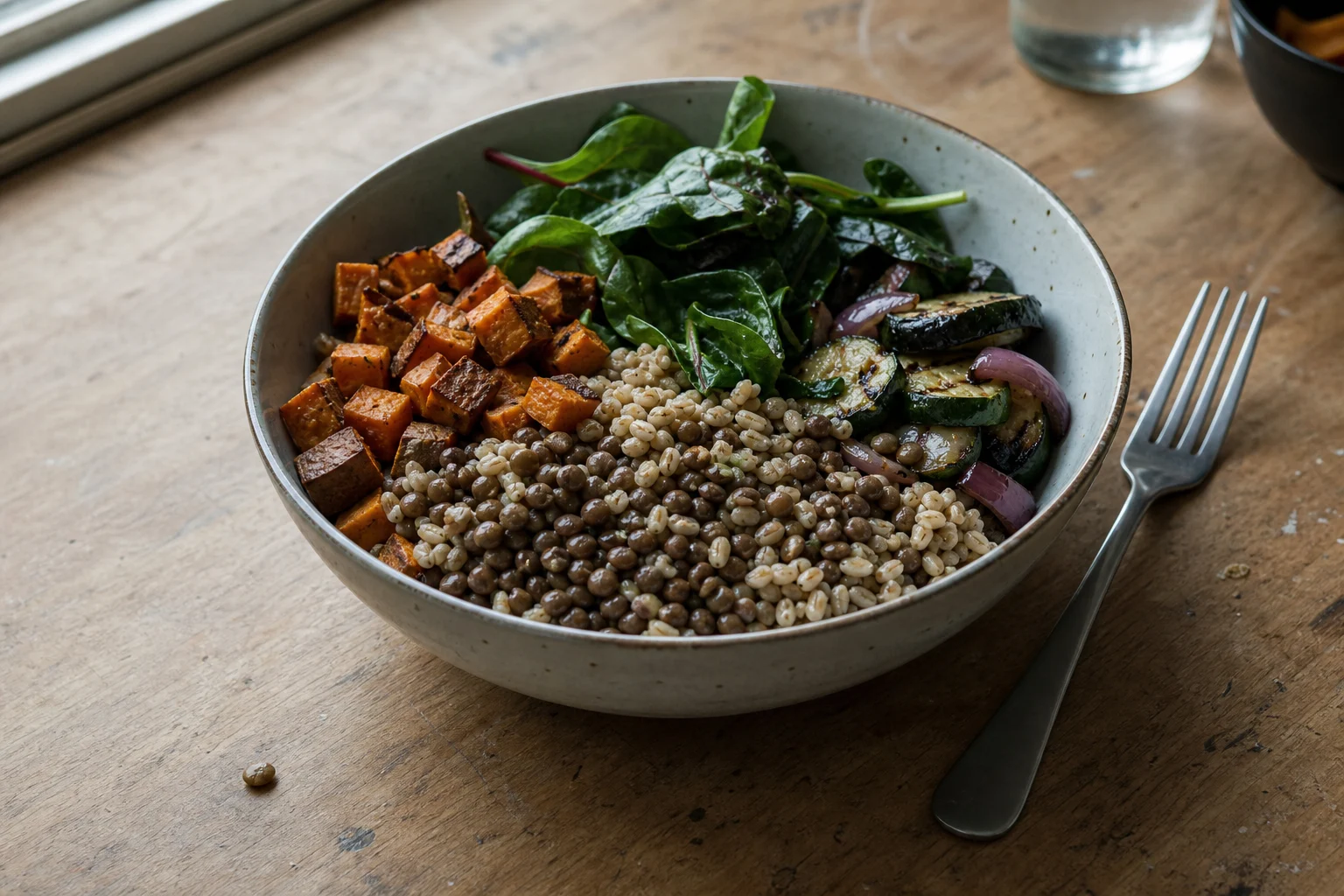
High-fiber foods usually require more chewing and move through digestion differently from low-fiber refined foods. Cooked potatoes, fruit, oats, and legumes also contain substantial water. That combination can produce a larger portion on the plate for a similar calorie allowance.
Consider a practical comparison: a plain 250-calorie serving of boiled or baked potatoes can occupy much more plate space than a small serving of fries carrying a similar base-food calorie total. The fries become more energy-dense because frying adds fat and removes water. The issue is not that potatoes have stopped being healthy; it is that preparation has changed the calorie calculation.
The MedlinePlus carbohydrate overview describes fiber as a carbohydrate that is not fully digested and notes its value in food quality and fullness. Fiber is helpful, but increasing it suddenly can create a different problem: bloating, gas, cramping, or constipation if fluid intake and tolerance do not keep pace.
- More chewing: Whole fruit and intact grains take longer to eat.
- More water: Cooked grains, potatoes, soups, and fruit add physical volume.
- Slower eating: Legumes and whole foods often take longer to finish than soft snacks.
- Better portion visibility: A whole potato or apple is easier to recognize than oil hidden in fried food.
The protein pairing that prevents a carb-only crash
Carbohydrates are not automatically filling when eaten alone. A large bowl of plain cereal, a pastry, or toast with jam may provide energy but leave a person searching for another snack soon afterward. Protein supports muscle retention during a calorie deficit and often makes a meal more satisfying.
Use a simple starting rule: pair a palm-sized protein serving with a cupped-hand or fist-sized carbohydrate serving. Adjust the portion according to body size, activity, hunger, calorie needs, and the rest of the day’s food.
- Oats: Add Greek yogurt, cottage cheese, milk, or a measured protein food.
- Potatoes: Add eggs, chicken, tofu, fish, beans, or low-fat dairy.
- Rice: Serve with lean protein and several portions of vegetables.
- Fruit: Pair with yogurt, cottage cheese, or a measured portion of nuts.
- Lentils: Add eggs, tofu, fish, or another protein if the meal requires more.
This rule also protects against a common interpretation of “healthy carbs”: building meals that are technically nutritious but too low in protein to control appetite. Lentils and beans help because they supply both fiber and protein, yet a lentil salad may still need tofu, eggs, fish, dairy, or another protein source to suit a higher-protein fat-loss plan.
TEF, digestion, and why “burning fat” is the wrong phrase
The thermic effect of food, or TEF, is the energy used to digest, absorb, and process food. Protein generally has a higher thermic effect than carbohydrate or fat. That does not make protein a free food, and it does not make one carbohydrate a fat-burning food.
Carbohydrate restriction can temporarily increase the proportion of energy coming from fat oxidation. That is different from losing more stored body fat over weeks or months. The energy-balance principle is straightforward: stored body fat decreases when cumulative energy expenditure exceeds cumulative energy intake over time.
Mixed meals, total protein, physical activity, sleep, appetite, and adherence affect the result. A person may oxidize more fat during a low-carbohydrate period while losing no more body fat if total energy intake is maintained or increased. No oat, potato, sweet potato, or bean has a special ability to remove belly fat.
Whole grains and fiber-rich foods are often associated with better weight outcomes in observational research. That association does not prove that an isolated whole-grain food causes meaningful weight loss. A systematic review on carbohydrate quality and human health supports stronger conclusions for overall fiber and carbohydrate quality than for using glycemic index or glycemic load as stand-alone weight-loss scores.
Fermentation, fullness, and the fiber adjustment period
Beans, lentils, oats, barley, and some fruits contain fermentable fibers. Gut bacteria ferment part of this material into short-chain fatty acids, including acetate, propionate, and butyrate. This is a plausible pathway for changes in gut function and appetite signaling, not a guaranteed fat-loss mechanism.
Some people tolerate a large serving of lentils immediately; others need several weeks of gradual exposure. A sudden jump from very little fiber to beans at two meals, bran cereal, large oat bowls, and several servings of fruit can produce gas or cramps.
- Increase legumes by small portions rather than adding several cups at once.
- Spread high-fiber foods across meals.
- Drink adequate fluids unless a clinician has given different instructions.
- Choose canned beans, rinse them, and begin with a smaller serving if needed.
People with irritable bowel syndrome, diagnosed digestive disorders, or known FODMAP sensitivity may need individualized choices and portions. Celiac disease requires avoiding gluten-containing grains such as barley and ordinary oats unless the product is specifically suitable for that condition. Diabetes medication use, kidney disease, and a history of eating-disorder symptoms also warrant individualized nutrition guidance rather than a generic high-fiber or low-carbohydrate plan.
The Tracking Mistakes That Make Healthy Carbs Look “Fattening”
Dry oats, cooked oats, and the water-weight trap
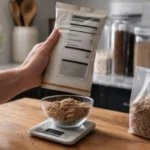
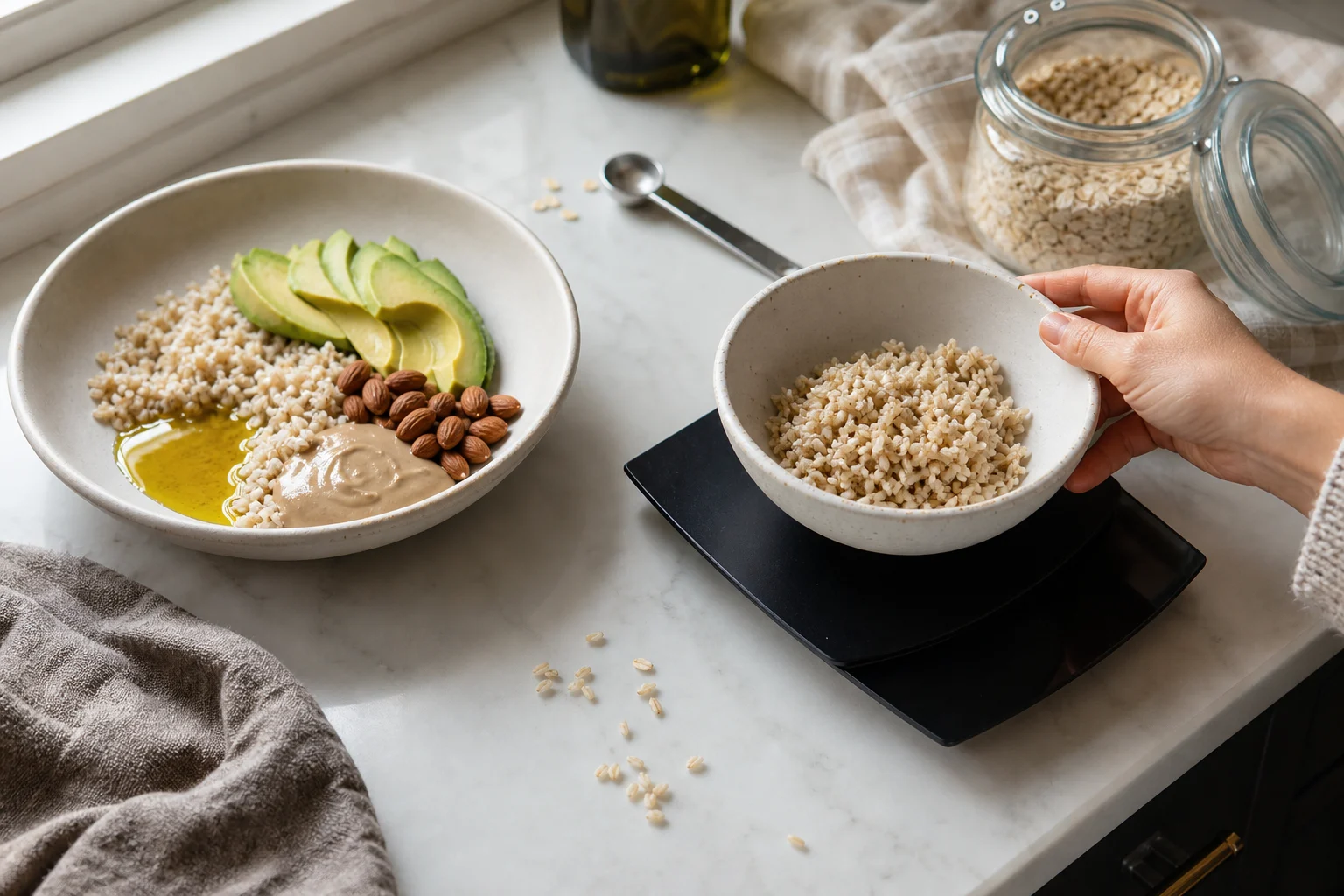
Dry and cooked foods are different database entries. Water increases the weight of cooked oats, rice, pasta, and beans without adding calories. Baking can do the opposite by removing water and concentrating calories by weight.
For example, 60 grams of dry oats may become roughly 150–180 grams cooked, depending on the amount of liquid and cooking time. Logging 180 grams of dry oats when the actual portion was 180 grams cooked can dramatically overstate the meal. The reverse error occurs when someone weighs cooked rice but logs the much smaller dry-weight entry.
The hardest adjustment is usually weighing foods consistently in the same state during the first week, especially batch-cooked rice, beans, or mixed dishes. The reliable method is to weigh the complete cooked batch, record the full recipe, then weigh the portion served and divide according to the batch weight.
A raw-versus-cooked visual would show dry oats absorbing water, dry rice absorbing water, raw potatoes losing water during baking, and cooked grains changing weight without a matching change in total calories. The visual matters because a 100-gram weight is not nutritionally interchangeable across those states.
Oil, sauces, and “healthy” toppings
One tablespoon of oil contributes roughly 120 calories before the potato, grain, or vegetables are counted. A free-poured stream can easily exceed that amount. Measuring oil for one week often reveals why a plate of vegetables and potatoes is much higher in calories than the ingredients appear to suggest.
- Granola: Log the full mixture, not plain oats.
- Nut butter: Weigh it instead of estimating a rounded spoonful.
- Coconut milk: Distinguish canned full-fat products from lighter beverages.
- Cheese and butter: Count them separately from the potato or grain.
- Sauces: Include sweeteners, oil, cream, and thickening ingredients.
- Popcorn: Track kernels, oil, butter, and coatings separately.
Roasted potatoes and stovetop popcorn deserve special attention because the cooking fat can contribute more calories than the carbohydrate base. Calling the finished dish “healthy” does not make the oil invisible.
Timing carbs around hunger and training
Carbohydrates can be placed before or after training if that improves energy, performance, or adherence. There is no requirement to avoid carbohydrates at night for fat loss. Total daily calories, protein, and the ability to maintain the plan matter more than a rigid carbohydrate curfew.
A person who becomes very hungry at 9 p.m. may do better by moving part of the day’s potato, oats, rice, or fruit serving later. A planned bowl of oats with yogurt or a potato with a protein filling is easier to account for than an unplanned series of snacks after attempting to ban evening carbohydrates.
For training, oats, potatoes, rice, and fruit can provide accessible carbohydrate. The best choice depends on timing and digestion. A large bean bowl immediately before intense exercise may be uncomfortable for someone who is sensitive to fermentable fiber, while a smaller serving of rice or fruit may be easier.
The cheapest staples are often the most useful
Oats, potatoes, dried beans, lentils, brown rice, and popcorn are generally practical staples because they store well and can form the base of many meals. Frozen berries and canned beans can save preparation time. Choose lower-sodium canned beans or rinse them when appropriate, recognizing that rinsing does not remove every milligram of sodium.
Quinoa and packaged high-protein grain products may cost more without creating a guaranteed fat-loss advantage. Quinoa can be useful for taste, variety, or its higher protein contribution compared with many rice varieties, but rice may be the better choice for cost, availability, or training fuel. The most effective staple is usually the one you can cook, portion, and repeat.
A five-row tracking tool
| Common mistake | Better tracking fix |
|---|---|
| Cooked rice logged dry | Match database state |
| Free-poured oil | Measure teaspoons |
| Granola called oats | Log full recipe |
| Carbs without protein | Add palm-sized protein |
| Fiber doubled overnight | Increase gradually |
A four-week tracking example
Imagine a person who begins a calorie deficit and logs a 300-gram cooked potato as 300 grams of raw potato. They also estimate the roasting oil rather than measuring it. During week one, the daily log appears accurate, but the actual meal contains more calories than recorded.
In week two, they standardize the entries: the potato is weighed after cooking, the oil is measured, and the full batch recipe is recorded. In week three, they change a low-protein oat breakfast to oats with Greek yogurt, berries, and a measured topping.
By week four, their reported late-afternoon hunger rating has fallen from approximately 8 out of 10 to 5 out of 10 while they maintain the intended calorie deficit. This example illustrates improved tracking and meal structure, not a guaranteed result and not proof that potatoes or oats burn fat.
The concrete method is simple: record the total cooked batch weight, enter every ingredient in the full recipe, weigh the serving, and calculate the serving as a proportion of the batch. This is especially useful for rice, beans, lentil soups, chili, and casseroles.
A three-step carb self-check
- Identify the food state: Is the portion weighed raw, cooked, drained, or ready to eat?
- Find the protein: Does the meal contain a clear palm-sized protein serving?
- Check the return on calories: Does the food provide useful fiber, water, chewing, or volume?
A general fiber reference point is approximately 14 grams per 1,000 calories. It is a benchmark, not a universal prescription. A person eating 2,000 calories might use roughly 28 grams as a starting reference, then adjust for tolerance, medical needs, and the rest of the diet.
There is no universal carbohydrate target for a calorie deficit. Body size, training volume, medical conditions, medication, food preferences, total calorie intake, and protein needs all affect the appropriate amount. A useful practical check is whether the chosen carbohydrate portion supports energy and satisfaction without displacing protein or pushing the daily calorie target beyond its intended range.
Questions People Ask About Healthy Carbs for Fat Loss
Which healthy carbs keep you full the longest?
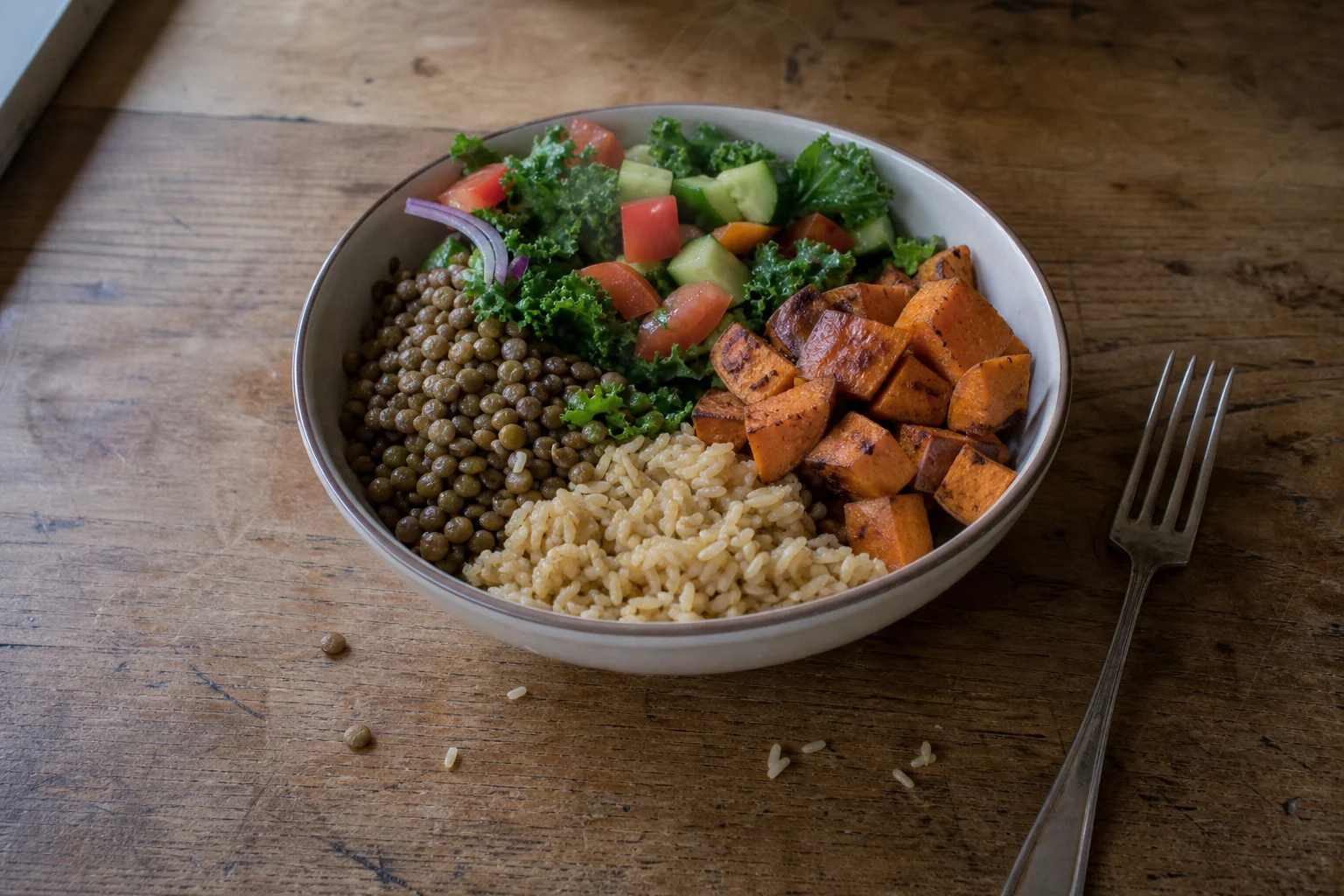
Potatoes, beans, lentils, oats, and barley are strong options because they combine water, fiber, chewing, or some protein. Potatoes are especially useful when prepared without much oil, while legumes tend to provide more fiber and protein per serving.
Pair any of them with protein and vegetables. Satiety varies with portion size, meal speed, preparation, sleep, activity, and individual digestion, so the food that works best is the one that controls hunger without creating digestive problems.
Are oats better for fat loss than cereal or toast?
Plain oats often make fiber and portion control easier than sugary cereal, but they are not automatically superior to every cereal or slice of toast. Whole-grain toast can fit well when paired with eggs, cottage cheese, yogurt, or another protein.
Compare the complete meal, including toppings. Weigh oats dry or select a correctly labeled cooked entry. A large bowl of oats with generous nut butter and granola can contain more calories than a measured serving of whole-grain cereal with yogurt.
Can sweet potatoes help with weight loss, or are they too high in carbs?
Sweet potatoes can fit comfortably into a calorie deficit. They provide carbohydrate, fiber, water, and useful volume, but they are not automatically better than regular potatoes for fat loss.
Preparation and portion size matter more than color. Baking a sweet potato with a measured amount of oil is different from turning it into fries with a sugary sauce. Neither sweet potatoes nor regular potatoes specifically target belly fat.
Are beans and lentils high-protein carbs for weight loss?
Yes. Beans and lentils provide more protein and fiber than most grains or fruit, making them useful carbohydrate choices for a fat-loss diet. They are still not equivalent to meat, fish, dairy, eggs, or tofu as a concentrated protein source by calorie or serving.
If a meal needs more protein, combine legumes with tofu, eggs, dairy, fish, poultry, or another suitable food. Increase portions gradually if you are not accustomed to legumes, particularly with IBS or FODMAP sensitivity.
Is quinoa meaningfully better than rice for fat loss?
Quinoa provides more protein than many rice varieties, but the calorie difference is not dramatic. Rice may be the better choice for cost, availability, taste, or training fuel, while quinoa can add variety and a somewhat stronger protein contribution.
Portion size, cooking method, meal protein, and total daily calories matter more than choosing quinoa by default. Both can fit a best-carb-for-fat-loss diet when the serving is measured and the meal is balanced.
This content is based on nutritional physiology and energy metabolism research. It is for informational purposes only and does not constitute medical advice. Consult a qualified healthcare professional before making significant alterations to your caloric or macronutrient intake.