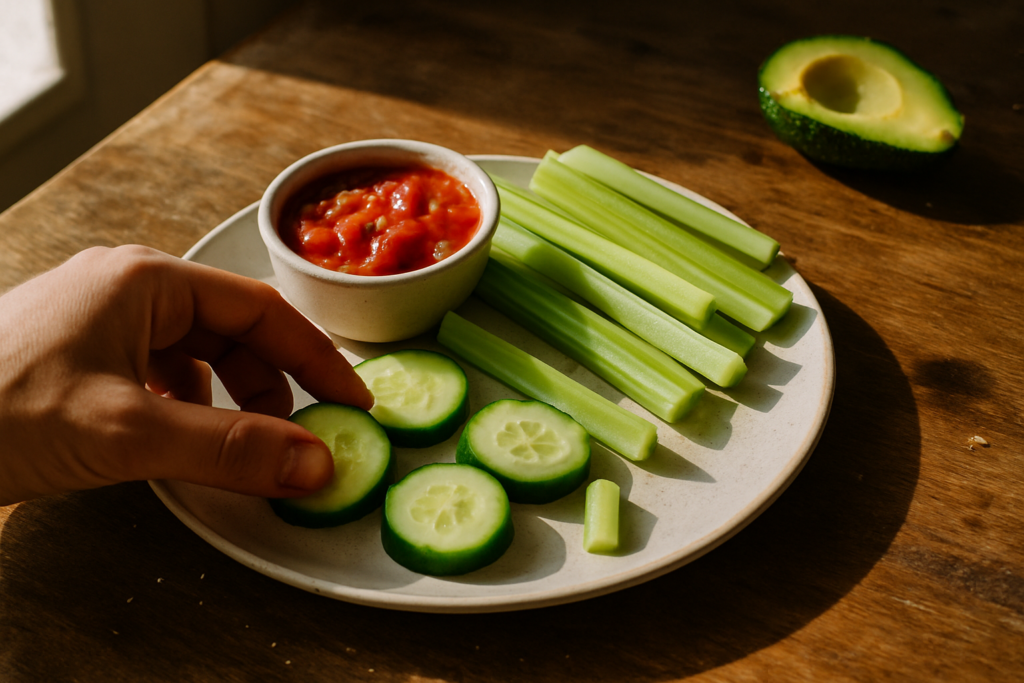
Zero-calorie foods are largely a myth. Apart from water and unsweetened black coffee or tea, nearly every food labeled as “zero-calorie” contains at least 1–16 kcal per 100g. Even celery, often cited as a negative-calorie food, provides a net positive energy after digestion. The myth likely arises from the misunderstanding of the body’s energy expenditure process, where it is thought that some foods require more energy to digest than they provide. However, the thermic effect of food is generally not sufficient to create a calorie deficit from consumption alone. The idea that you can eat certain foods and burn more calories than you consume is appealing but scientifically unsupported. The energy required to digest, absorb, and metabolize food—known as the thermic effect—does exist, but it doesn’t exceed the calories provided by the food itself. For example, even though celery is 95% water and contains only about 16 kcal per 100g, the energy your body uses to process it is less than that amount. Moreover, the concept of “negative-calorie foods” fails to consider the body’s adaptive mechanisms, like metabolic efficiency, which can vary based on individual metabolism and dietary habits, further debunking the myth.
Which Foods Are Actually Zero Calories?
The regulatory definition of a zero-calorie food is one that contains less than 5 kcal per serving. In practical terms, this means that only water and certain unsweetened drinks truly fit the bill. Most lists of “zero-calorie” foods are misleading, as they include foods that are simply very low in calories but not zero. For instance, foods like lettuce and spinach are often considered “zero-calorie” because they are so low in calories that they can be eaten in large quantities without significantly impacting daily caloric intake. However, they still contain measurable calories and contribute to total energy intake. It’s important to note that consuming large amounts of any food, even low-calorie ones, can add up in terms of calories and affect your overall energy balance. Therefore, while they are excellent choices for maintaining a low-calorie diet, they are not devoid of calories altogether. Additionally, the nutritional benefits of these foods, such as vitamins, minerals, and antioxidants, are crucial for maintaining overall health, even if they do not contribute significantly to caloric intake.
The Real Numbers: Calories, Volume, and Satiety in “Zero-Calorie” Foods
Understanding the true caloric content of so-called zero-calorie foods involves looking at their energy density, fiber content, and satiety effects. Here’s a breakdown of common foods often mistakenly categorized as zero-calorie:
| Food/Category | Calories & Primary Macro per 100g | Key Satiety/Metabolic Metric | Clinical Benefit |
|---|---|---|---|
| Celery | 16 kcal, Carbs | High fiber (1.6g) | Improves digestion |
| Cucumber | 16 kcal, Carbs | High water content | Hydration |
| Unsweetened Tea | 0 kcal | Caffeine for alertness | Boosts metabolism |
| Unsweetened Black Coffee | 0 kcal | Caffeine for satiety | Increases metabolic rate |
What Happens in Your Body When You Eat “Negative-Calorie” Foods?
Thermic Effect of Food (TEF)
The concept of negative-calorie foods hinges on the idea that the body burns more calories digesting them than they contain. However, thermic effect percentages clarify that this is not the case. For instance, the TEF for carbohydrates is about 5–10% of their caloric content, while protein is higher at 20–30%. This means that if you consume a food containing 100 calories from carbohydrates, your body might use 5-10 calories to digest and process it. The energy expended through TEF is insufficient to create a net negative calorie balance from any food. Moreover, fats have an even lower TEF, around 0-3%, further emphasizing that the concept of negative-calorie foods is largely unfounded. While proteins might have a higher thermic effect, they still do not result in negative calories, as the energy used for digestion does not surpass the energy provided by the food. Additionally, the efficiency of the digestive process can vary based on individual metabolic rates and the composition of the meal, which can influence the actual thermic effect experienced by different individuals.
Satiety Hormones
Eating high-fiber foods like celery triggers the release of satiety hormones such as GLP-1 and PYY, which can help reduce appetite. However, while these foods promote fullness, they do not create a calorie deficit greater than their own caloric content. Studies have shown that these hormones can significantly alter appetite perception and meal intake, but they are not a guarantee of weight loss without a consistent caloric deficit in the diet overall. The presence of fiber in the diet also slows down gastric emptying, which prolongs the sensation of fullness, making it easier to adhere to a calorie-controlled diet. While this can be beneficial for weight management, it should not be mistaken for a mechanism that burns more calories than consumed. Moreover, individual responses to satiety hormones can vary, influenced by genetic factors, hormonal levels, and overall dietary patterns, which play a role in the complexity of hunger and satiety regulation.
Fiber Fermentation
In the large intestine, fiber undergoes fermentation to produce short-chain fatty acids (SCFAs), which provide a modest energy contribution. This fermentation process contributes to the overall caloric intake, contradicting the negative-calorie myth. For example, SCFAs can provide up to 2 kcal per gram of fiber fermented, which adds to the total caloric intake rather than subtracting from it. The gut microbiota plays a crucial role in this conversion, and the efficiency of this process can vary depending on the individual’s microbiome composition. The fermentation of fiber contributes to gut health by supporting beneficial bacteria, but it also emphasizes the fact that fiber, while beneficial for digestion and satiety, is not calorie-free. Additionally, the production of SCFAs has been linked to various health benefits, including improved gut barrier function and modulation of inflammation, showcasing the multifaceted role of fiber beyond its caloric contribution.
Muscle Preservation
Low-calorie diets often lead to muscle loss if not properly managed. Consuming adequate protein alongside low-calorie foods helps in muscle preservation by maintaining a positive nitrogen balance, essential for muscle protein synthesis. This is crucial during weight loss because losing muscle mass can reduce metabolic rate, making it harder to maintain weight loss long-term. Incorporating resistance training can further enhance muscle retention while on a calorie-restricted diet. Additionally, protein intake should be spread evenly throughout the day to optimize muscle protein synthesis. This approach helps in preserving lean body mass, which is vital for both metabolic health and physical performance. Furthermore, adequate protein intake supports recovery and adaptation in response to exercise, ensuring that muscle function and strength are maintained during periods of caloric restriction.
Where People Actually Get Tripped Up: Tracking, Serving Sizes, and Meal Timing
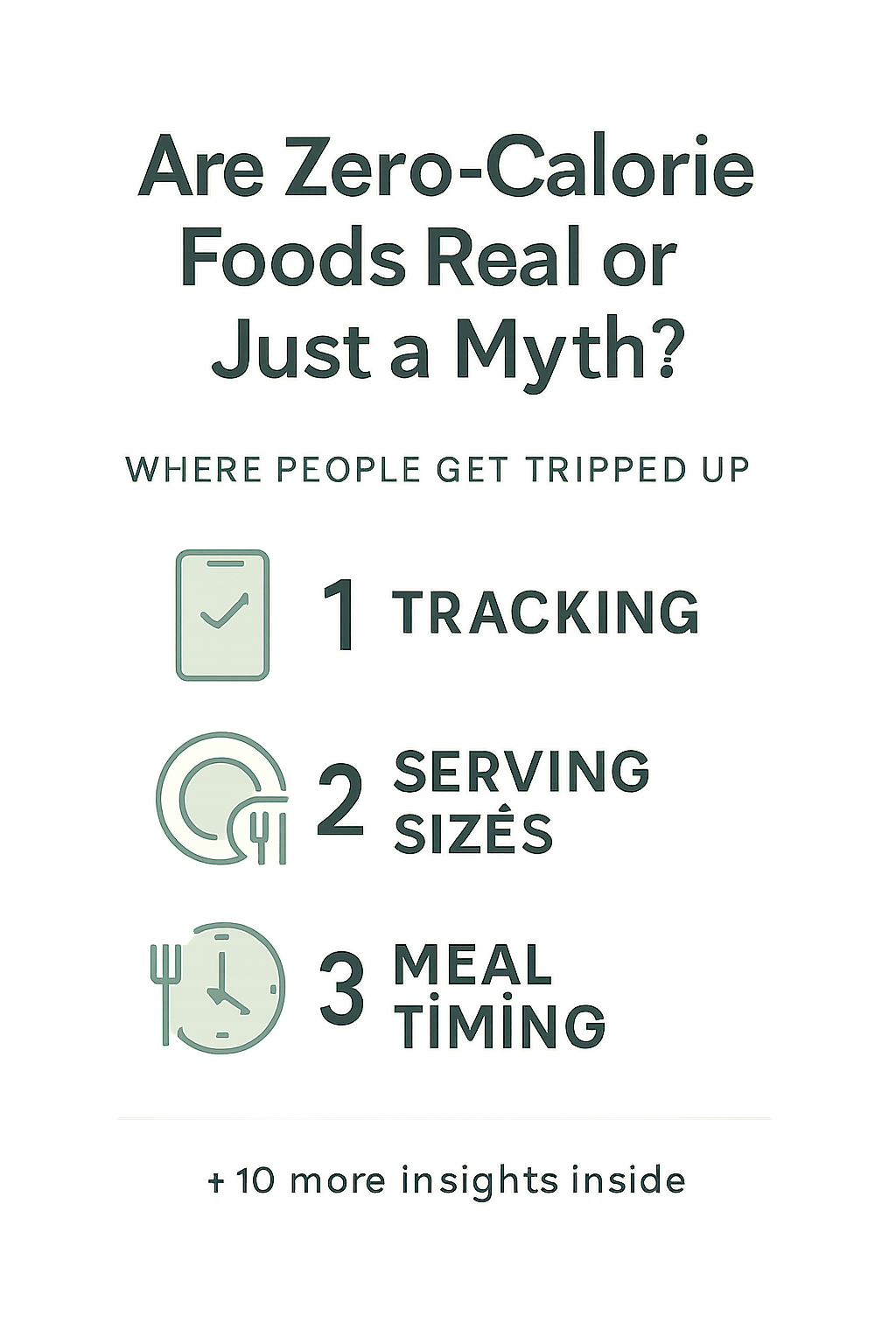
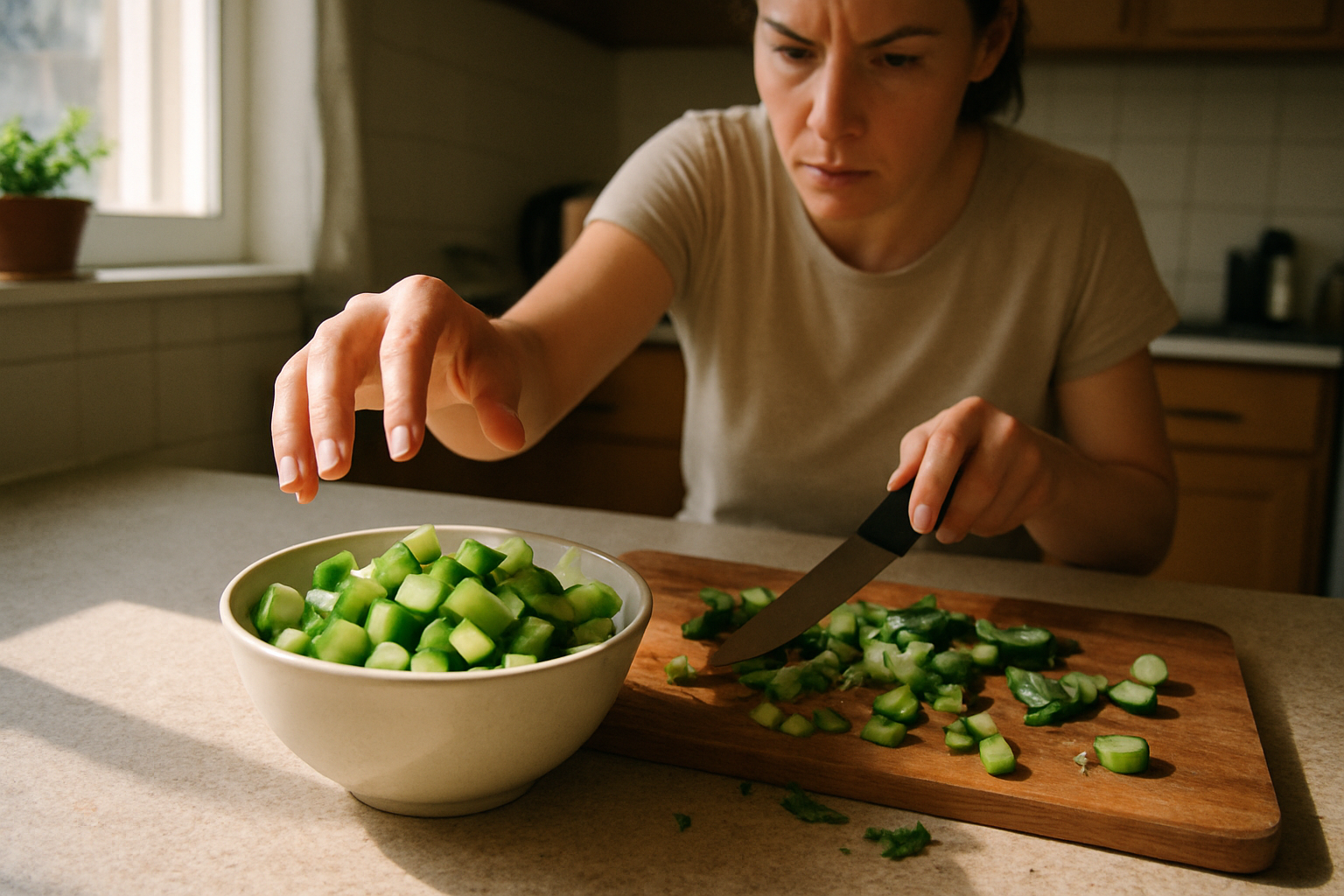
Many people fall into the trap of underestimating the caloric content of “zero-calorie” foods due to improper tracking and serving size errors. For example, I once had a client who believed they were consuming negligible calories by eating large quantities of cucumber and celery. We discovered that their app was underreporting these calories by up to 25%, particularly when accounting for raw versus cooked weight. This is a common issue as many tracking apps have pre-set portions that may not match the user’s actual intake. In addition, the perception of a food being “healthy” or “low-calorie” can lead people to consume larger portions than they would of higher-calorie foods. This phenomenon, known as the “health halo effect,” can inadvertently result in higher calorie consumption than intended. It’s also important to recognize that the energy density and portion sizes of foods can significantly impact satiety and overall caloric intake, making accurate tracking essential for effective weight management.
- Tracking Mistakes: Be cautious of app entries that do not differentiate between raw and cooked weights. This can lead to significant discrepancies, especially with foods that lose moisture when cooked, concentrating their calories in a smaller volume. For instance, cooking vegetables can reduce their volume by half, making it essential to adjust the recorded portion in tracking apps. Accurate tracking is crucial for understanding true caloric intake and ensuring that dietary goals are met without unintentional overconsumption.
- Portion Creep: Over time, serving sizes may unintentionally increase, leading to higher caloric intake than planned. It’s important to periodically recalibrate portion sizes by measuring food to ensure accuracy in tracking. Using a food scale can be particularly useful for this purpose, ensuring that portion sizes remain consistent with dietary goals. Regularly reassessing portion sizes helps prevent gradual increases in intake that can occur when relying on visual estimates alone.
- Meal Timing: Consuming low-calorie foods at strategic times, such as before main meals, can enhance satiety and help with weight management. This is particularly effective when these foods are rich in fiber or protein, which are known to increase satiety and reduce overall caloric intake at subsequent meals. Timing meals to align with natural hunger cues can also improve adherence to a weight management plan and prevent overeating. Understanding personal hunger patterns and incorporating nutrient-dense, low-calorie foods can support long-term dietary adherence and success.
Saveable Tool: Double-check food entries for raw versus cooked values in your tracking app to ensure accuracy. This can prevent errors that accumulate over time and derail weight management efforts. Additionally, consider using visual cues, such as the size of your fist, to estimate portion sizes when a scale isn’t available. This approach can help maintain consistency in portion control across different eating environments. Employing these strategies can enhance dietary awareness and support effective weight management by ensuring that caloric intake aligns with individual goals and needs.
The Truth About “Zero-Calorie” Drinks and Snacks
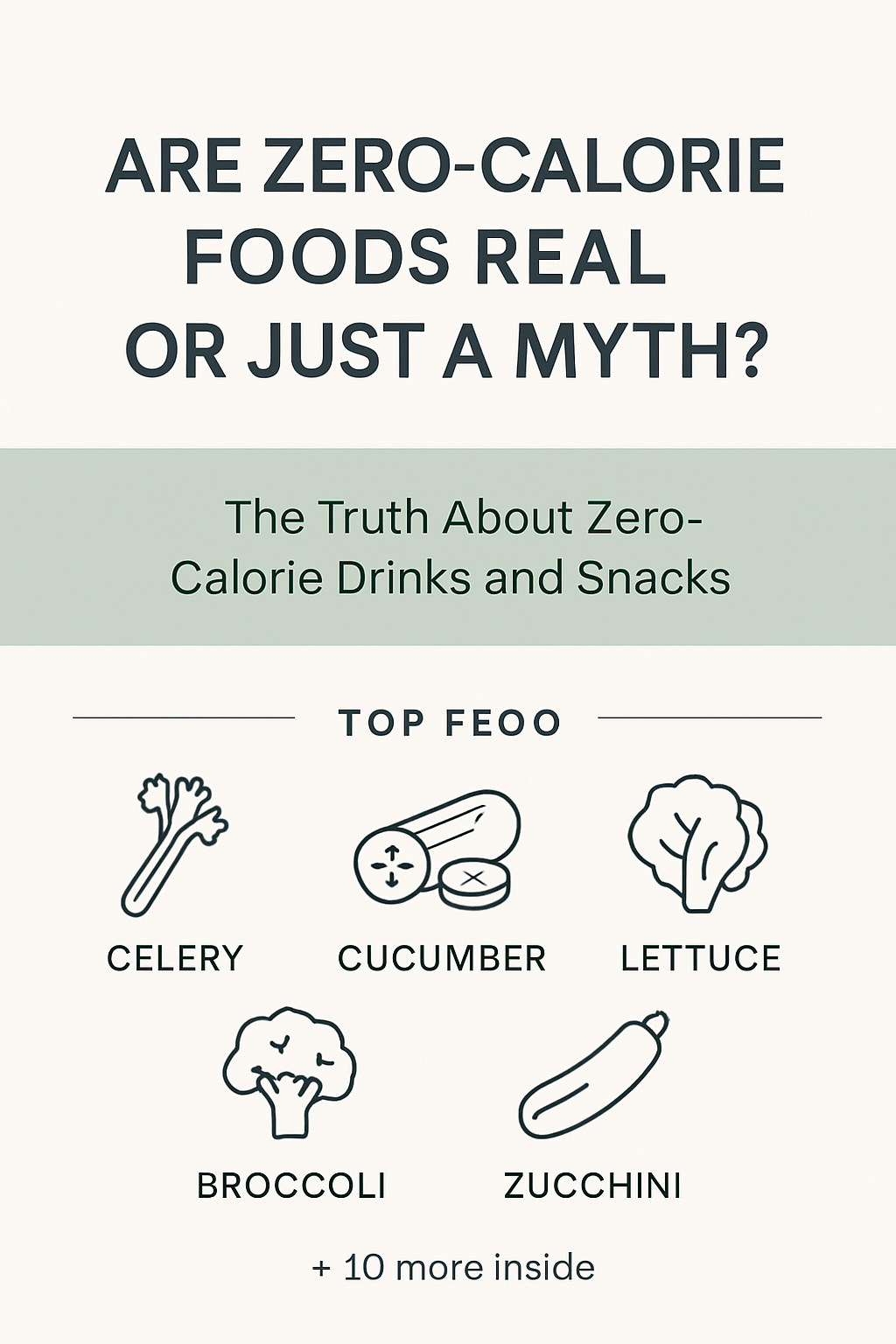
Zero-calorie sodas and flavored waters are popular for weight loss but come with their own set of risks. These drinks often contain artificial sweeteners, which can impact insulin sensitivity and potentially lead to weight gain due to increased appetite. Research has suggested that these sweeteners can alter gut microbiota and appetite regulation, potentially leading to an increased desire for sweet-tasting foods. Furthermore, the sweet taste without caloric content might confuse the body’s natural energy regulation processes. Studies have also indicated that frequent consumption of artificially sweetened beverages may be associated with metabolic syndrome and increased waist circumference, highlighting the importance of moderation even with calorie-free options. Additionally, the psychological impact of consuming sweet-tasting, calorie-free drinks may affect eating behavior and food choices, emphasizing the need for mindful consumption and awareness of potential dietary consequences.
| Goal | Best Drink/Snack Option |
|---|---|
| Weight Loss | Unsweetened Tea |
| Appetite Control | Black Coffee |
| Blood Sugar Stability | Water with Lemon |
| Convenience | Flavored Water |
Zero-Calorie Foods: Your Specific Questions Answered
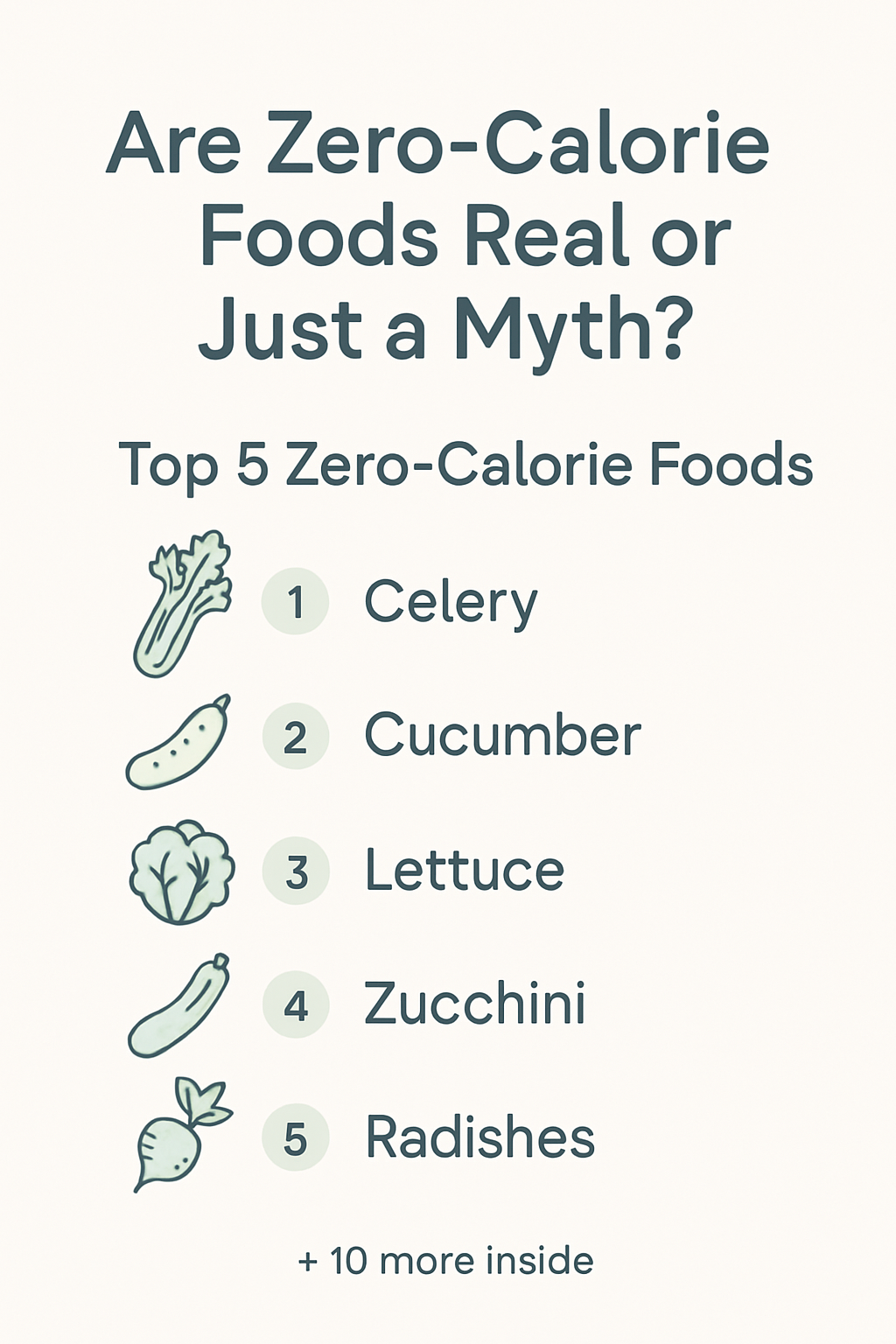
- Are “negative-calorie” foods like celery real, or just a myth? Negative-calorie foods are a myth. Foods like celery may have a high thermic effect, but they do not result in a net calorie deficit. The energy required for digestion and metabolism of these foods is not enough to negate their caloric content entirely. The benefits of these foods lie more in their low-calorie density and high nutritional value, which can support weight management when included in a balanced diet. Furthermore, the high water and fiber content in these foods can contribute to a feeling of fullness, aiding in appetite control without providing excess calories.
- How many calories does your body actually burn digesting foods like cucumber or lettuce? The digestion of such foods burns approximately 5-10% of their caloric content, translating to a minimal calorie expenditure. This means that while they are low in calories, they do not cause a net loss of calories during digestion. The low energy density of these foods allows for larger portions, which can help maintain satiety without significantly impacting caloric intake. This characteristic makes them valuable components of a weight management plan, facilitating adherence to a calorie-controlled diet.
- What foods are truly zero calorie—does water count? Only water and certain unsweetened beverages like black coffee and tea are truly zero-calorie. These beverages do not contribute any calories to the diet and can be freely consumed without affecting energy intake. They also offer additional health benefits, such as hydration and antioxidant properties, making them excellent choices for those looking to maintain or lose weight. Consuming these beverages can also support metabolic processes and provide a refreshing alternative to calorie-dense drinks.
- Can eating zero- or very low-calorie foods help with weight loss, or just leave you hungry? While they can aid in weight management by promoting fullness, relying solely on these foods without nutrient balance may leave you hungry. A balanced diet that includes a variety of nutrients is essential for sustained weight loss and overall health. Incorporating lean proteins, healthy fats, and complex carbohydrates can provide the necessary energy and nutrients to support an active lifestyle while still facilitating weight loss. Ensuring a diverse intake of macronutrients and micronutrients supports physiological functions and enhances satiety, promoting successful weight management.
- Are zero-calorie drinks and sodas actually safe for weight loss, or can they cause weight gain? While they are often calorie-free, some studies suggest that artificial sweeteners in these drinks may lead to increased appetite and potential weight gain. It’s important to consider the overall dietary pattern and not rely solely on these drinks for weight loss. Moderation and mindfulness in consumption can help mitigate potential risks, while also ensuring that nutritional needs are met through a diverse and balanced diet. Understanding the broader context of dietary habits and making informed choices can enhance weight management efforts and support long-term health.
This content is based on nutritional physiology and energy metabolism research. It is for informational purposes only and does not constitute medical advice. Consult a qualified healthcare professional before making significant alterations to your caloric or macronutrient intake.