
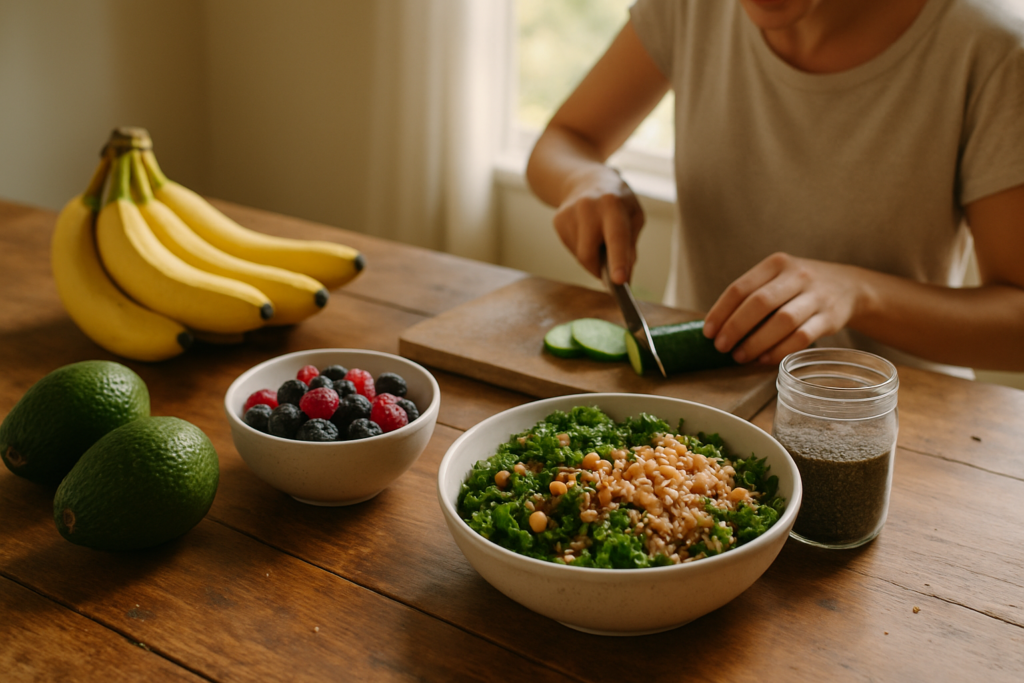
The Top 15 Everyday High-Fiber Foods for Gut Health
1. Black Beans
Black beans are a staple in many cuisines and provide 8.5 grams of fiber per ½ cup. They are relatively inexpensive and widely available, making them a practical choice for daily meals. Incorporate them into salads, soups, or as a side dish to boost your fiber intake effortlessly. Black beans are also rich in protein and essential nutrients like folate, magnesium, and iron, which contribute to their robust nutritional profile. Their high fiber and protein content make them an excellent choice for vegetarians and vegans looking to meet their nutritional needs. Additionally, black beans contain antioxidants which help in reducing inflammation and promoting overall health.
2. Chia Seeds
Chia seeds offer a whopping 10 grams of fiber per 2 tablespoons. They’re versatile and can be added to smoothies, yogurts, or overnight oats. While slightly pricier, a small amount goes a long way in meeting your fiber needs. These tiny seeds are not only packed with fiber but are also a great source of omega-3 fatty acids, which are essential for heart health. When soaked in liquid, chia seeds form a gel-like consistency, making them a popular ingredient in puddings and vegan baking recipes, adding texture and nutritional value. Moreover, their ability to absorb up to 12 times their weight in liquid makes them useful for hydration and fullness, beneficial for those monitoring caloric intake.
3. Raspberries
With 8 grams of fiber per cup, raspberries are a delicious and refreshing way to enhance your fiber intake. Add them to breakfast cereals, desserts, or eat them alone as a snack. Raspberries are also high in vitamins C and K, as well as antioxidants that help fight oxidative stress and inflammation. Their natural sweetness makes them an appealing option for those looking to reduce their sugar intake while still enjoying flavorful foods. Additionally, their high water content aids in hydration and can help with maintaining healthy skin by protecting it against damage from the environment.
4. Lentils
Lentils provide 8 grams of fiber per ½ cup cooked. They are affordable and can be used in a variety of dishes, from soups to stews and salads. Lentils are an excellent source of plant-based protein, making them a staple in vegetarian diets. They come in several varieties, including green, red, and black, each offering slightly different textures and flavors, allowing for diverse culinary applications. Their high fiber and protein content make them particularly satisfying, contributing to prolonged feelings of fullness. Lentils also have a low glycemic index, which makes them ideal for blood sugar control, important for those managing diabetes.
5. Split Peas
Split peas contain 8 grams of fiber per ½ cup cooked. They’re a cost-effective addition to your diet, often used in hearty soups and stews. Split peas are also rich in protein and essential nutrients such as iron and potassium, which support cardiovascular health. Their rich, earthy flavor and creamy texture make them a comforting and nutritious choice for winter meals, providing warmth and sustenance. Additionally, the high fiber content aids in digestion by promoting the growth of beneficial gut bacteria, thereby improving overall gut health.
6. Pinto Beans
Pinto beans, with 7.5 grams of fiber per ½ cup, are another budget-friendly option. They’re great in burritos, chili, and as a protein-rich side dish. In addition to fiber, pinto beans are high in folate, copper, and manganese, which are essential for maintaining energy levels and supporting metabolic processes. Their creamy texture and mild flavor make them highly versatile and easy to incorporate into a wide range of dishes. Pinto beans also help in lowering blood pressure due to their potassium content, which can counterbalance sodium’s effects in the body.
7. Oats
Oats deliver 5.5 grams of fiber per cup cooked and are a classic breakfast choice. They’re available everywhere and can be prepared quickly, making them a morning staple. Oats contain a specific type of soluble fiber called beta-glucan, which has been shown to reduce LDL cholesterol levels and improve heart health. Whether enjoyed as oatmeal, overnight oats, or added to baked goods, they provide a nutritious, energy-boosting start to the day. Furthermore, oats have been associated with improved insulin sensitivity, which can be beneficial for those at risk of type 2 diabetes.
8. Almonds
Almonds provide 3.5 grams of fiber per ¼ cup. While slightly more expensive, they make an excellent snack or addition to salads and baked goods. Almonds are also rich in vitamin E, magnesium, and healthy fats, contributing to improved heart health and cognitive function. Their crunchy texture and nutty flavor make them a popular choice for snacking and as an ingredient in a variety of culinary applications, from almond butter to almond milk. Additionally, regular consumption of almonds has been linked to improved lipid profiles, which is crucial for cardiovascular health.
9. Brussels Sprouts
Brussels sprouts offer 4 grams of fiber per cup. They’re readily available, especially in winter months, and can be roasted or steamed for a nutritious side dish. Brussels sprouts are part of the cruciferous vegetable family, known for their high glucosinolate content, which has been linked to cancer prevention. When cooked properly, they develop a pleasant sweetness and nutty flavor, making them a delicious addition to any meal. Moreover, they are an excellent source of vitamin K, which is vital for bone health and helps in blood clotting processes.
10. Avocado
Avocados contain 7 grams of fiber per half fruit. They are more costly, but their creamy texture and healthy fats make them a valuable addition to salads and sandwiches. Avocados are also rich in potassium, which helps regulate blood pressure, and monounsaturated fats, which are beneficial for heart health. Their versatility allows them to be used in both savory and sweet dishes, offering a unique creamy texture and a rich, buttery flavor. Additionally, avocados are known to enhance the absorption of fat-soluble vitamins from other foods, boosting their nutritional impact.
11. Quinoa
Quinoa provides 5 grams of fiber per cup cooked. It’s a bit more expensive than rice but offers more nutrients and can be used in various dishes, from salads to main courses. Quinoa is considered a complete protein, containing all nine essential amino acids, which is rare for plant-based foods. Its nutty flavor and fluffy texture make it a popular choice for those looking to diversify their grain intake while reaping its nutritional benefits. Additionally, quinoa is high in antioxidants, which help protect the body from free radicals and oxidative stress.
12. Sweet Potatoes
Sweet potatoes, with 4 grams of fiber per medium potato, are affordable and versatile. They can be baked, mashed, or roasted. Sweet potatoes are rich in beta-carotene, a precursor to vitamin A, which is crucial for eye health and immune function. Their natural sweetness and vibrant color make them a visually appealing and nutritious choice for a wide range of dishes, from savory to sweet. Additionally, sweet potatoes contain compounds that have anti-inflammatory properties, which can be beneficial for overall health.
13. Broccoli
Broccoli contains 5 grams of fiber per cup cooked. It’s accessible year-round and can be steamed, roasted, or added to stir-fries. Broccoli is also high in vitamins C and K, as well as sulforaphane, a compound with potential cancer-fighting properties. Its crunchy texture and mild flavor make it a versatile vegetable that can be enjoyed in various culinary preparations, contributing to a balanced diet. Moreover, broccoli has been shown to support the body’s detoxification processes, aiding in the elimination of harmful compounds.
14. Pears
Pears offer 6 grams of fiber per medium fruit. They’re easy to find and make a sweet, juicy snack or addition to salads. Pears are also rich in vitamin C and copper, which support immune health and collagen production. Their juicy texture and subtle sweetness make them a refreshing and hydrating choice, whether eaten on their own or incorporated into desserts and salads. Additionally, the fiber in pears can help slow the absorption of sugars, providing a more stable energy release and reducing the risk of blood sugar spikes.
15. Whole Wheat Bread
Whole wheat bread provides 2 grams of fiber per slice. It’s a convenient way to increase fiber intake during meals, though it’s important to choose bread with whole grain as the first ingredient. Whole wheat bread is also higher in vitamins and minerals compared to white bread, offering nutrients like B vitamins, iron, and magnesium. Its hearty texture and nutty flavor make it a satisfying base for sandwiches and toast. Additionally, the complex carbohydrates in whole wheat bread provide sustained energy, making it a smart choice for active individuals.
High-Fiber Foods: Calories, Fiber, and Gut Benefits at a Glance
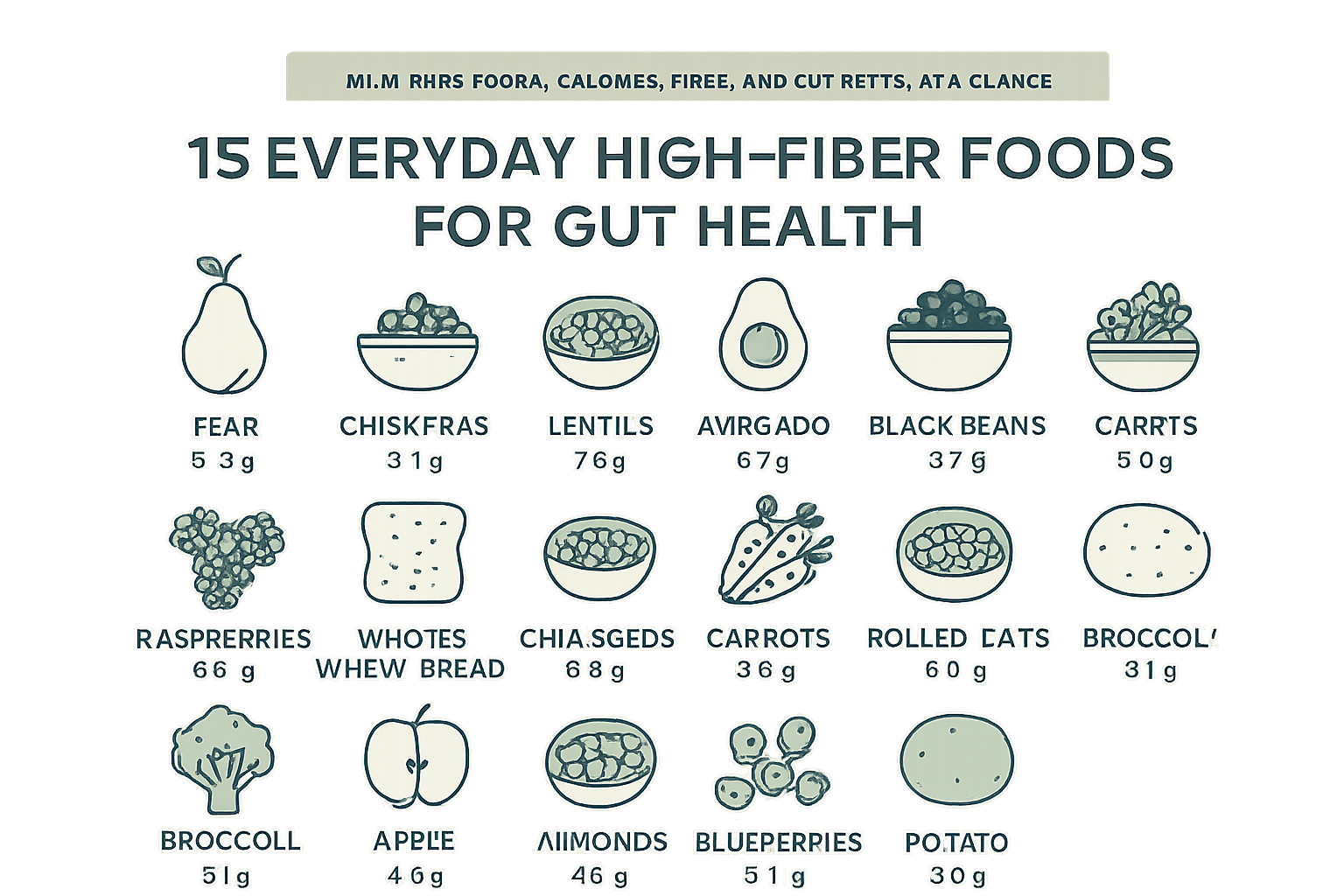
Understanding the calorie and fiber content of these foods helps in effective meal planning. Fiber plays a crucial role in gut health by promoting healthy bowel movements and feeding beneficial gut bacteria. Regular fiber intake is associated with a lower risk of developing chronic diseases such as heart disease, type 2 diabetes, and certain types of cancer. Additionally, fiber contributes to satiety, which can aid in weight management by reducing overall calorie intake.
| Food/Category | Calories & Primary Macro per 100g | Key Satiety/Metabolic Metric | Clinical Benefit |
|---|---|---|---|
| Black Beans | 132 kcal, 8g protein | 8.5g fiber per ½ cup | Improves digestion, reduces cholesterol |
| Chia Seeds | 486 kcal, 16g protein | 10g fiber per 2 tbsp | Enhances satiety, supports weight management |
| Raspberries | 52 kcal, 1g protein | 8g fiber per cup | Antioxidants, supports gut microbiome |
| Lentils | 116 kcal, 9g protein | 8g fiber per ½ cup cooked | Supports heart health, manages blood sugar |
| Split Peas | 116 kcal, 8g protein | 8g fiber per ½ cup cooked | Reduces constipation, promotes satiety |
| Pinto Beans | 143 kcal, 9g protein | 7.5g fiber per ½ cup | Regulates blood sugar, reduces bloating |
| Oats | 71 kcal, 2.5g protein | 5.5g fiber per cup cooked | Lowers cholesterol, stabilizes energy levels |
| Almonds | 579 kcal, 21g protein | 3.5g fiber per ¼ cup | Rich in healthy fats, reduces hunger |
| Brussels Sprouts | 43 kcal, 3g protein | 4g fiber per cup | Detoxifies body, boosts immune system |
| Avocado | 160 kcal, 2g protein | 7g fiber per half fruit | Rich in monounsaturated fats, supports gut function |
| Quinoa | 120 kcal, 4g protein | 5g fiber per cup cooked | Complete protein, enhances satiety |
| Sweet Potatoes | 86 kcal, 2g protein | 4g fiber per medium potato | High in beta-carotene, supports gut health |
| Broccoli | 55 kcal, 4g protein | 5g fiber per cup cooked | Rich in Vitamin C, promotes digestion |
| Pears | 57 kcal, 0.4g protein | 6g fiber per medium fruit | Hydrating, improves bowel regularity |
| Whole Wheat Bread | 247 kcal, 13g protein | 2g fiber per slice | Supports heart health, provides energy |
Choosing foods based on specific dietary goals can further enhance their benefits for gut health and overall wellness. For instance, incorporating more fiber-rich foods can help with weight management by promoting satiety and reducing overall calorie intake. Additionally, high-fiber diets have been associated with a lower risk of developing chronic diseases such as heart disease, type 2 diabetes, and certain types of cancer.
| Goal | Top Food(s) |
|---|---|
| Constipation Relief | Split Peas, Black Beans |
| Gut Microbiome Support | Raspberries, Chia Seeds |
| Weight Loss | Chia Seeds, Lentils |
| Quick Breakfast | Oats, Whole Wheat Bread |
How Fiber Actually Improves Digestion and Your Microbiome
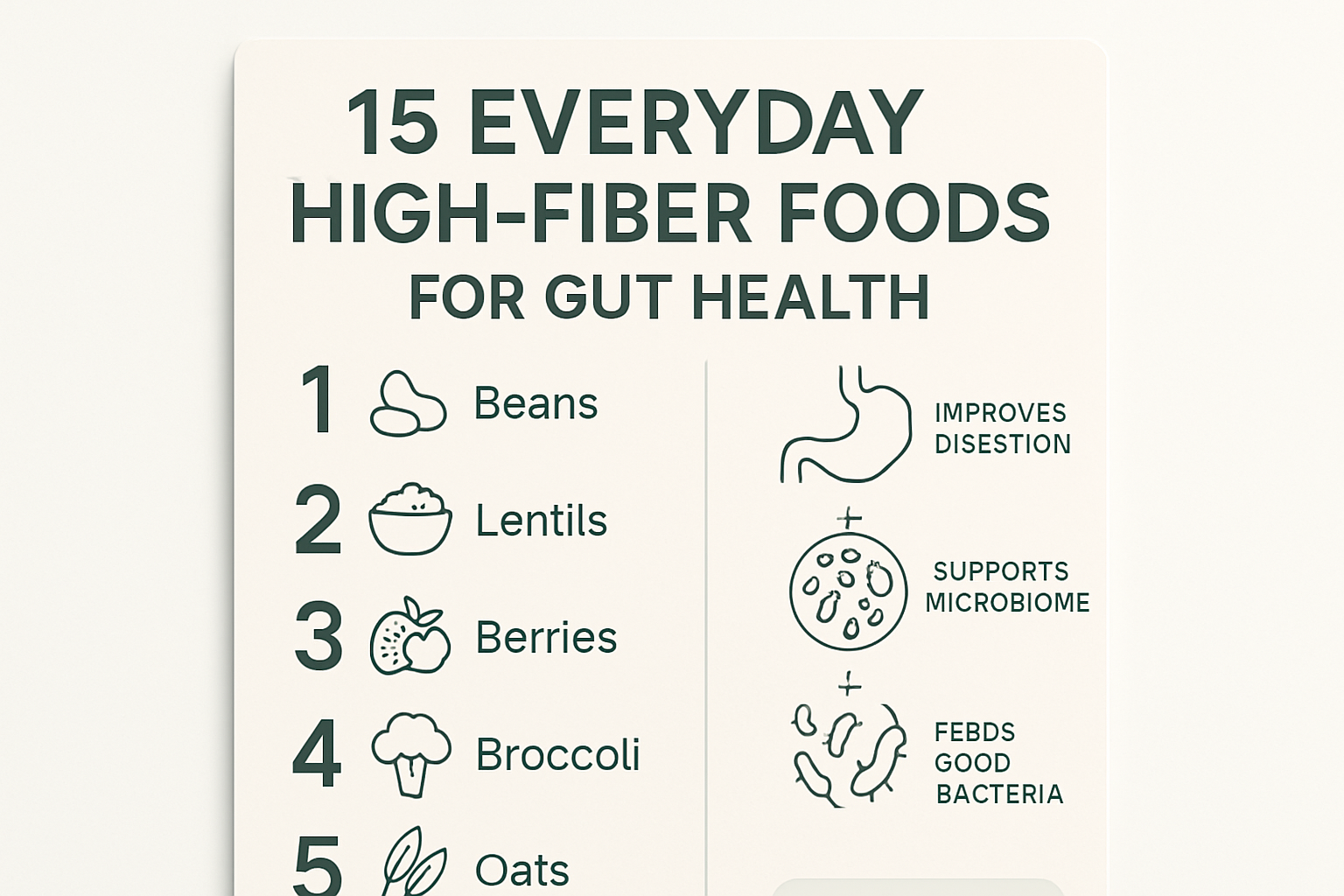
The physiological benefits of fiber are rooted in its ability to improve gut health and promote overall digestion through several key mechanisms:
- Soluble vs. Insoluble Fiber: Soluble fiber dissolves in water to form a gel-like substance, which slows digestion and helps to regulate blood sugar. Insoluble fiber adds bulk to stool and aids in faster passage through the intestines. This dual action helps to maintain regular bowel movements and prevent constipation.
- Fermentation to SCFAs: In the colon, soluble fiber is fermented by gut bacteria, producing short-chain fatty acids (SCFAs) that nourish colon cells and have anti-inflammatory properties. SCFAs play a critical role in maintaining the integrity of the gut barrier and supporting immune function.
- Satiety Hormones: Fiber intake stimulates the release of satiety hormones like GLP-1 and PYY, which can help control appetite and aid in weight management. These hormones signal to the brain that you are full, reducing the likelihood of overeating.
- Gut Motility: Insoluble fiber accelerates gut transit time, reducing constipation and promoting regular bowel movements. This can help alleviate symptoms of digestive disorders such as irritable bowel syndrome (IBS).
A client once noted that incorporating more fiber-rich foods like oats and beans not only improved her digestion but also kept her feeling full longer, reducing her snacking habits. This highlights the practical benefits of fiber in promoting satiety and supporting weight management goals.
Easy Ways to Add More Fiber (and Avoid Bloating or Mistakes)

Increasing fiber intake should be done gradually to minimize discomfort. Here are some practical tips to incorporate more fiber into your diet effectively:
- Track and Adjust Gradually: Increase fiber intake by just 5 grams every 2-3 days to allow your digestive system to adapt. This gradual approach helps prevent bloating and gas, which can occur if fiber intake is increased too rapidly.
- Pair with Hydration: Always drink plenty of water with high-fiber foods to help them move smoothly through your digestive tract. Adequate hydration is crucial for fiber to perform its function effectively and prevent constipation.
- Raw vs. Cooked Volume: Be mindful of the raw versus cooked volume of foods like spinach and broccoli to avoid miscalculating your fiber intake. Cooking can significantly reduce the volume of these foods, affecting the perceived fiber content.
- Budget-Friendly Choices: Opt for economical choices like lentils and beans, which are both fiber-rich and affordable. These foods provide excellent nutrition at a low cost, making them accessible to a wide range of budgets.
What People Really Want to Know About High-Fiber Foods and Gut Health
Which everyday foods have the most fiber per serving for digestion?
Chia seeds, black beans, and raspberries are among the highest in fiber per serving, making them excellent choices for improving digestion. These foods provide a diverse range of nutrients in addition to fiber, supporting overall health and wellness.
How do soluble and insoluble fiber foods work differently for gut health?
Soluble fiber forms a gel-like substance that can help lower cholesterol and blood glucose levels, while insoluble fiber adds bulk to stool, aiding in bowel regularity. Both types of fiber work together to maintain digestive health and prevent common gastrointestinal issues.
How much fiber per day do I really need—and what happens if I get too much too fast?
The recommended daily intake is 25 grams for women and 38 grams for men. Rapidly increasing fiber can cause bloating and discomfort, so it’s best to increase gradually. Listening to your body’s signals and adjusting your intake accordingly can help prevent these issues.
What are the best high-fiber snacks or breakfast foods for gut health?
Oats, chia seed pudding, and whole wheat toast topped with avocado make excellent high-fiber breakfast options. These foods provide a combination of fiber, healthy fats, and essential nutrients to start your day off right.
Should I combine fiber-rich foods with fermented foods for my microbiome?
Yes, combining fiber-rich foods with fermented foods like yogurt or kimchi can provide prebiotics and probiotics that together enhance gut microbiome health. This combination supports the growth of beneficial bacteria and promotes a balanced gut environment.
This content is based on nutritional physiology and energy metabolism research. It is for informational purposes only and does not constitute medical advice. Consult a qualified healthcare professional before making significant alterations to your caloric or macronutrient intake.