I judge plant-based vs vegan: which is healthier by food quality and nutrient coverage before the label. A mostly whole-food plant-based pattern that includes small amounts of fish, eggs, or yogurt can be healthier than a vegan diet built around white bread, fries, sweets, and salty meat substitutes; a well-planned vegan diet can be excellent, but it requires more deliberate nutrient planning.
The practical rule is simple: make legumes, vegetables, fruit, intact grains, nuts, seeds, and unsaturated fats the foundation first. Then decide how much animal-food exclusion fits your ethics, medical needs, budget, cooking skills, and ability to consistently cover vitamin B12, iodine, calcium, vitamin D, iron, omega-3 fats, and protein.
The plant-based diet vs vegan diet difference is two separate questions
Most comparisons treat “plant-based” and “vegan” as opposite dietary teams. They are not. Vegan describes exclusion: no meat, poultry, fish, dairy, eggs, gelatin, or other animal-derived food ingredients. For many people, veganism also extends beyond food to clothing, cosmetics, and other consumer choices.
Plant-based describes emphasis, but the term has no universal clinical definition. One person may mean a fully vegan diet. Another may eat beans and vegetables most days while keeping eggs at breakfast, Greek yogurt after training, or salmon once weekly. A review of plant-based dietary research found strikingly inconsistent definitions across trials, including vegan, vegetarian, dairy-inclusive, and semi-vegetarian approaches under the same label.
That ambiguity is why “is vegan diet healthier than plant-based?” cannot be answered by restriction alone. The useful comparison has two axes: how much animal food is excluded and how often minimally processed plant foods appear on the plate.
Animal-food exclusion and plant-food quality are not the same measurement
A frozen vegan pizza, coconut-oil cheese, sweetened oat latte, and several servings of vegan cookies technically meet vegan rules. They can still deliver little protein, no reliable B12, high sodium, and enough saturated fat to work against LDL cholesterol goals.
A plant-forward eater who has lentil soup, oats, vegetables, berries, olive oil, tofu, and one serving of plain yogurt may have a more robust calcium and B12 intake despite eating animal foods. The word on the package or restaurant menu tells you very little about the nutritional pattern.
- Whole-food plant-based: Plants dominate; refined foods and added oils are limited.
- Vegan: All animal foods excluded; processing level varies widely.
- Vegetarian: Meat and seafood excluded; dairy and/or eggs may remain.
- Flexitarian: Plant foods lead; animal foods appear selectively.
- Plant-forward: A practical eating pattern, not a strict identity.
Use this diet-quality matrix before changing your label
The most useful starting point is an honest seven-day food audit, not a dramatic pantry purge. Write down what you ate, then count how often each category appeared. The result identifies the weak link: too few legumes, no fortified foods, frequent refined vegan snacks, or a “plant-based” pattern still dominated by processed meat and takeout.
Check the columns below against a typical week. The point is not perfection. It is to identify the next food that has the largest nutritional return for the effort required.
| Weekly pattern | What dominates | Likely category | Next food swap |
|---|---|---|---|
| Plants most meals | Beans, produce, grains | Plant-forward | Add fortified soy milk |
| Animal-free, planned | Whole foods, fortified staples | Planned vegan | Check iodine source |
| Animal-free, convenience-heavy | Snacks, mock meats, takeout | Nutrient-fragile vegan | Add lentils at lunch |
| “Plant-based” branded foods | Refined starch, processed meat | Low-quality plant-branded | Replace one entrée |
The matrix corrects a common mistake: assuming processed food is equally problematic regardless of what it replaces. A 2025 analysis of a low-fat vegan trial linked weight loss to reducing animal foods across processing categories, while processed plant-food intake itself was not significantly tied to weight gain in that specific trial. That finding does not make ultra-processed vegan food a health food; it means the replacement food, total energy intake, oils, sodium, and nutrient density all matter.
Which diet is better for your actual goal?
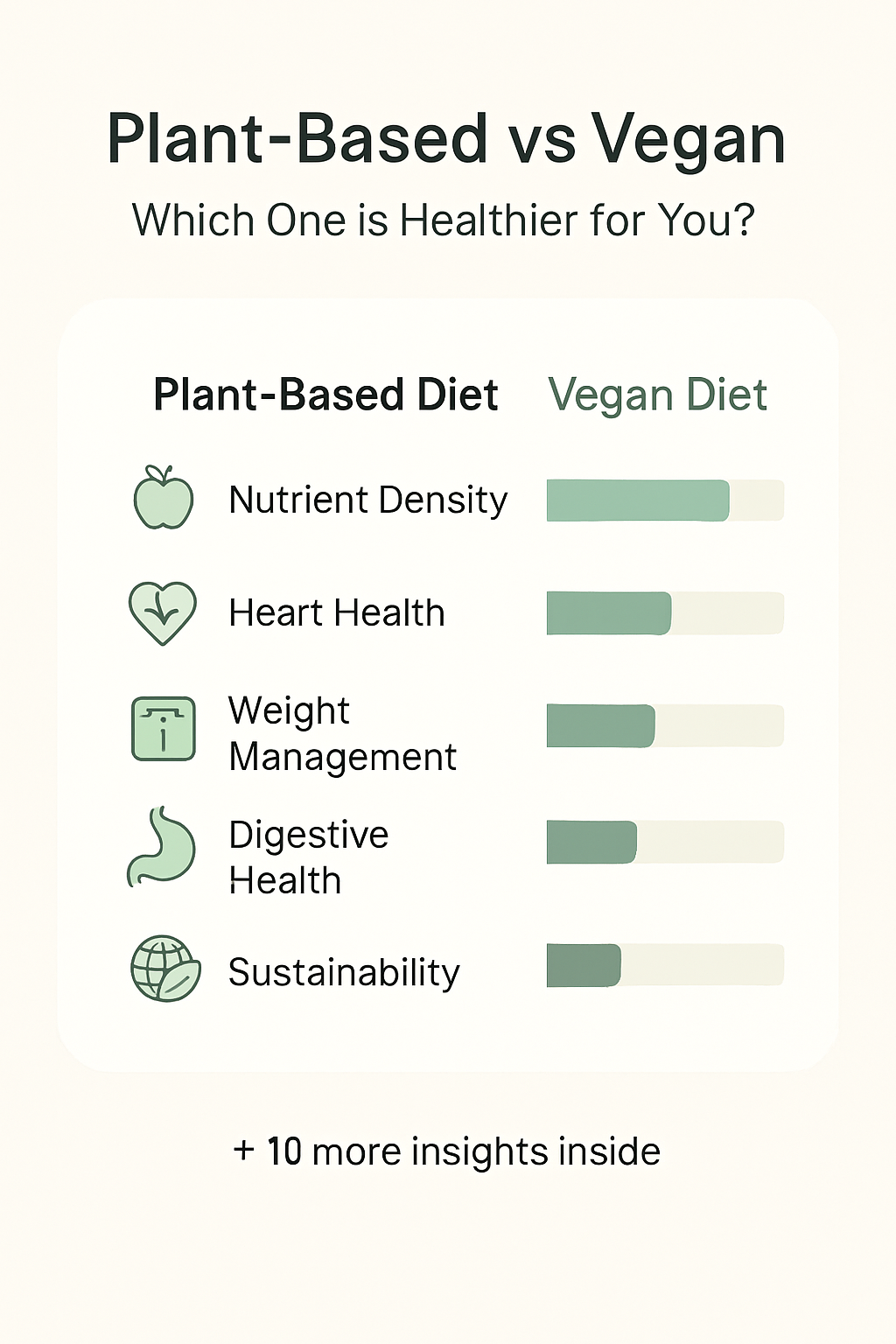
For lowering LDL cholesterol, improving blood-pressure patterns, and increasing fiber, I generally favor a whole-food plant-forward pattern first. It is easier to sustain and can retain targeted foods such as fish or yogurt if they solve a nutritional or cultural barrier. A person does not need to become vegan to reduce red and processed meat substantially.
For ethical reasons, a fully vegan diet is entirely reasonable, but it should be planned as a nutritional system rather than a list of forbidden foods. I am more cautious about an unplanned vegan transition in older adults with low appetite, teens who skip meals, people with a history of iron deficiency, and athletes who already struggle to eat enough.
Weight loss still requires an energy deficit over time. Neither vegan nor plant-based automatically creates one. A large smoothie with nut butter, coconut yogurt, dates, granola, and oat milk can easily exceed the energy in a meal it replaced. Conversely, bulky bean-and-vegetable meals often make a modest deficit easier because they bring fiber, water, and chewing volume.
| Goal | Best starting pattern | Anchor food |
|---|---|---|
| Lower LDL | Whole-food plant-forward | Oats and beans |
| Weight loss | High-fiber, protein-focused | Lentil vegetable bowl |
| Muscle gain | Planned vegan or flexitarian | Tofu and soy milk |
| Iron deficiency risk | Plant-forward, less restrictive | Lentils plus vitamin C |
For heart health, dietary replacement is more informative than simple removal. Replacing bacon with steel-cut oats, black beans, walnuts, and berries is metabolically different from replacing it with vegan sausage and a sweet pastry. Replacing processed deli meat with a minimally processed tofu sandwich can be a substantial improvement even though tofu is packaged.
What happens to cholesterol, glucose, and gut microbes after the switch?
On day three of a sudden high-fiber transition, people often report a tight, gassy abdomen and unusually frequent bowel movements. That reaction usually reflects a rapid rise in fermentable carbohydrate, especially from beans, onions, garlic, lentils, and large servings of cruciferous vegetables. Colonic bacteria ferment some fibers into short-chain fatty acids such as butyrate; the adaptation is useful, but going from 12 grams of fiber to 40 grams overnight can be miserable.
Increase legumes gradually: start with one-half cup daily, rinse canned beans thoroughly, choose red lentils or firm tofu first, and drink enough fluid. People with irritable bowel syndrome, inflammatory bowel disease flares, gastroparesis, short bowel syndrome, or a history of bowel obstruction should not copy a high-fiber plan without individualized medical guidance.
Viscous fiber changes the bile-acid equation
Oats, barley, beans, citrus, and psyllium provide soluble, viscous fibers that bind part of the bile-acid pool in the intestine. The liver then draws on circulating cholesterol to synthesize more bile acids. That is one reason a food pattern rich in these foods can lower LDL cholesterol, especially when it replaces saturated-fat-heavy foods.
The more clinically useful marker for many people at elevated cardiovascular risk is ApoB, which reflects the number of atherogenic lipoprotein particles. A diet can be vegan yet still unfavorable for ApoB if it relies heavily on coconut oil, palm-based products, refined baked goods, or excess calories. A 2023 umbrella review found stronger evidence for weight reduction than for several long-term disease outcomes, so promises should remain proportionate to what dietary evidence can prove.
Protein and starch change post-meal glucose differently
Beans and intact grains contain carbohydrate, but their structure matters. Intact kernels, resistant starch, protein, and fiber slow gastric emptying and reduce the speed at which glucose enters circulation compared with juice, white bread, or sugary cereal. Insulin then directs glucose toward storage and use; the goal is not to eliminate insulin, but to avoid repeated large glucose excursions from low-fiber refined foods.
A bowl of lentils may still raise blood glucose in a person with diabetes. Portion, medication, meal timing, sleep, and individual glucose response all affect the result. Anyone using insulin or a sulfonylurea should involve their prescribing clinician before sharply reducing carbohydrate, because medication requirements can fall and hypoglycemia becomes a real risk.
The nutrients that become fragile after dairy, eggs, and fish disappear
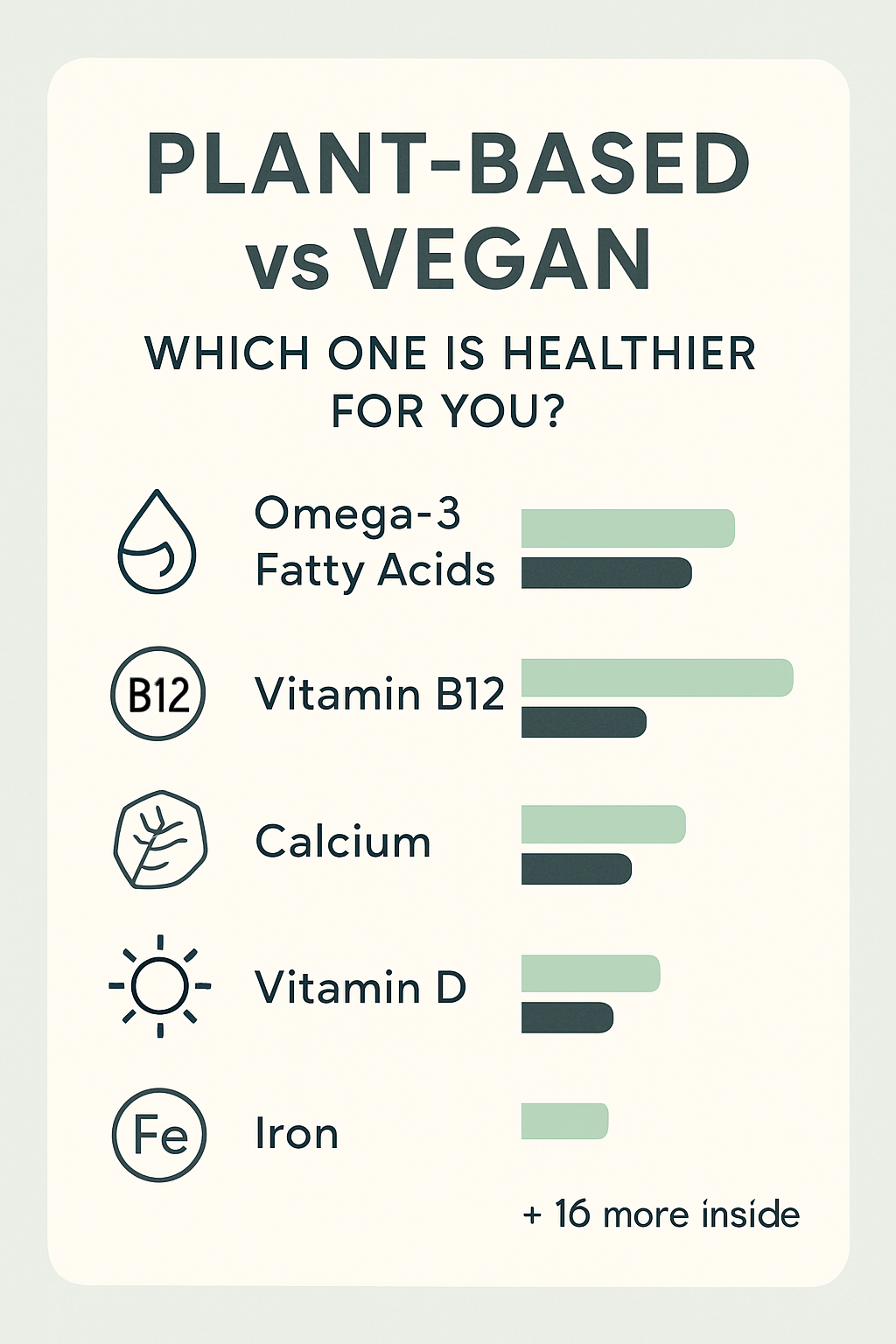
The biggest difference in a vegan diet vs plant-based nutrition comparison is not protein by itself. It is the loss of reliable animal-derived nutrient sources. A systematic review found that vegan dietary patterns commonly had lower vitamin B12, calcium, iodine intake or status, and lower bone mineral density, while providing more fiber and several beneficial micronutrients.
Think in replacement maps. Removing a food without replacing its nutritional job is how an apparently healthy diet becomes brittle. A daily multivitamin is not always enough, because dose, form, timing, and absorption vary.
- Vitamin B12: Use a reliable supplement or consistently fortified foods; unfortified plant foods do not provide dependable B12.
- Calcium: Choose calcium-fortified soy milk, calcium-set tofu, fortified yogurt, kale, bok choy, and beans.
- Iodine: Use iodized salt deliberately or a measured supplement; specialty salts often lack iodine.
- Vitamin D: Check fortified foods, sunlight exposure, and blood testing when clinically appropriate.
- Iron: Pair beans, lentils, tofu, and pumpkin seeds with peppers, citrus, kiwi, or tomatoes.
- Omega-3 fats: Include flax, chia, hemp, or walnuts; consider algae-derived EPA/DHA selectively.
Non-heme iron needs a vitamin C partner
Plant iron is non-heme iron, which is more sensitive to meal composition than heme iron from meat. A lentil bowl with roasted red peppers or orange segments gives vitamin C, which improves non-heme iron absorption. Tea, coffee, and large calcium doses taken directly with an iron-rich meal can reduce absorption, so spacing them away from the meal is useful for someone with low ferritin.
Fatigue, breathlessness during ordinary activity, restless legs, hair shedding, and pica deserve clinical assessment rather than a self-prescribed iron supplement. Iron overload is harmful too. Menstruating women, frequent blood donors, endurance athletes, and people with gastrointestinal blood loss deserve more careful screening before assuming food alone will fix symptoms.
Iodine is the vegan blind spot many meal plans miss
Sea salt, Himalayan salt, kosher salt, and restaurant salt are unreliable iodine sources. Seaweed is inconsistent: one serving can contain very little iodine, while certain kelp products can deliver excessive amounts. A meta-analysis specifically identifies iodine status as an under-recognized concern in vegan populations.
Adults with thyroid disease should not make large iodine changes independently. Discuss supplementation and thyroid medication timing with a clinician, especially if you use levothyroxine. Calcium, iron, and high-fiber supplements can interfere with absorption of thyroid medication when taken too close together.
Can vegan protein support muscle, appetite, and healthy aging?
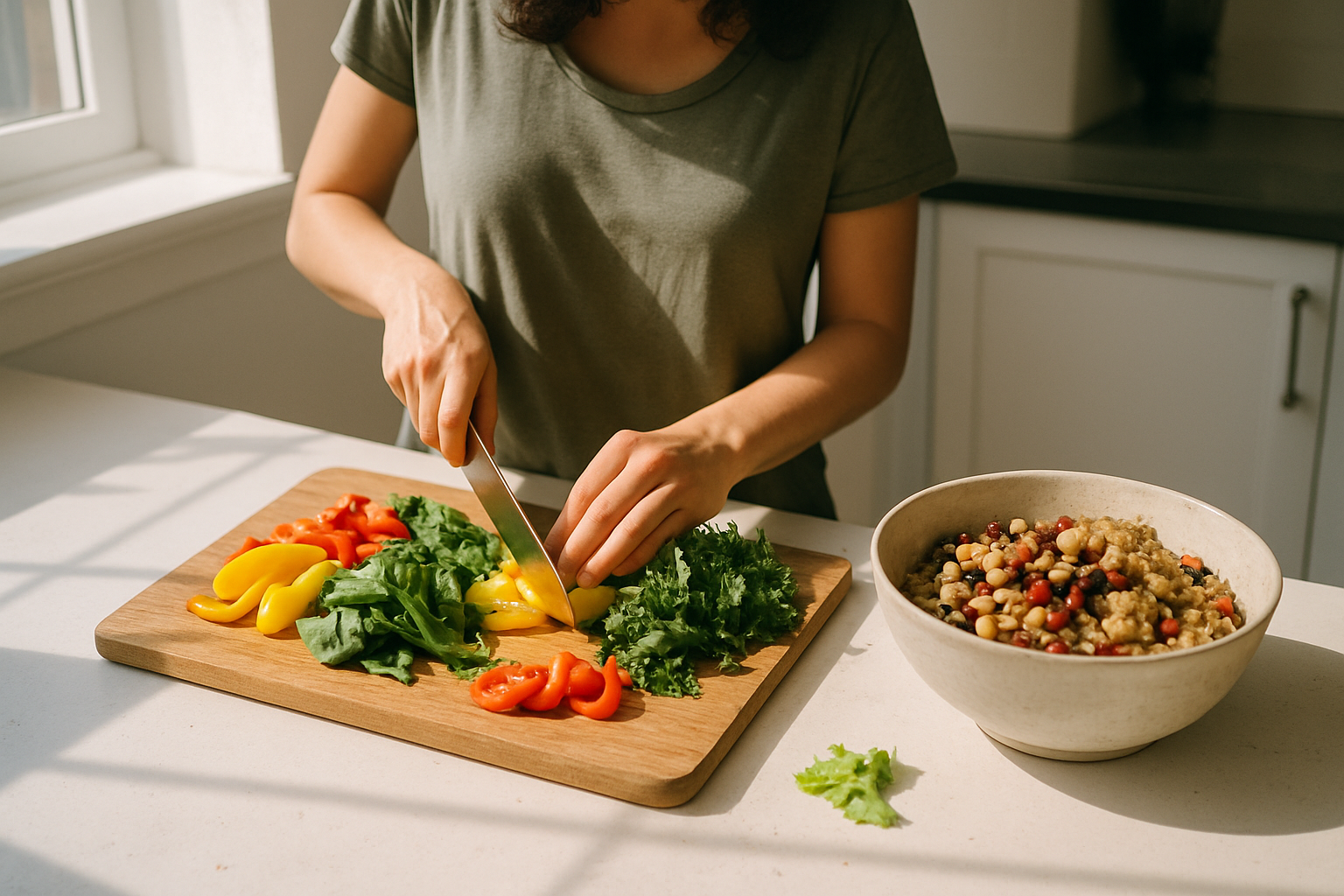
Yes, but “protein is easy” is incomplete advice. Protein adequacy depends on total calories, protein density, amino-acid profile, digestibility, and distribution across meals. A 25-year-old eating plenty of calories can meet needs with beans and grains. A 72-year-old with low appetite who eats toast and fruit until dinner may not reach enough protein or leucine to stimulate muscle protein synthesis.
For generally healthy adults, the baseline Recommended Dietary Allowance is 0.8 grams of protein per kilogram of body weight daily. Older adults, people in a calorie deficit, and people performing regular resistance training often benefit from a higher individualized target. A practical vegan meal target is 25 to 35 grams of protein at meals, using a concentrated source rather than hoping small amounts from vegetables add up.
Soy, seitan, lentils, and pea protein solve different problems
- Extra-firm tofu: About 20 grams per 200-gram portion; useful for stir-fries and bowls.
- Tempeh: Dense, chewy, and filling; choose lower-sodium brands when possible.
- Edamame: Easy freezer staple for salads, snacks, and grain bowls.
- Seitan: Very protein-dense, but unsuitable for celiac disease or gluten intolerance.
- Lentils and beans: Provide protein plus fiber; pair with grains for higher energy needs.
- Pea or soy protein: Convenient after training or during low-appetite periods.
Resistance training creates the muscle-building stimulus; food supplies the amino acids for repair and adaptation. A vegan athlete training at 6:00 a.m. does not need to force a giant pre-workout meal. A banana and soy yogurt beforehand, followed by tofu scramble and toast after training, is often more tolerable. A night-shift worker can use the same sequence relative to their waking hours rather than copying an early-morning schedule.
Who should not switch to strict vegan eating without clinical support?
A carefully planned vegan diet can be safe across life stages, but strict restriction is not the right first move for everyone. Pregnant and breastfeeding people have higher needs for protein, iron, iodine, choline, B12, vitamin D, calcium, and omega-3 fats. They need a prenatal plan designed with an obstetric clinician or dietitian, not social-media food rules.
People with a current or past eating disorder should avoid using veganism, fasting, or “clean eating” rules as a socially acceptable route to tighter food control. A sudden drop in body weight, skipped social meals, escalating fear around ingredients, or intense guilt after eating animal foods signals that the plan may be worsening food-related distress.
- Type 1 diabetes: Adjustments can alter insulin needs and require medical supervision.
- Active GI disease: High-fiber foods may worsen pain, diarrhea, or obstruction risk.
- Kidney disease: Potassium, phosphorus, protein, and fluid targets may differ.
- Osteoporosis: Calcium, vitamin D, protein, and resistance training need review.
- Low body weight: High-volume foods may crowd out needed calories.
- Food allergies: Soy, nuts, sesame, and legumes may limit common staples.
Strict dietary restriction can also interact with menstrual health when it unintentionally creates low energy availability. Missed or irregular periods, recurrent injuries, fatigue, feeling cold, declining exercise performance, or preoccupation with food deserve prompt assessment. The problem is insufficient energy and nutrients relative to output, not plant foods themselves.
A seven-day plant-forward transition that does not overload your gut
The first week should teach repeatable meals, not chase dietary purity. One client who previously ate chicken at lunch and cereal for dinner started with a bean-based lunch on Monday. By Wednesday, she described a 3:00 p.m. sugar craving and more gas than expected; the problem was a huge chickpea salad with raw broccoli, not a failure of plant-based eating.
She reduced the chickpeas to one-half cup, used cooked vegetables, added tofu and a whole-grain pita, and kept fruit available at 3:00 p.m. Hunger steadied by day six. After four weeks, her lunches were more consistent because the meal was satisfying enough to prevent the afternoon vending-machine run. The useful change was structure, not moral discipline.
| Day | One action | Prep task |
|---|---|---|
| 1 | Plant-based breakfast | Cook oats |
| 2 | Swap one lunch | Rinse canned beans |
| 3 | Add tofu dinner | Press tofu |
| 4 | Choose fortified milk | Check nutrition label |
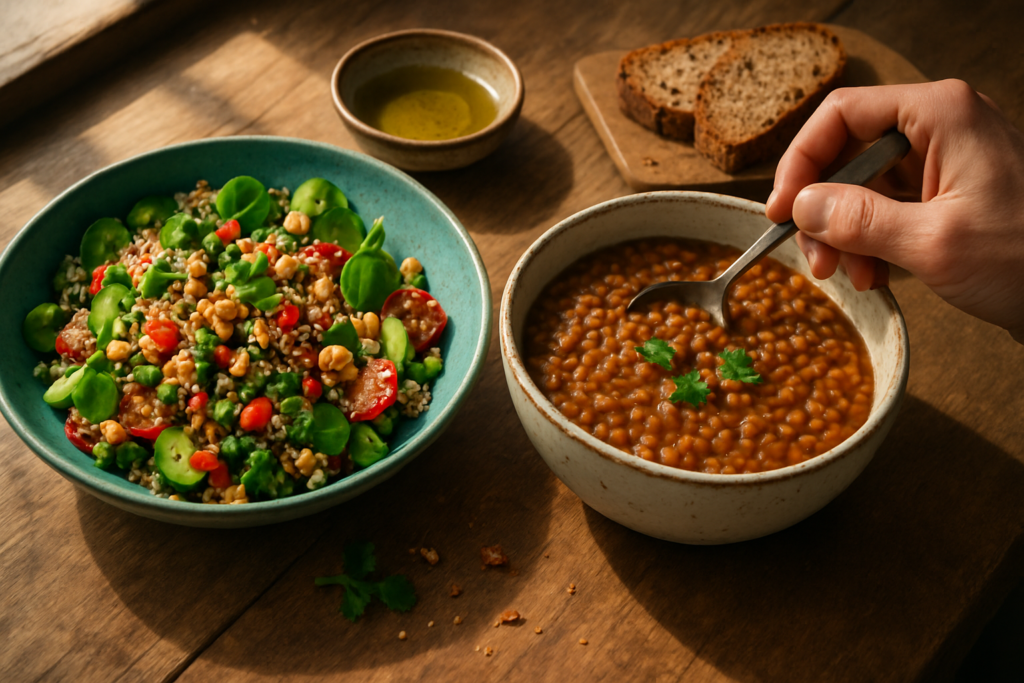
| 5 | Make lentil soup | Freeze two portions |
| 6 | Plan restaurant order | Pack snack |
| 7 | Review hunger and stool | Adjust fiber dose |
The hardest days are commonly days two through five. Sugar cravings may rise if a person removes familiar convenience foods but fails to replace them with enough starch and protein. Keep satisfying staples available: microwavable brown rice, frozen edamame, hummus, fruit, roasted potatoes, whole-grain bread, and unsweetened fortified soy milk.
What a realistic plant-forward day looks like on the clock
This sample day suits someone aiming for steadier appetite and approximately 90 grams of protein, depending on brand choices and portions. It is not a prescription for every calorie need. A person who works overnight can shift the meals to their waking period; the sequence matters more than a fixed clock time.
| Time | Meal | Practical detail |
|---|---|---|
| 7:00 a.m. | Overnight oats | Soy milk, chia, berries |
| 10:30 a.m. | Apple and edamame | One cup shelled |
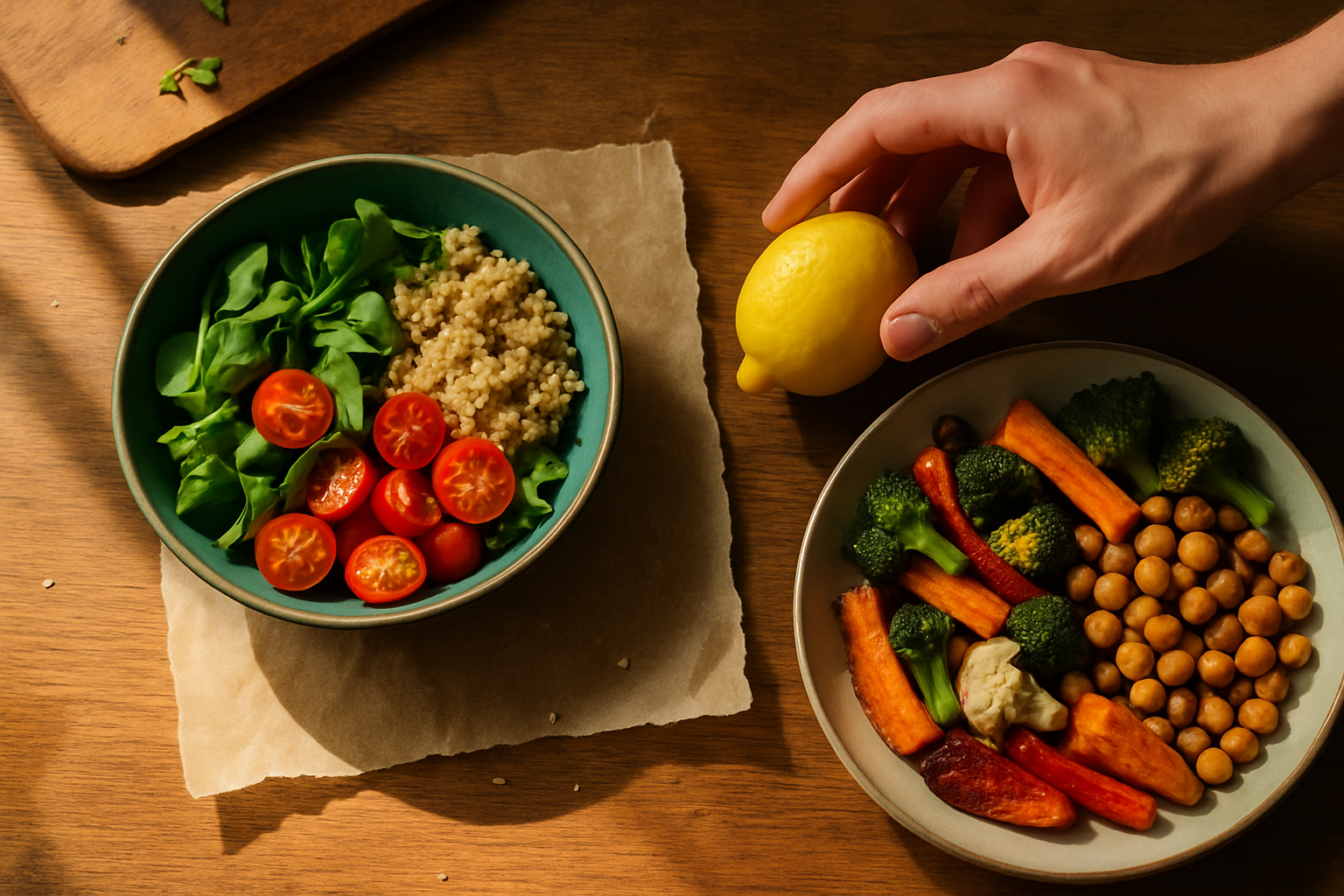
| 1:00 p.m. | Lentil grain bowl | Peppers, tahini, greens |
| 4:30 p.m. | Soy yogurt snack | Fortified, unsweetened |
| 7:30 p.m. | Tofu stir-fry | Rice, broccoli, sesame |
Breakfast contains oats, chia seeds, unsweetened fortified soy milk, frozen berries, and a spoonful of peanut butter. Lunch is one cup cooked lentils, three-quarters cup brown rice, roasted peppers, spinach, cucumber, lemon juice, and tahini. Dinner uses 200 grams of extra-firm tofu with broccoli, mushrooms, carrots, garlic, ginger, tamari, and rice.
Choose soy milk over unfortified almond, oat, or coconut beverages if protein is a priority. Many plant milks contain only one gram of protein per cup, while fortified soy milk commonly provides closer to seven or eight grams. Shake cartons before pouring because calcium can settle at the bottom.
Stop making these common vegan and plant-based food swaps
The most frequent substitution error is removing an animal protein and replacing it with a low-protein carbohydrate. Salad alone for lunch often produces ravenous hunger at 4:00 p.m. A useful plate has a protein anchor, a fiber-rich carbohydrate, vegetables or fruit, and a fat source that makes it satisfying.
| Common swap | Why it fails | Better replacement |
|---|---|---|
| Chicken to plain salad | Too little protein | Tofu lentil salad |
| Milk to unfortified almond | Low protein, calcium | Fortified soy milk |
| Fish to flax only | No direct EPA/DHA | Flax plus algae option |
| Eggs to toast | Protein disappears | Tofu scramble |
| Yogurt to coconut yogurt | Often low protein | Fortified soy yogurt |
| Meat to vegan nuggets | Sodium-heavy default | Tempeh or beans |
Meat substitutes are not automatically off-limits. A burger made from pea protein can be a practical choice at a barbecue, especially if it replaces processed beef. Read the label for protein, sodium, saturated fat, and whether it is fortified. The food’s job in your diet matters more than its ingredient-list length alone.
For budget planning, dried lentils, canned beans, oats, potatoes, frozen vegetables, peanut butter, and tofu usually provide more meals per dollar than specialty vegan cheeses, meal-replacement shakes, and single-serve snack products. Buy shelf-stable basics in larger sizes, freeze cooked grains flat in bags, and keep two emergency meals available for late workdays.
Build a grocery system that survives busy weeks
A good plant-forward kitchen needs ingredients that assemble quickly at 9:00 p.m., not just beautiful recipes saved online. I recommend buying across four zones: protein anchors, fiber-rich carbohydrates, produce, and fortified nutrient anchors. That structure prevents the refrigerator from becoming a drawer full of vegetables with no dinner plan.
Four grocery zones for a plant-forward kitchen
- Protein anchors: Tofu, tempeh, edamame, canned beans, lentils, soy yogurt.
- Carbohydrate base: Oats, potatoes, brown rice, quinoa, whole-grain pasta.
- Produce reserve: Frozen berries, spinach, broccoli, fresh fruit, onions.
- Fortified staples: Soy milk, nutritional yeast, cereal, yogurt, B12 source.
Batch-cook one grain, one bean or lentil dish, and one tray of roasted vegetables each weekend. Store cooked grains and legumes in shallow containers and refrigerate promptly; use within several days or freeze portions. Keep sauces separate so salads do not become soggy by Tuesday.
Restaurant meals need a different strategy. Ask for a grain-and-bean bowl, tofu stir-fry, vegetable sushi with edamame, or pasta with tomato sauce and white beans. Add a side salad or vegetables, then bring a B12 plan home with you; restaurant food cannot reliably cover it.
How to tell if this plan is working for your body
Use a weekly check instead of reacting to one bloated day or one restaurant meal. Record four items for two weeks: afternoon hunger from zero to ten, bowel pattern, energy during usual activity, and the number of meals containing a real protein anchor. This is more useful than checking the scale every morning.
A pattern is working when hunger is manageable between meals, stools are comfortable and regular for you, training or walking performance is stable, and meals do not require constant willpower. Persistent dizziness, fainting, missed periods, worsening fatigue, recurrent diarrhea, or unintended rapid weight loss are adjustment signals, not badges of commitment.
People pursuing cardiometabolic improvement can discuss baseline and follow-up measures with a clinician: blood pressure, lipids, ApoB where appropriate, hemoglobin A1c, iron studies if indicated, vitamin B12, vitamin D, and thyroid-related testing when symptoms or iodine intake raise concern. Food changes deserve the same feedback loop as any other health intervention.
Reader questions about plant-based and vegan eating
Can a plant-based diet include meat?
Yes. In everyday nutrition use, plant-based often means plants make up most of the diet, while meat, eggs, dairy, or fish may appear in smaller amounts. A person eating beans several times weekly, vegetables at most meals, oats for breakfast, and fish once weekly can accurately describe their pattern as plant-forward or plant-based. Vegan eating cannot include animal foods.
Is whole-food plant-based the same as vegan?
No. Whole-food plant-based emphasizes minimally processed plant foods and typically limits refined grains, added sugars, and highly processed products. It may be fully vegan, but some people use it while retaining limited animal foods. Vegan describes animal-food exclusion and does not automatically describe processing level.
Do vegans need B12 supplements?
Vegans need a reliable B12 source. Fortified foods can work if consumed consistently in amounts that meet needs, but a supplement is usually simpler and more dependable. Nutritional yeast is only a B12 source when the label states it is fortified. Spirulina, seaweed, mushrooms, and fermented foods are not dependable replacements.
Which is better for weight loss: plant-based or vegan?
A structured plant-forward pattern is usually the better starting choice for most people because it reduces dietary friction while improving meal quality. Vegan eating can support weight loss if it creates a sustainable calorie deficit and contains enough protein and fiber. Vegan desserts, oils, snack foods, and oversized nut portions can erase the deficit quickly.
Is veganism healthy long-term?
Yes, veganism can be healthy long-term when energy intake, protein, B12, calcium, iodine, vitamin D, iron, and omega-3 planning are addressed. Bone health deserves particular attention through adequate calcium, vitamin D, protein, resistance exercise, and clinical review of individual risk factors. A higher fracture-risk signal in some reviews should be treated as a planning issue, not proof that vegan eating is inherently unsafe.
This content is based on clinical nutrition research and practical meal planning. It is for informational purposes only and does not constitute medical advice. Consult a qualified healthcare provider before making major changes to your dietary routine.