I recommend a Mediterranean-style anti-inflammatory foods list built around fatty fish, colorful plants, beans, nuts, and extra-virgin olive oil because these foods change the dietary inputs that influence chronic inflammatory signaling. The best foods to reduce inflammation can support less stiffness and lower background swelling over several weeks, but they do not treat a hot, suddenly swollen joint that needs medical assessment. For joint comfort, the core rule is simple: make anti-inflammatory diet foods the default at most meals rather than relying on turmeric shots, detox teas, or one “superfood.”
Which anti-inflammatory foods should you eat most often for swollen joints?
The top anti-inflammatory foods for swelling are ordinary foods eaten repeatedly, not rare ingredients. I look for a pattern that supplies marine omega-3 fats, fermentable fiber, polyphenols, minerals, and unsaturated fats while crowding out highly processed snacks and salty convenience meals.
A practical starting target is two portions of oily fish each week, beans or lentils on most days, vegetables at lunch and dinner, and fruit used as the usual sweet finish. That pattern resembles the plant-forward Mediterranean approach often discussed by Harvard Health and arthritis-focused nutrition guidance.
| Food group | Key compounds | Practical serving | Easy meal use |
|---|---|---|---|
| Fatty fish | EPA, DHA | 100–120 g, twice weekly | Salmon grain bowl |
| Berries | Anthocyanins | 1 cup daily | Frozen yogurt topping |
| Leafy greens | Nitrate, folate | 2 loose cups | Egg scramble |
| Cruciferous vegetables | Glucosinolates | 1 cup cooked | Sheet-pan broccoli |
| Beans | Fiber, magnesium | ¾ cup cooked | White bean soup |
| Nuts and seeds | Vitamin E, ALA | 30 g daily | Walnut oatmeal |
| Extra-virgin olive oil | Oleocanthal | 1–2 tablespoons | Lemon vinaigrette |
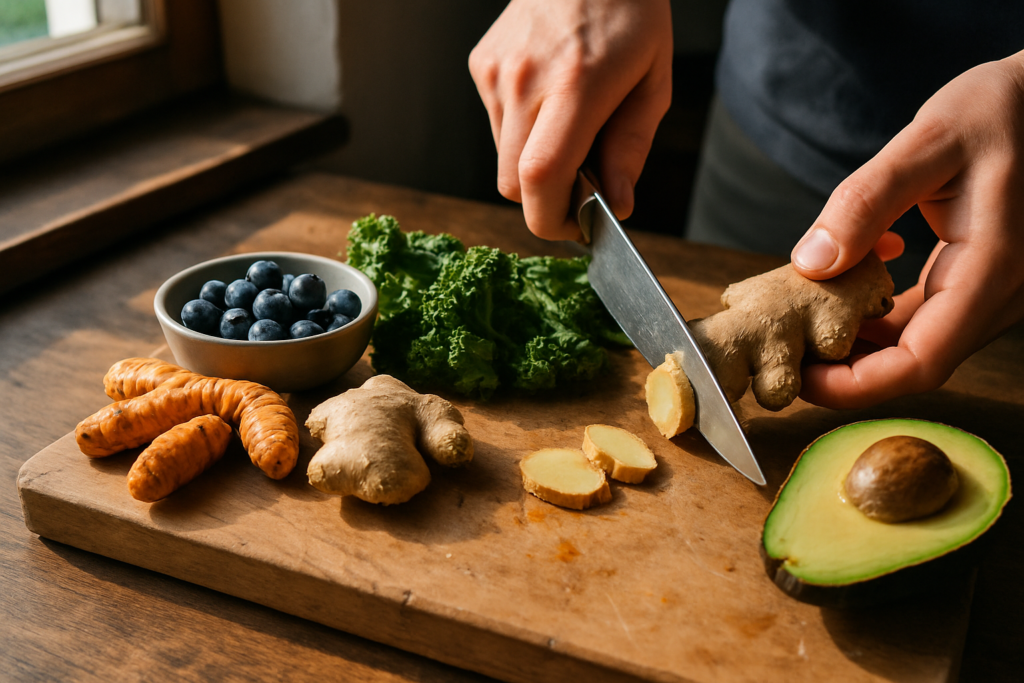
| Turmeric and ginger | Curcuminoids, gingerols | ½–1 teaspoon | Lentil stew |
Fatty fish delivers the most direct food source of EPA and DHA
Salmon, sardines, trout, herring, anchovies, and mackerel provide the long-chain omega-3 fats EPA and DHA. These fats compete with arachidonic acid in cell membranes and can shift the production of eicosanoids toward less inflammatory signaling molecules. This is one reason fatty fish anti-inflammatory benefits are more biologically direct than those from most plant foods.
Choose canned sardines or salmon if fresh fillets stretch the budget. Canned fish is often less expensive per serving, stores for months, and works in salads, pasta, rice bowls, or mashed with white beans and lemon. Select low-sodium versions where possible, especially if ankle puffiness or blood pressure is part of the problem.
Evidence from supplements should not be presented as proof that one salmon dinner will shrink a swollen knee. A meta-analysis of PUFA interventions in inflammatory rheumatic disease found improvements in pain and several disease-activity measures, but many included trials used supplemental doses beyond normal food intake. Food remains my first recommendation because it displaces less favorable meals and brings protein, vitamin D, selenium, and other nutrients along with omega-3 fats.
Berries, cherries, and deeply colored fruit
Berries anti-inflammatory properties come largely from anthocyanins and other polyphenols, the pigments behind blue, purple, red, and black fruit. Blueberries, blackberries, raspberries, strawberries, tart cherries, red grapes, plums, and pomegranate all fit. Use the fruit you can buy and eat consistently; acai powder is not required.
Frozen berries are a reliable choice because they are picked ripe, cost less outside summer, and prevent the familiar refrigerator problem where expensive fresh berries spoil untouched. Add one cup to plain Greek yogurt, unsweetened oatmeal, or a smoothie with spinach and ground flaxseed. Juice is a poor substitute because it removes much of the intact fiber and is easy to overconsume.
Leafy greens and cruciferous vegetables fill the plate differently
Leafy greens reduce inflammation indirectly by improving the nutrient density of the meal they replace. Spinach, kale, arugula, romaine, chard, and collards provide folate, vitamin K, carotenoids, potassium, and dietary nitrate. Their volume also makes it easier to eat a satisfying plate without making refined starch the main event.
Cruciferous vegetables inflammation research often focuses on glucosinolate breakdown products. Broccoli, cabbage, Brussels sprouts, cauliflower, bok choy, and watercress are all useful choices. Chop broccoli or cabbage before cooking and use moderate heat; overcooking until soft and gray makes these vegetables harder to enjoy and reduces repeat use.
Someone moving from very little produce to large raw kale salads can feel bloated on days three through five. That is usually a fiber-volume adjustment, not evidence that vegetables are “inflammatory.” Start with cooked greens, roasted broccoli, or blended vegetable soup, then increase portions over 10 to 14 days while drinking enough fluid.
Beans, whole grains, nuts, and seeds feed a healthier meal pattern
Beans, lentils, chickpeas, peas, oats, barley, brown rice, quinoa, and intact whole grains provide fermentable fibers. Almonds, walnuts, pistachios, pumpkin seeds, chia, flaxseed, and sesame contribute unsaturated fat, minerals, and texture. A handful of nuts means about 30 grams, not a free-poured bowl beside the television.
Walnuts, chia, flax, and hemp offer alpha-linolenic acid, or ALA, a plant omega-3. The body converts only a limited amount of ALA to EPA and DHA, so vegetarian eating needs a deliberate plan rather than assuming flax alone is equivalent to fish. Algae-based DHA/EPA supplements can be discussed with a clinician or dietitian when fish is not eaten.
Extra-virgin olive oil, turmeric, ginger, and green tea add useful detail
Extra-virgin olive oil contains monounsaturated fat and phenolic compounds, including oleocanthal. Its peppery throat sensation is often stronger in fresher oils with higher phenolic content, though flavor is not a laboratory test. Use it for dressings, low-to-medium heat sautéing, and finishing roasted vegetables; a neutral refined oil can handle higher-heat cooking when needed.
Turmeric and ginger anti-inflammatory benefits are plausible and clinically interesting, but culinary amounts should be treated as part of a pattern. A meta-analysis of curcumin interventions in rheumatoid arthritis reported improvements in several activity measures, including swollen-joint count. Those interventions frequently used concentrated curcumin products, so a teaspoon of turmeric in soup should not be marketed as an equivalent treatment.
Black pepper contains piperine, which can increase curcumin absorption, but it can also affect medication metabolism. Use pepper normally in food; do not combine high-dose curcumin and piperine supplements without pharmacist or prescriber review. Green tea is a sensible unsweetened drink, while sweetened bottled tea can deliver more added sugar than tea compounds.
Can food reduce swelling fast—or is this a sign you need medical care?
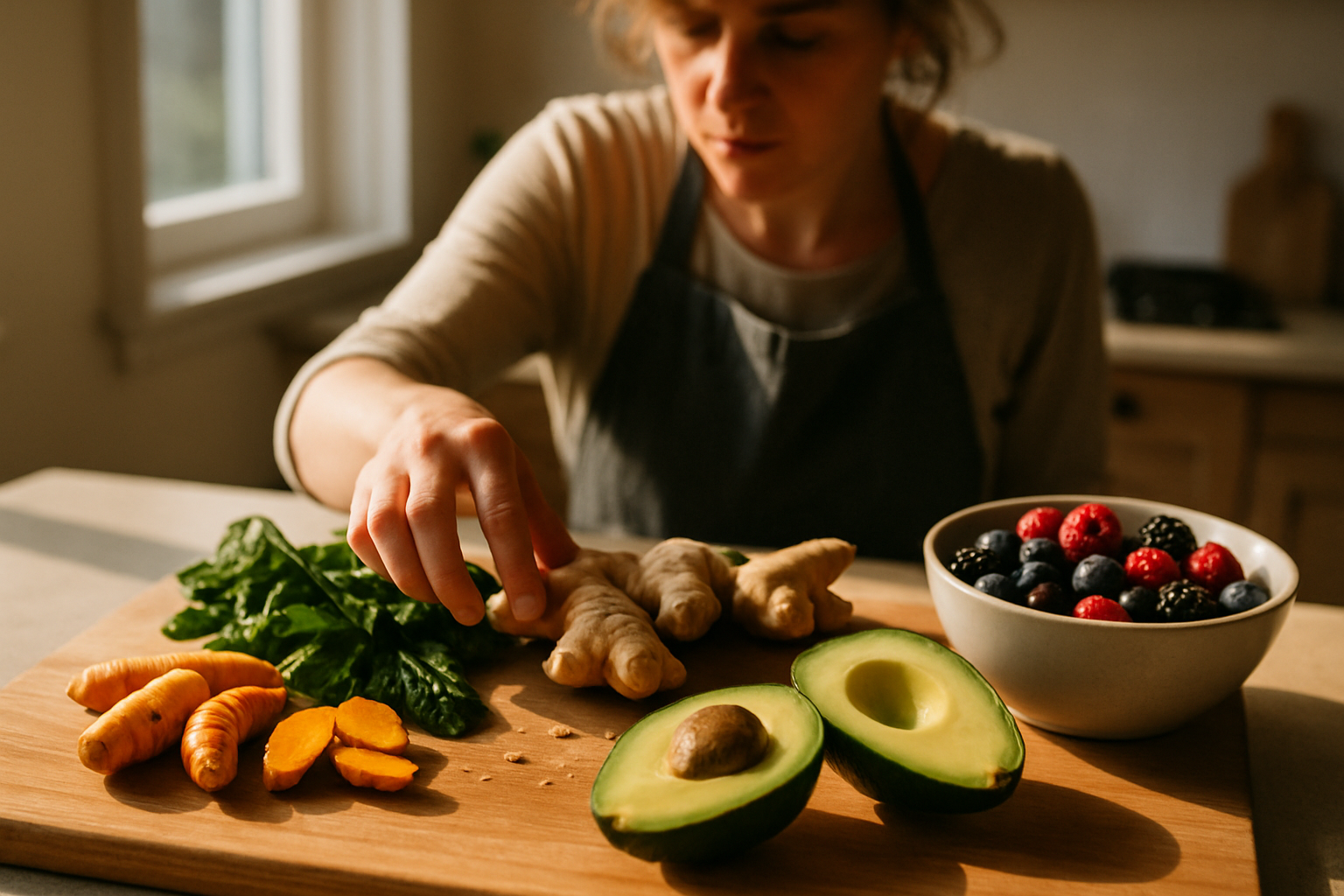
Food can influence chronic, low-grade inflammation and sodium-related puffiness, but it cannot diagnose why a joint or limb is swollen. A knee that slowly feels stiff after sedentary weeks, high-sodium takeout, poor sleep, and low produce intake belongs in a different category from a knee that doubled in size overnight.
A painful single joint can be gout, infection, or injury
Gout often causes abrupt, severe pain, warmth, redness, and swelling, commonly in the big toe but also in the ankle, knee, wrist, or elbow. Alcohol, dehydration, a large purine-rich meal, and some medications can contribute, yet treating a suspected flare with cherries and turmeric instead of medical care is a mistake. Septic arthritis can damage a joint quickly and requires urgent treatment.
A twisted ankle, fall, or sudden increase in running mileage can cause structural injury and local inflammation. Food supports recovery conditions but does not rule out a fracture, tendon injury, or ligament tear. A clinician should assess persistent inability to bear weight, visible deformity, numbness, or swelling that does not improve after appropriate rest and injury care.
Edema is fluid movement, not always inflammation
Edema means fluid has accumulated in tissue. Long flights, prolonged sitting, menstrual-cycle changes, venous insufficiency, certain blood-pressure medicines, heart disease, kidney disease, liver disease, and high sodium intake can all produce swelling in feet or ankles. Puffy rings after a restaurant meal are often a sodium-and-fluid issue rather than joint inflammation.
Reducing packaged soups, cured meats, fast food, salty sauces, and restaurant portions may change fluid-related puffiness within a few days. That is different from changing immune-mediated inflammation. Do not use “anti-inflammatory” eating to self-manage unexplained persistent edema, shortness of breath, chest pain, or new rapid weight gain.
Chronic joint symptoms usually change over weeks
For osteoarthritis, rheumatoid arthritis support, or nonspecific stiffness, I set a realistic expectation of four to twelve weeks of consistent dietary pattern change before judging joint symptoms. A 12-week randomized trial in people with rheumatoid arthritis found a Mediterranean diet improved disease activity, function, and vitality compared with a control diet; read the 12-week Mediterranean diet trial as pattern-level evidence, not a promise of rapid relief.
A typical first week is less dramatic than social media suggests. One client-style pattern I see often: day two brings a 3 p.m. craving because sweetened coffee and a pastry were removed; by day six, a protein-and-fiber lunch prevents the vending-machine run; by week three, morning finger stiffness is easier to track because meals and sodium are no longer changing wildly every day. The useful outcome is a trend in function, not a miracle before-and-after photo.
Who needs individualized food changes rather than a generic plan
Pregnant or breastfeeding people should not use aggressive calorie restriction, detoxes, or elimination plans to manage swelling. New swelling with headache, visual changes, upper abdominal pain, or high blood pressure in pregnancy needs urgent obstetric evaluation because it may signal preeclampsia.
People with a history of disordered eating should avoid rigid food rules, fasting, and moral labels such as “clean” or “toxic.” The anti-inflammatory pattern is suitable only when it expands meal quality without intensifying restriction. A dietitian with eating-disorder expertise is the better source of individualized support.
Type 1 diabetes, insulin-treated diabetes, inflammatory bowel disease, short bowel syndrome, active diverticulitis, gastroparesis, severe irritable bowel symptoms, kidney disease requiring potassium or phosphorus limits, and anticoagulant therapy all require specific adjustments. Large sudden increases in greens, legumes, turmeric supplements, or fasting schedules can be unsafe or intolerable in these settings.
How these foods affect inflammation, joint pain, and fluid swelling
Inflammation is an immune and tissue-repair response. It is not inherently bad; without it, wounds would not heal and infections would not be controlled. Trouble arises when inflammatory signals remain elevated or when an autoimmune process attacks joint tissue. Food changes the biochemical environment, but it cannot replace disease-modifying treatment for rheumatoid arthritis, psoriatic arthritis, or other inflammatory conditions.
EPA and DHA change the raw materials for eicosanoids
Cell membranes contain fatty acids that can be converted into signaling compounds called eicosanoids. EPA from marine foods provides a competing substrate to arachidonic acid and can yield less inflammatory mediators and specialized pro-resolving mediators. This named pathway explains why omega-3 anti-inflammatory foods receive more attention for inflammatory joint conditions than most single ingredients.
Cooking method matters. A grilled sardine plate with vegetables and olive oil fits the pattern; battered fried fish with fries, a sugary drink, and creamy sauce does not produce the same meal-level effect. The fish itself is still nutritious, yet the surrounding sodium, refined starch, and excess energy change the practical result.
Fiber becomes short-chain fatty acids in the colon
Gut microbes ferment certain fibers from beans, oats, barley, vegetables, fruit, and whole grains. This process produces short-chain fatty acids such as butyrate, acetate, and propionate. Butyrate is a major fuel source for colon cells and helps support the intestinal barrier, reducing the chance that a low-fiber dietary pattern repeatedly favors less helpful microbial activity.
Fiber needs fluid. Increasing beans from none to two cups daily while drinking very little water can cause pressure, gas, and constipation. Begin with half a cup of lentils or beans, rinse canned varieties thoroughly, and use cumin, ginger, or a digestive-enzyme product if advised. The goal is a tolerable progression, not a contest for the highest fiber number.
Polyphenols and antioxidants protect against excess oxidative stress
Reactive oxygen species are normal byproducts of metabolism and immune activity. Problems occur when production outpaces antioxidant defenses, contributing to oxidative stress. Colorful produce provides vitamin C, carotenoids, flavonoids, and many other compounds that work through overlapping pathways rather than acting like a single vitamin pill.
That overlap is why I favor variety across a week: dark berries one day, oranges another, tomatoes, herbs, purple cabbage, leafy greens, and roasted squash. A huge smoothie made with fruit juice and sweetened yogurt can still spike calories and added sugar, even if it contains blueberries. Whole fruit and unsweetened dairy or soy yogurt offer a sturdier meal structure.
Oleocanthal and sodium explain two different “swelling” stories
Oleocanthal in extra-virgin olive oil has biochemical activity related to cyclooxygenase pathways, which is why olive oil is frequently discussed beside anti-inflammatory foods for arthritis. The amount in food is not an NSAID dose, and it should never be framed as an ibuprofen replacement.
Sodium works through a separate process. Higher sodium intake can increase thirst and transient extracellular fluid retention, especially in people sensitive to salt or taking certain medications. A low-sodium canned bean, plain frozen vegetables, and homemade vinaigrette usually serve ankle puffiness better than “healthy” bottled soup, deli turkey, and packaged grain bowls.
What foods should you limit when your joints are swollen?
The foods to avoid for inflammation are less about perfection than frequency. A birthday dessert or restaurant meal does not erase a week of nourishing meals. The real issue is a diet dominated by products that are easy to overeat, low in fiber, high in sodium, or built around added sugars and refined starches.
Added sugar and refined grains can crowd out fiber-rich foods
Soda, energy drinks, sweet coffee drinks, candy, pastries, sweetened cereal, and many snack bars add calories rapidly without much satiety. White bread, crackers, chips, and refined pasta are not forbidden, but they should not be the default carbohydrate at every meal. Pairing a refined carbohydrate with protein, vegetables, and fat blunts the “snack again in an hour” pattern.
A common substitution mistake is replacing a doughnut breakfast with a large bottled smoothie. The label may advertise antioxidants while containing fruit juice concentrate, sweetened yogurt, and nearly no chewing. Plain yogurt, berries, oats, and walnuts is the more stable anti-inflammatory breakfast.
Fried foods, processed meat, and alcohol deserve clear limits
- Deep-fried meals: Keep them occasional because they often combine refined coating, repeatedly heated fats, excess sodium, and oversized portions.
- Processed meats: Limit bacon, sausage, salami, hot dogs, and deli meats; they are commonly high in sodium and saturated fat.
- Heavy alcohol intake: Avoid it during gout symptoms and minimize it for chronic inflammation. Beer and spirits can be particularly problematic for gout-prone people.
- High-sodium convenience foods: Watch instant noodles, canned soups, frozen pizza, sauces, cured foods, and restaurant entrées if fluid swelling is present.
Read labels in context. A packaged food with 600 to 900 mg sodium can take up a large share of a daily sodium budget before dinner arrives. People with heart failure, kidney disease, uncontrolled hypertension, or medically prescribed sodium limits need individualized targets from their care team.
Gluten, dairy, MSG, and seed oils are not universal culprits
Gluten must be avoided with celiac disease and may need investigation in medically assessed non-celiac wheat sensitivity. For everyone else, removing gluten does not automatically reduce joint inflammation. The apparent benefit often comes from replacing pizza, pastries, and snack foods with vegetables, beans, fish, and home-cooked meals—not from removing gluten itself.
Dairy is similarly individual. Unsweetened yogurt and kefir can fit an anti-inflammatory diet meal plan, offering protein and calcium. Someone with lactose intolerance may need lactose-free dairy or fortified soy alternatives; a person with a milk allergy needs strict avoidance. Neither situation proves that dairy inflames joints for the general population.
MSG is a sodium-containing flavor enhancer, not a proven universal inflammatory trigger. Seed oils are also not inherently inflammatory; replacing butter with an unsaturated vegetable oil often improves dietary fat quality. The bigger issue is frequent intake of ultra-processed fried foods, not a teaspoon of canola or soybean oil used for home cooking.
A realistic 7-day anti-inflammatory diet meal plan for joint pain
Build this plan from repeating components, not seven elaborate recipes. Cook one grain, one bean-based dish, two trays of vegetables, and one protein option on the weekend. Then vary sauces, herbs, fruit, and meal assembly so lunches do not feel identical.
Your seven-day framework without seven separate shopping trips
- Day 1: Salmon, roasted broccoli, and barley; use leftovers for lunch.
- Day 2: Lentil tomato soup, whole-grain toast, and a side salad.
- Day 3: Chickpea bowls with cabbage, brown rice, olive oil, and lemon.
- Day 4: Sardine pasta with spinach, garlic, capers, and tomatoes.
- Day 5: Black bean tacos with avocado, salsa, and shredded red cabbage.
- Day 6: Ginger tofu stir-fry with frozen vegetables and quinoa.
- Day 7: Chicken or tempeh tray bake with cauliflower, carrots, and walnuts.
Use frozen broccoli, spinach, berries, and vegetable blends without apology. Frozen produce is often cheaper, requires no chopping, and prevents waste. Dried lentils are among the lowest-cost protein-and-fiber staples; canned beans save time, but rinse them for 20 to 30 seconds to lower surface sodium.
A full day of meals with realistic timing
Meal timing can shift. An early riser may eat breakfast at 6:30 a.m.; a night-shift worker can use the same sequence relative to waking, work break, and sleep. Do not force a narrow eating window simply because it appears disciplined. For people trying to lose weight, a calorie deficit still determines fat loss; timing alone does not create one.
| Time | Meal | Portion anchor | Prep shortcut |
|---|---|---|---|
| 7:00 a.m. | Oats, berries, walnuts | ½ cup dry oats | Overnight jar |
| 10:30 a.m. | Apple, peanut butter | 1 apple | Desk snack |
| 1:00 p.m. | Salmon lentil salad | Palm-size fish | Use leftovers |
| 4:30 p.m. | Greek yogurt, cherries | ¾ cup yogurt | Frozen cherries |
| 7:30 p.m. | Tofu broccoli stir-fry | 2 cups vegetables | Frozen broccoli |
For training days, place a protein-and-carbohydrate meal within a few hours before or after demanding exercise. A runner who eats only coffee until noon and then trains hard at 5 p.m. often arrives at dinner ravenous, making takeout far more likely. Add oats, yogurt, fruit, beans, rice, or potatoes around training rather than treating carbohydrates as inflammatory by default.
Swap the common “healthy” mistakes before they derail the week
| Common swap | Better choice | Why |
|---|---|---|
| Fruit juice | Whole berries | More chewing fiber |
| Sweetened granola | Oats plus walnuts | Less added sugar |
| Processed turkey sandwich | Chickpea salad pita | Lower sodium option |
| Turmeric shot | Turmeric lentil stew | Complete meal |
| Fried fish | Baked canned salmon | Less frying exposure |
| Salted nut mix | Unsalted walnuts | Better for puffiness |
Keep prepared grains, roasted vegetables, cooked lentils, and washed greens in shallow containers for three to four days in the refrigerator. Cooked fish is best used within one to two days for quality. Freeze extra soup in single-meal portions before you become tired of it; that is more useful than letting “healthy leftovers” become a science experiment at the back of the fridge.
Choose the emphasis that fits the condition you are managing
Joint pain has different drivers, so the best anti-inflammatory diet for joint pain is not identical for every diagnosis. Rheumatoid arthritis requires medical treatment alongside food changes. Osteoarthritis often responds best when improved diet quality makes gradual weight reduction possible, since joint load matters. Gout needs particular attention to alcohol, hydration, purines, and prescribed urate-lowering treatment.
| Goal | Best emphasis |
|---|---|
| Rheumatoid arthritis support | Fish, plants, medication adherence |
| Osteoarthritis weight support | Protein, fiber, portions |
| Gout-aware eating | Hydration, low alcohol |
| Fluid-related puffiness | Lower-sodium home meals |
| Vegetarian eating | Beans, algae omega-3 |
Use a weekly symptom check instead of guessing
For four weeks, record three numbers each Sunday: morning stiffness minutes, average joint pain on a 0-to-10 scale, and how many restaurant or packaged high-sodium meals you ate. Add one functional marker, such as minutes walked comfortably, stairs tolerated, or how easily you open jars. Keep medication changes in the note so you do not give food credit for a treatment adjustment.
A useful response looks like better meal regularity by week two, easier digestion after the fiber ramp-up, and a gradual downward trend in your chosen symptom marker by weeks four through eight. Stop and reassess if constipation, diarrhea, fatigue, obsessive food thoughts, worsening pain, or unintended weight loss develops. The plan should be practical enough to repeat, not impressive enough to photograph once.
Your questions about foods for inflammation and joint swelling
Can an anti-inflammatory diet help arthritis or joint pain?
It can help support symptom management, especially as part of a Mediterranean-style pattern that improves food quality and may assist with weight management in osteoarthritis. It cannot cure arthritis or replace rheumatology care. Rheumatoid arthritis, psoriatic arthritis, gout, and osteoarthritis need different medical plans, even if the food foundation overlaps.
Can food reduce inflammation as much as NSAIDs?
No. NSAIDs are medications with a defined pharmacologic effect and risks that require appropriate use. Olive oil, fish, vegetables, and spices are supportive dietary tools, not dose-matched replacements. Do not stop prescribed anti-inflammatory medication because a meal plan seems healthier.
Is fish oil as good as eating fatty fish?
Fish oil can be appropriate in selected cases, particularly for people who do not eat fish, but dose, product quality, bleeding risk, gastrointestinal effects, and drug interactions matter. Fatty fish offers a food matrix with protein and micronutrients while replacing other animal proteins. Ask a clinician before using high-dose fish oil if you take anticoagulants, have surgery planned, or have a bleeding disorder.
Does turmeric actually reduce joint swelling, and should I take it with black pepper?
Curcumin supplements have shown potential for rheumatoid arthritis symptoms in controlled interventions, but supplements differ widely in dose and absorption. Culinary turmeric is safe for many people as a seasoning. Black pepper may increase absorption, yet piperine can alter drug metabolism; avoid self-prescribing high-dose turmeric-piperine products if you take regular medications, have gallbladder disease, or are pregnant without clinical guidance.
How much fish, nuts, beans, fruit, and vegetables should I eat each week?
A practical adult pattern is two fish meals weekly, a small handful of nuts or seeds most days, beans or lentils at least three times weekly and preferably more often, fruit once or twice daily, and vegetables at two or more meals daily. Your appetite, energy needs, kidney function, digestive tolerance, and treatment plan may require modifications.
This content is based on clinical nutrition research and practical meal planning. It is for informational purposes only and does not constitute medical advice. Consult a qualified healthcare provider before making major changes to your dietary routine.