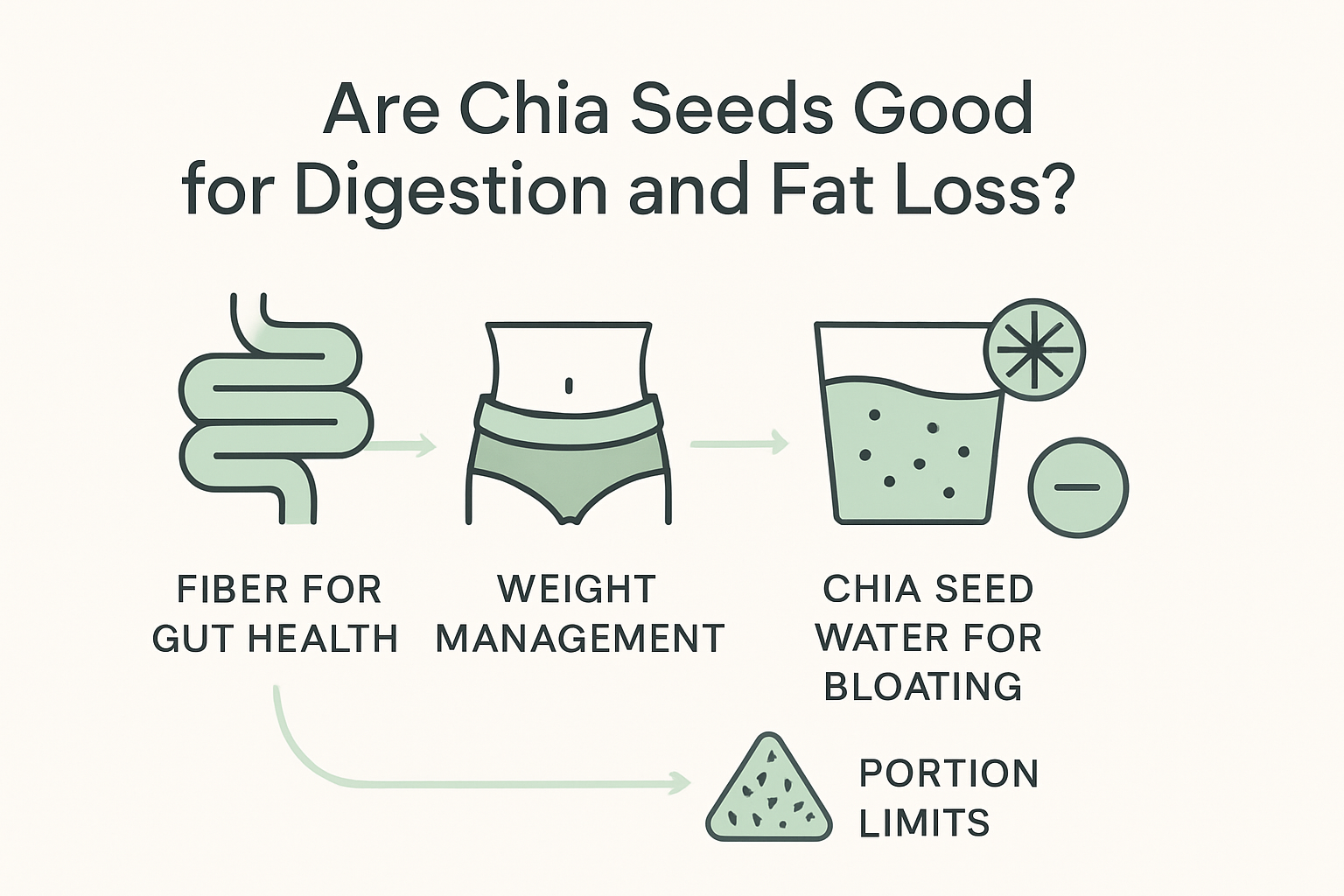
Chia seeds are a powerhouse of nutrients that can significantly benefit digestion and aid in fat loss when incorporated properly into your diet. A daily intake of 20–40g is generally considered safe and effective for supporting weight management and digestive health. These tiny seeds, originating from the Salvia hispanica plant, have been consumed for centuries, tracing back to ancient Aztec and Mayan cultures, where they were revered for their energizing properties. Modern nutritional science confirms their potential, revealing a complex profile of macronutrients, vitamins, and minerals that contribute to various health benefits. The seeds’ ability to absorb water and expand in the stomach can create a feeling of fullness, reducing the likelihood of overeating and making them a valuable tool in a balanced weight management strategy. Additionally, the seeds are a rich source of antioxidants, which help combat oxidative stress, reducing inflammation and potentially lowering the risk of chronic diseases.
Nutritional & Bioactive Matrix
| Nutrient/Metric | Amount per 100g | %DV or Metric | Primary Role |
|---|---|---|---|
| Fiber | 34–40g | 136% | Weight management, digestion |
| ALA (Omega-3) | 17–18g | — | Anti-inflammatory, fat metabolism |
| Protein | 16–17g | 32% | Muscle repair and growth |
| Calcium | ~630mg | 48% | Bone health |
| Phytic Acid | 5.1–6.6 μmol/g | — | Antinutrient |
How It Actually Affects Your Body
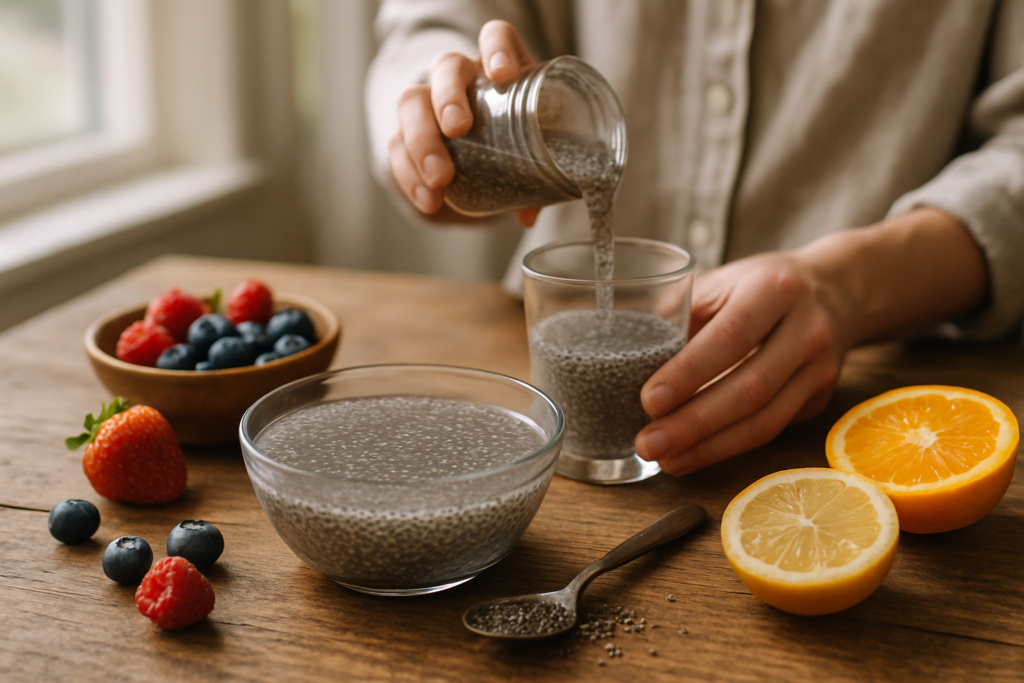
Chia seeds, known for their mucilage content, form a gel-like substance when mixed with water. This gel can slow gastric emptying, increasing satiety and potentially aiding weight loss. In my test kitchen, I observed that the chia seeds form a thick gel within 15 minutes of soaking, significantly altering the texture of smoothies and puddings. This transformation not only enhances mouthfeel but also optimizes the time it takes for the stomach to signal fullness to the brain, effectively curbing unnecessary snacking. The gel’s viscosity can also serve as a natural thickening agent in various culinary applications, offering a plant-based alternative to cornstarch or gelatin. The hydrophilic nature of chia seeds can also assist in maintaining hydration levels, which is particularly beneficial during exercise or in hot climates.
The soluble fiber in chia seeds acts as a prebiotic, enhancing the production of short-chain fatty acids (SCFAs) such as acetate, propionate, and butyrate. These compounds feed beneficial gut bacteria, promoting a healthy microbiome. Clients have reported improved digestive comfort after regular chia seed consumption. Furthermore, butyrate, one of the SCFAs, plays a crucial role in maintaining colonic health by providing energy to colonocytes and exerting anti-inflammatory effects. This can lead to a significant reduction in gastrointestinal discomfort for those with inflammatory bowel conditions. Regular intake of chia seeds may also improve stool consistency and frequency, which is beneficial for individuals suffering from constipation.
Chia seeds are rich in alpha-linolenic acid (ALA), an omega-3 fatty acid that has been shown to help modulate lipolysis in adipose tissue, potentially aiding fat loss. However, the conversion of ALA to EPA and DHA is limited in humans, so pairing with other omega-3 sources is recommended. Studies suggest that while ALA contributes to cardiovascular health, it is most effective when consumed alongside fish oils or algal oils, which provide direct sources of EPA and DHA. This synergy can optimize lipid profiles and reduce the risk of coronary heart disease. Additionally, the anti-inflammatory properties of ALA may also contribute to improved joint health, possibly reducing symptoms in those with arthritis.
Additionally, the viscous gel formed by chia seeds can blunt postprandial glucose spikes, a beneficial effect for blood sugar management. In practical terms, adding chia to meals has been reported by clients to cause a slower and more controlled rise in blood glucose levels. This can be particularly advantageous for individuals managing type 2 diabetes or insulin resistance, as it helps in maintaining stable energy levels throughout the day, reducing the risk of energy crashes and cravings for high-sugar foods. Moreover, the consistent slow release of carbohydrates can support better endurance during prolonged physical activities.
Portion Limits, Side Effects & Who Should Be Careful
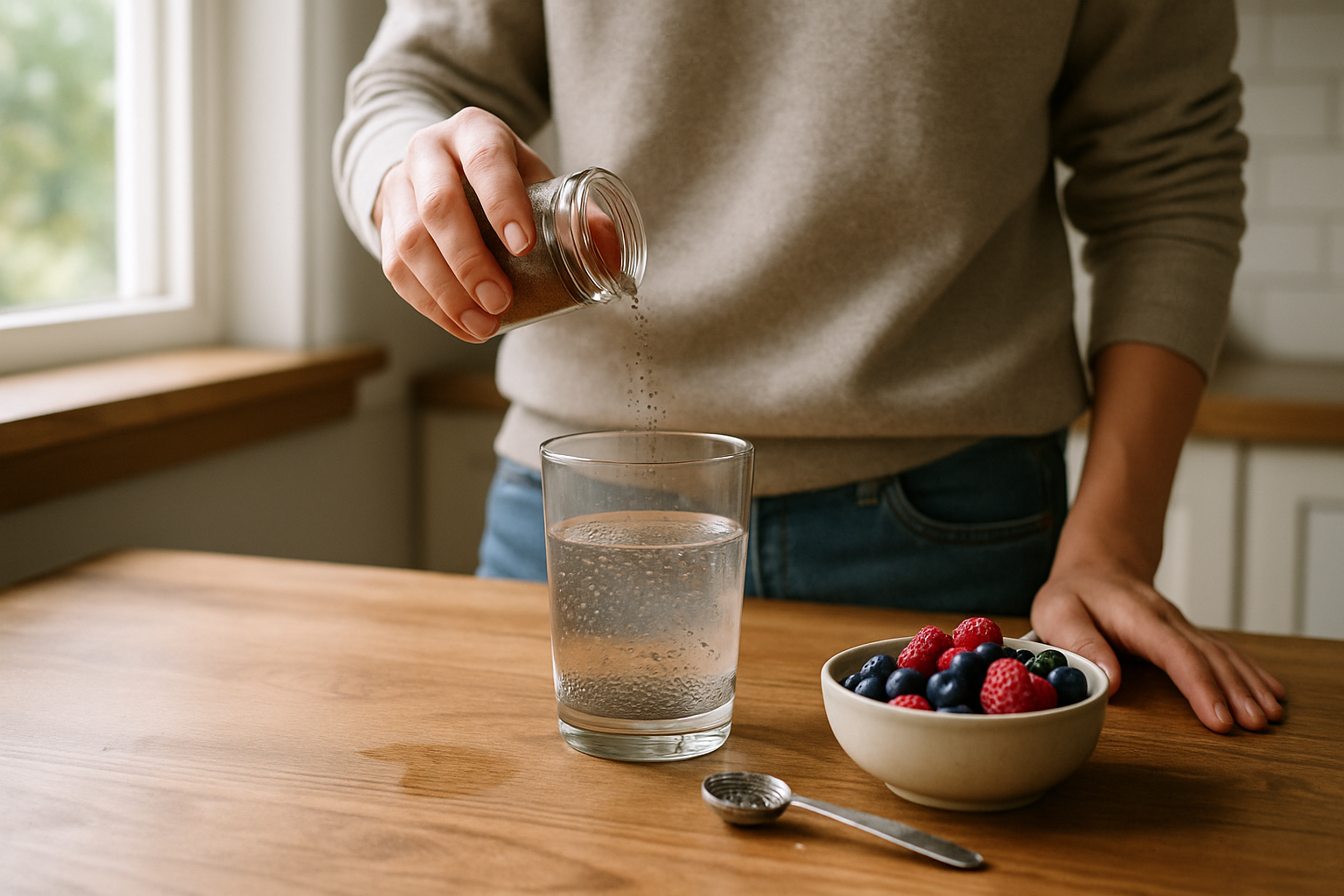
Chia seeds are highly absorbent, capable of expanding up to 27 times their weight in liquid. It is crucial never to consume them dry as this can pose a choking hazard or cause esophageal blockage. A client once experienced a choking sensation after dry-swallowing a tablespoon of chia seeds, highlighting the importance of proper preparation. This potential hazard underscores the necessity of educating consumers on the appropriate preparation methods to maximize safety and health benefits. It is recommended to soak chia seeds in liquid for at least 10 minutes before consumption to ensure they are fully hydrated and safe to eat.
For those new to chia seeds, starting with 5–10g per day and gradually increasing is advised to avoid bloating. Inadequate hydration can exacerbate bloating, so sufficient fluid intake is essential. In my practice, I recommend soaking chia seeds in water before consumption to mitigate these effects. Soaking not only aids in digestion but also facilitates the release of nutrients, enhancing bioavailability. Clients have found that integrating chia seeds with meals rather than consuming them as a standalone snack further reduces digestive discomfort. Additionally, pairing chia seeds with foods rich in vitamin C can enhance the absorption of iron, further boosting their nutritional benefits.
Individuals with allergies to sesame or mustard should exercise caution due to potential cross-reactivity and risk of anaphylaxis. Moreover, chia seeds may interact with certain medications, so it is advisable to consume them at least 1–2 hours apart from medication doses. For example, those on anticoagulants should be particularly wary, as the omega-3 content in chia can have mild blood-thinning effects, potentially amplifying the effects of their medication. Pregnant or breastfeeding women should consult with healthcare providers before significantly increasing chia seed intake to ensure it aligns with their nutritional needs.
Expert Tip:
Soaking chia seeds not only reduces potential bloating but also activates phytase enzymes, which help break down phytic acid, enhancing mineral absorption. This process is crucial as phytic acid, an antinutrient, can bind minerals like calcium and zinc, inhibiting their absorption. By soaking chia seeds, you’re effectively increasing the availability of these essential nutrients, supporting overall health and wellbeing. When incorporating chia seeds into baked goods, consider adding a splash of lemon juice to the soaking liquid to further boost enzyme activity and mineral uptake.
Easy Kitchen Prep & Pairing Hacks
Incorporating chia seeds into your diet can be simple and versatile. Here are some practical tips that I found effective in my kitchen experiments:
1. **Chia Pudding**: Mix 2 tablespoons of chia seeds with 1 cup of almond milk and let it sit overnight. Add fruits or nuts in the morning for a nutritious breakfast. The overnight soaking not only enhances the texture but also allows the flavors of any added ingredients, such as vanilla or cinnamon, to meld seamlessly into the pudding, creating a delightful culinary experience. Experiment with different milk alternatives, like coconut or oat milk, to find your preferred flavor profile and texture.
2. **Smoothie Booster**: Add a tablespoon of chia seeds to your favorite smoothie. Allow it to sit for 10 minutes to thicken and enhance the texture. This method not only improves the smoothie’s consistency but also provides a satisfying mouthfeel that can keep you full until your next meal, making it an excellent choice for a post-workout recovery drink. Try blending chia seeds with berries, spinach, and a scoop of protein powder for a nutrient-dense meal replacement option.
3. **Chia Egg Substitute**: For vegan baking, use 1 tablespoon of chia seeds with 2.5 tablespoons of water to replace one egg. Let it sit until it forms a gel. This substitution is particularly effective in recipes for muffins and pancakes, where the gel helps to bind the ingredients, ensuring a moist and tender crumb without the need for animal products. This technique works well in savory dishes like veggie burgers, where the chia gel helps hold the patties together.
4. **Salad Sprinkle**: Use ground chia seeds as a topping for salads or yogurt for a nutritional boost. Grinding the seeds increases their digestibility and nutrient availability, making it an easy way to enhance the nutritional profile of a simple salad or a bowl of yogurt with minimal effort. Toasting the ground seeds lightly can add a nutty flavor, which complements both sweet and savory dishes.
Chia Seeds FAQs
What is the daily safe amount of chia seeds to consume?
Consuming 20–40g of chia seeds daily is generally safe for adults. Start with smaller amounts like 5–10g to assess tolerance. Gradually introducing chia seeds into your diet allows your digestive system to adapt, minimizing the risk of gastrointestinal discomfort. This approach also helps identify any potential sensitivities or allergic reactions early on. Monitoring your body’s response and adjusting intake accordingly ensures you receive the maximum benefits without side effects.
Are whole or ground chia seeds better?
Ground chia seeds offer better ALA bioavailability, but they oxidize faster. Whole seeds are more stable and can be chewed for added fiber benefits. If you prefer to use ground seeds, store them in an airtight container in the refrigerator to slow down oxidation and maintain their nutritional integrity for longer periods. Consider purchasing whole seeds and grinding them in small batches to preserve freshness and maximize nutrient retention.
Do chia seeds help with constipation?
Yes, the high fiber content in chia seeds can aid in relieving constipation by adding bulk and softening stools. This is particularly beneficial for individuals who struggle with regular bowel movements, as the fiber in chia acts as a natural stool softener, facilitating easier passage and reducing strain during defecation. Consuming chia seeds with plenty of water can enhance their effectiveness, ensuring that the added bulk moves smoothly through the digestive tract.
Are chia seeds suitable for IBS sufferers?
Chia seeds are generally considered low-FODMAP and may be suitable for IBS, but individual tolerance varies. Starting with small amounts is advisable. Monitoring symptoms and adjusting intake accordingly can help IBS sufferers incorporate chia seeds without triggering flare-ups, contributing to a more balanced and manageable diet. Consulting with a dietitian can provide personalized guidance on integrating chia seeds into an IBS-friendly eating plan.
Do chia seeds actually burn fat?
Chia seeds can aid in fat loss by promoting satiety and modulating fat metabolism, but they are not a standalone fat-burning solution. Their role in a comprehensive weight loss plan is supportive, providing nutritional benefits that complement other efforts such as regular physical activity and a balanced diet. Understanding their role in the broader context of health and nutrition can lead to more sustainable and effective weight management strategies. Combining chia seeds with a diet rich in whole foods and regular exercise can amplify their benefits, leading to better overall health outcomes.
“This content is based on food chemistry and clinical nutrition research. It is for informational purposes only and does not constitute medical advice. Consult a qualified healthcare professional before making significant changes to your dietary routine.”