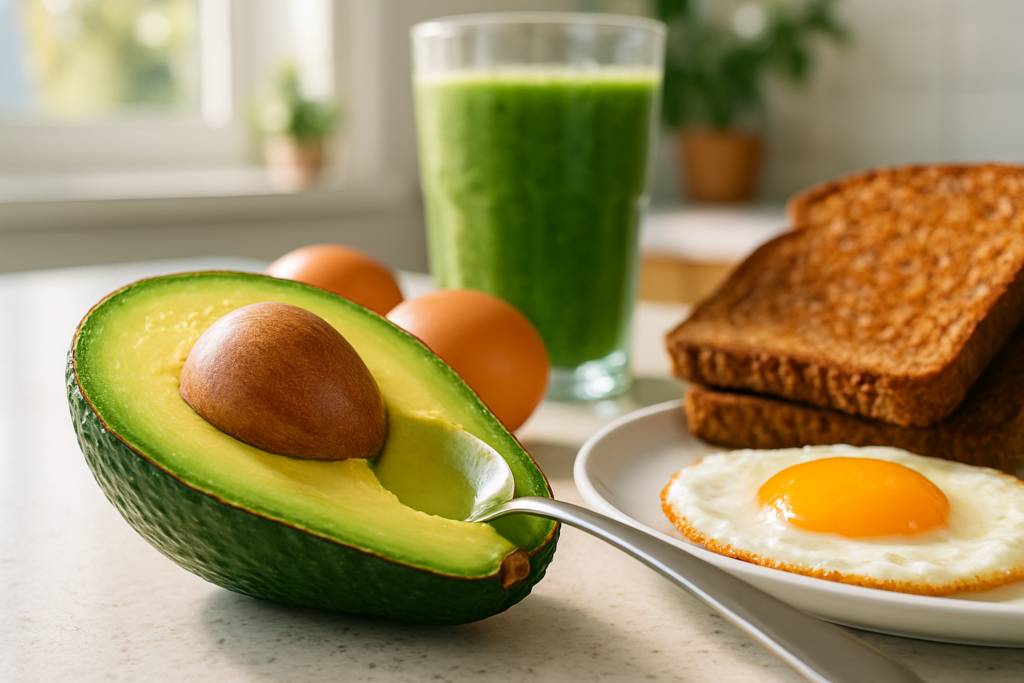
Yes, eating avocado daily can directly support your weight loss goals—provided you control your portion sizes. Packed with dietary fiber and heart-healthy monounsaturated fats, half an avocado a day increases satiety, stabilizes blood sugar, and prevents unwanted late-night snacking.
Medical Disclaimer & Quick Answer
“This content is for informational and educational purposes only and does not constitute medical or nutritional advice. Consult a qualified healthcare professional before making changes to your diet.”
Avocados are rich in healthy fats, fiber, and essential nutrients that support fat loss when eaten in moderation. While they help keep you full longer and reduce cravings, consuming them in excess may lead to a caloric surplus due to their energy density.
Nutrition Facts
Avocados provide a rich micronutrient profile essential for metabolic health. Below is the breakdown per 100g serving (approx. half a medium avocado):
| Nutrient | Amount | % Daily Value |
|---|---|---|
| Calories | 160 kcal | 8% |
| Protein | 2g | 4% |
| Total Fat | 15g | 23% |
| Carbohydrates | 9g | 3% |
| Dietary Fiber | 7g | 28% |
| Vitamin C | 10mg | 11% |
Top Health Benefits for Weight Loss
Avocados offer targeted metabolic advantages for fat loss:
- Satiety and Appetite Control: The high dietary fiber content (7g per serving) slows digestion, keeping you full longer and reducing total daily intake.
- Targets Visceral Fat: Rich in monounsaturated fatty acids (MUFAs), avocados help regulate insulin sensitivity and reduce abdominal fat storage.
- Reduces Systemic Inflammation: Packed with carotenoids and phytochemicals that fight oxidative stress and support recovery.
Potential Risks, Side Effects & Recommended Dosage
While nutrient-dense, avocados are calorie-dense and must be consumed mindfully. Individuals with latex-avocado allergies or those taking blood-thinning medication should consult a physician. The ideal intake for weight loss is half an avocado per day (approx. 80–100g).
How to Choose, Store, and Eat
Maximize nutrient retention and taste with these practical tips:
- Selection: Choose avocados that yield slightly to gentle pressure without feeling overly soft or mushy.
- Storage: Keep firm avocados at room temperature until ripe, then transfer to the refrigerator to extend shelf life by 3–5 days.
- Meal Pairing: Drizzle fresh lemon or lime juice over exposed avocado flesh to prevent oxidation and browning.
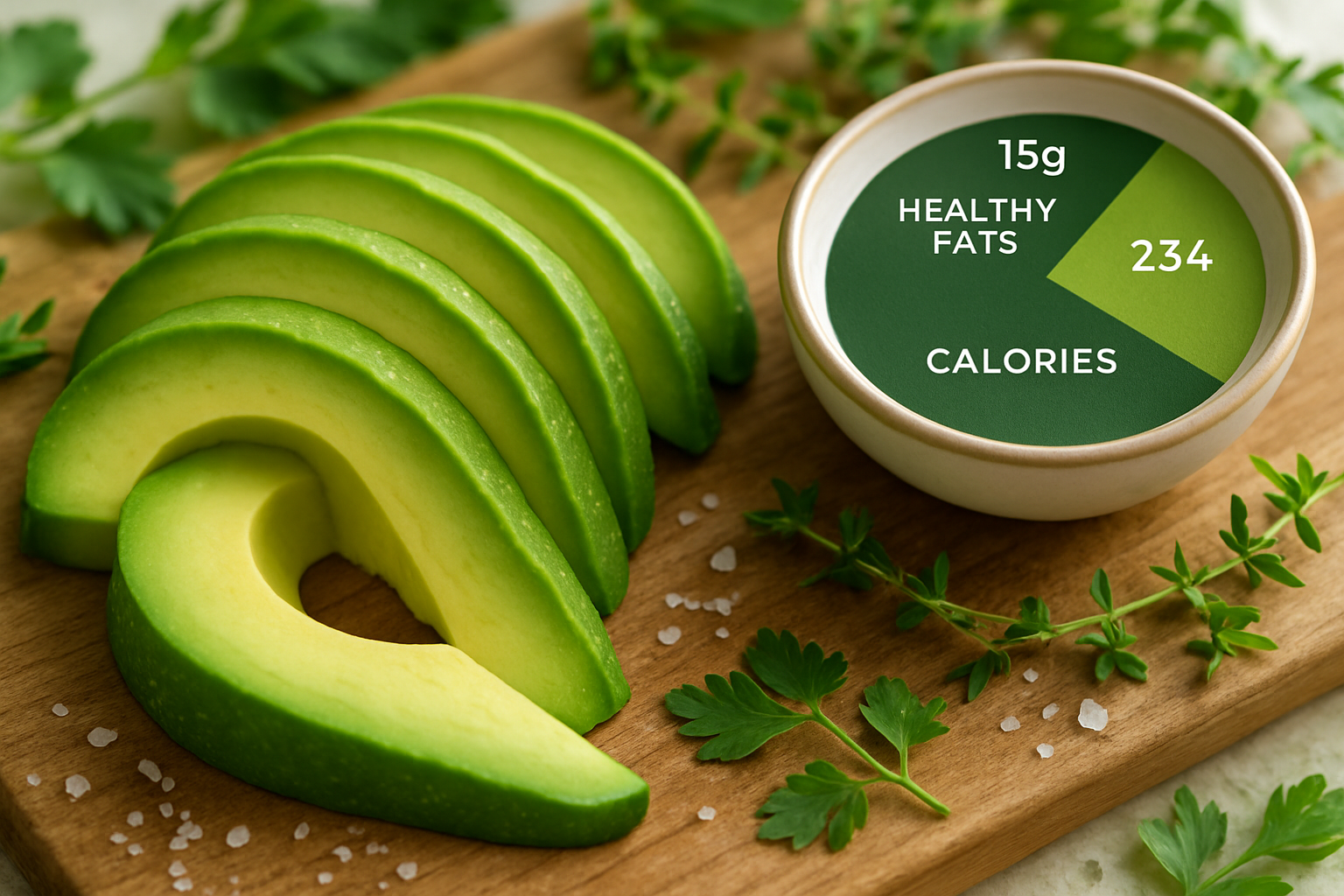
Step-by-Step Guide for Incorporating Avocado into Your Diet
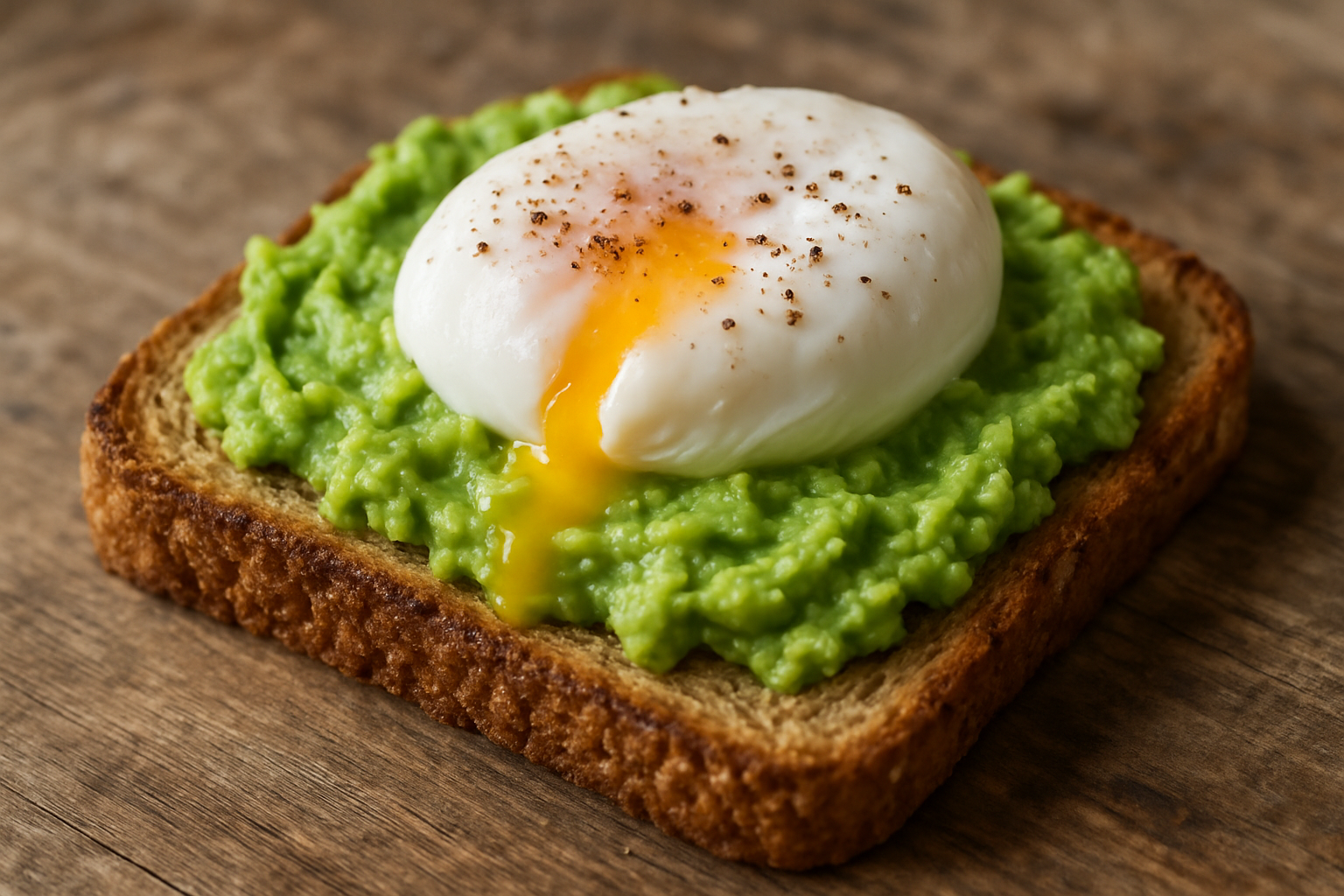
- Breakfast Boost: Add 1/4 sliced avocado to whole-grain toast with a poached egg.
- Salad Enhancer: Dice avocado into leafy green salads to improve the absorption of fat-soluble vitamins (A, D, E, K).
- Mayo Replacement: Use mashed avocado as a creamy spread on wraps instead of butter or mayonnaise.
- Protein Pairing: Serve sliced avocado alongside grilled fish or chicken for dinner.
- Creamy Smoothies: Blend 1/4 avocado into protein shakes for a rich texture without dairy.
Frequently Asked Questions (FAQ)
Does avocado make you gain weight?
Avocados themselves do not cause weight gain. However, due to their caloric density (160 kcal per 100g), eating multiple whole avocados daily without tracking total calories can lead to a surplus.
Can I eat avocado every day?
Yes. Consuming half an avocado daily fits perfectly into calorie-controlled diets, including Keto, Low-Carb, and Mediterranean plans.
Is eating avocado at night for weight loss effective?
Eating avocado at night is safe. The combination of fiber and healthy fats maintains blood sugar stability overnight, preventing late-night sugar cravings.
How does avocado help lose belly fat?
The monounsaturated fats in avocados improve insulin sensitivity and assist in reducing visceral fat accumulation when combined with a balanced diet.
What are the benefits of avocado for women’s health?
Avocados support hormonal balance, skin elasticity, and bone health due to their high concentration of folate, potassium, and fat-soluble vitamins.