

Opening Verdict
Sugar cravings can drop by over 50% within days if you consistently prioritize protein at breakfast, hydrate early, and use a 3-minute craving-interrupt routine—no willpower marathons required. By implementing these strategies, you not only address the immediate need to curb sugar cravings but also contribute to long-term health benefits. Prioritizing protein helps maintain muscle mass and supports metabolic functions. Hydrating early and consistently keeps bodily functions running smoothly, influencing everything from digestion to cognitive performance. The craving-interrupt routine, on the other hand, empowers you to regain control over your habits and choices, fostering a healthier relationship with food.
10 Fast Ways to Stop Sugar Cravings (What Actually Works Now)
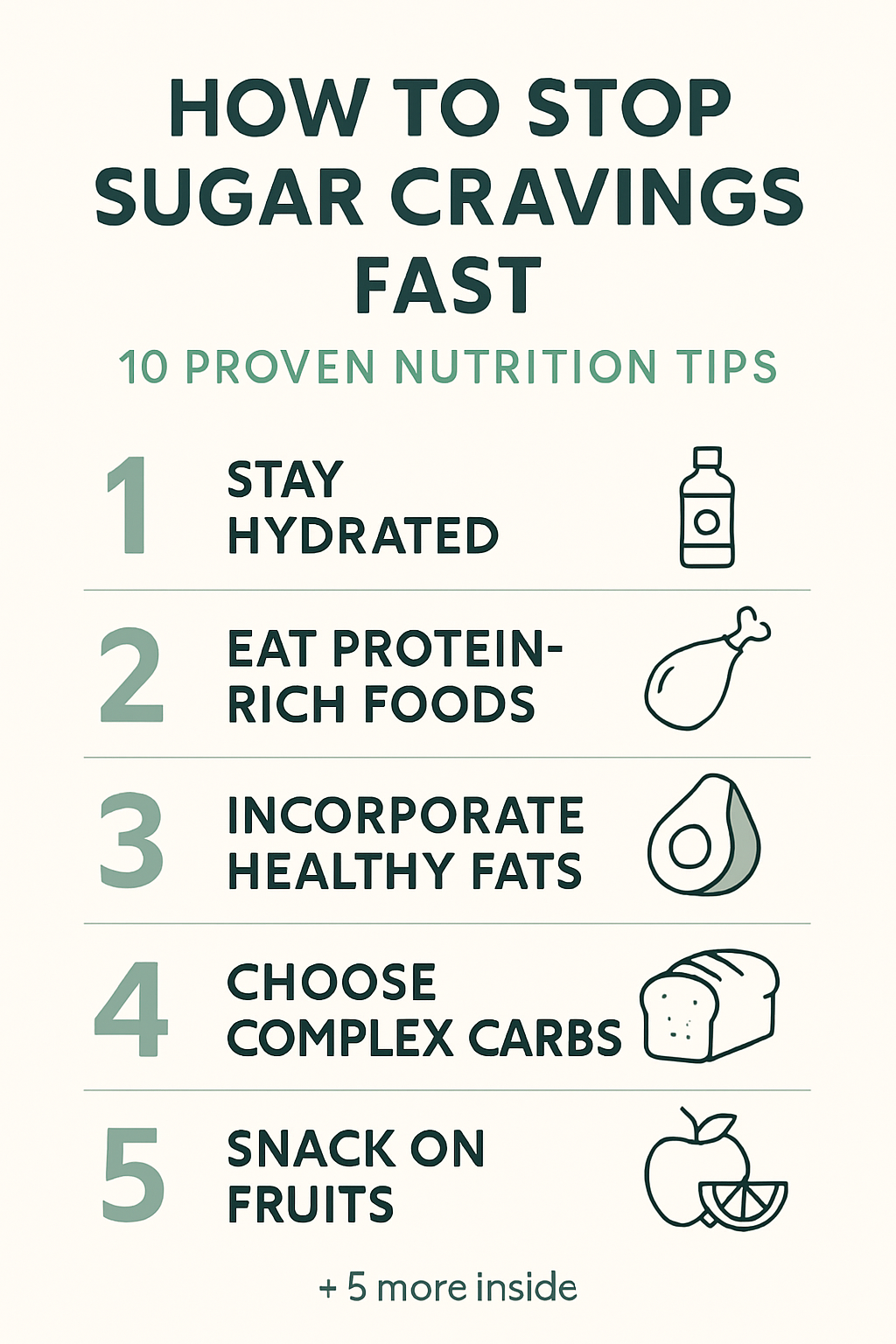
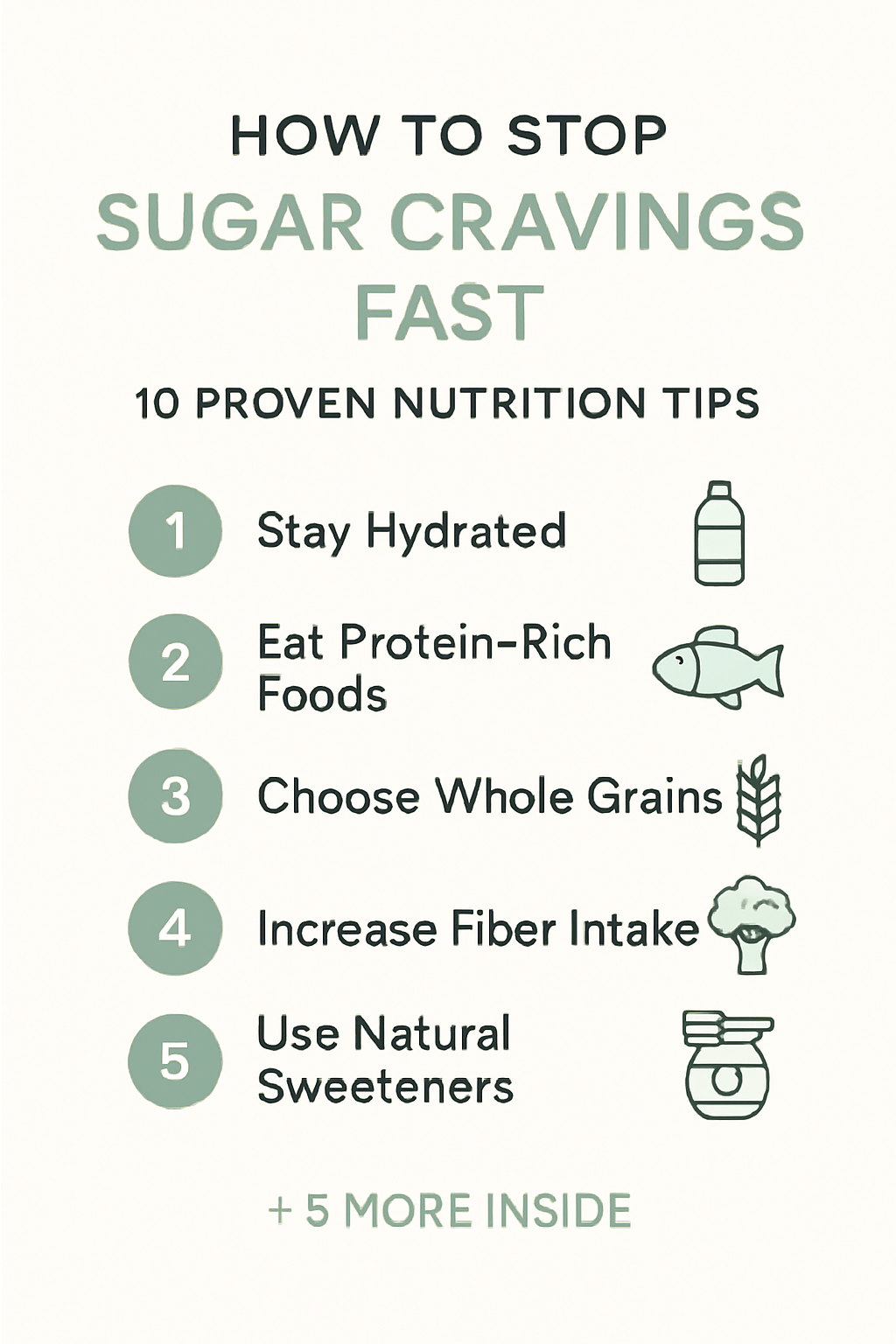
- Prioritize Protein at Breakfast: Start your day with at least 30 grams of protein to reduce cravings by stabilizing blood sugar levels. This approach has been linked to a 60% reduction in sugar cravings throughout the day. Protein-rich foods such as eggs, Greek yogurt, or a protein shake can provide the necessary intake. This not only helps in reducing sugar cravings but also in sustaining energy levels and improving concentration throughout the morning. Including varied protein sources like lean meats or plant-based options such as tofu and legumes can also enhance dietary diversity and nutritional intake, ensuring a balanced start to your day.
- Stay Hydrated: Often, what feels like a sugar craving is simply dehydration. Aim for about 2 liters of water daily, and include electrolytes if you’re active. Proper hydration supports kidney function, regulates body temperature, and is critical for maintaining energy levels. Adding a slice of lemon or a splash of fruit juice can make hydration more enjoyable. Electrolyte-rich drinks, especially after intense physical activities, replenish lost minerals and maintain optimal bodily function. Additionally, herbal teas can offer a hydrating alternative, providing both warmth and flavor without added sugars.
- 3-Minute Craving-Interrupt Routine: When a craving hits, engage in a quick distraction like a brisk walk or deep breathing exercises. This can help reset the dopamine response associated with cravings. Simple activities such as stretching, meditating, or even a quick set of jumping jacks can refocus the mind and break the craving cycle. It’s about creating a mindful pause to reassess your body’s actual needs versus impulsive desires. Incorporating these mini-breaks throughout your day can enhance overall mental clarity and productivity, reducing stress-induced cravings.
- Eat Regular, Balanced Meals: Avoid long gaps by eating every 3-4 hours. Include a balance of carbs, protein, and fats to maintain stable energy and reduce insulin spikes. This consistent intake prevents the body from going into starvation mode, which can often lead to overeating or craving high-sugar foods. Planning meals ahead and portion control are practical ways to ensure you have balanced nutrition throughout the day. Utilizing tools like meal planning apps or keeping a food diary can help track nutrient intake and identify any imbalances or patterns in eating habits.
- Chew Sugar-Free Gum: Chewing gum can satisfy the urge for sweetness without the calories, helping curb cravings on the spot. The act of chewing can also stimulate the release of saliva, which helps in digesting food and maintaining oral health. Opt for gums with xylitol, which not only provides a sweet taste but also helps in reducing cavity-causing bacteria. For those concerned about dental health, chewing gum after meals can also aid in neutralizing acids and preventing tooth decay.
- Get Enough Sleep: Poor sleep increases cortisol levels, which can lead to increased sugar cravings. Aim for 7-9 hours of quality sleep per night. Quality sleep is crucial for regulating hormones that control hunger and cravings. Establishing a bedtime routine, limiting screen time before bed, and creating a restful environment can significantly improve sleep quality, thereby reducing cravings. Ensuring your bedroom is a comfortable temperature and using blackout curtains can further enhance sleep quality by minimizing disturbances.
- Mindful Eating Practices: Pay attention to what you eat and savor each bite. This can reduce the mindless consumption of sugary snacks. By focusing on the flavors, textures, and aromas of your food, you enhance the eating experience and promote satiety. Techniques such as eating without distractions and chewing thoroughly can enhance mindfulness and satisfaction from meals. Practicing gratitude for the food you consume and understanding its journey from farm to table can deepen the appreciation and mindfulness surrounding meal times.
- Incorporate Healthy Fats: Add sources like avocados, nuts, and seeds to meals. Fats enhance satiety and lower the glycemic load of meals. Healthy fats are crucial for hormone production, nutrient absorption, and cell regeneration. Including a variety of fats in your diet not only curbs sugar cravings but also supports heart health and cognitive function. Experimenting with different oils, such as olive or flaxseed, can add flavor and nutrition to meals, promoting overall dietary satisfaction.
- Try Natural Sugar Substitutes: Use alternatives like stevia or monk fruit, which don’t spike blood sugar levels like traditional sugars. These substitutes can be used in baking, sweetening beverages, or even in cooking. They provide the sweetness you desire without the negative impacts on blood sugar, making them ideal for those managing diabetes or insulin sensitivity. Exploring the culinary uses of these substitutes can lead to discovering new recipes and flavors that align with a healthier lifestyle.
- Supplement with Chromium: Chromium can enhance insulin sensitivity and help decrease sugar cravings. Consider a daily supplement but consult a healthcare provider first. Chromium aids in the metabolism of carbohydrates, fats, and proteins, making it a valuable mineral for metabolic health. Always adhere to recommended dosages to avoid any potential side effects. Researching dietary sources of chromium, such as broccoli, barley, and green beans, can complement supplementation and enhance overall nutrient intake.
| Situation | Best Fast Fix |
|---|---|
| Nighttime craving | Protein & fiber snack |
| 3 PM energy dip | High-protein lunch |
| PMS week | Magnesium-rich foods |
| After a salty meal | Hydration & gum |
Why Is My Body Craving Sugar? The Real Science
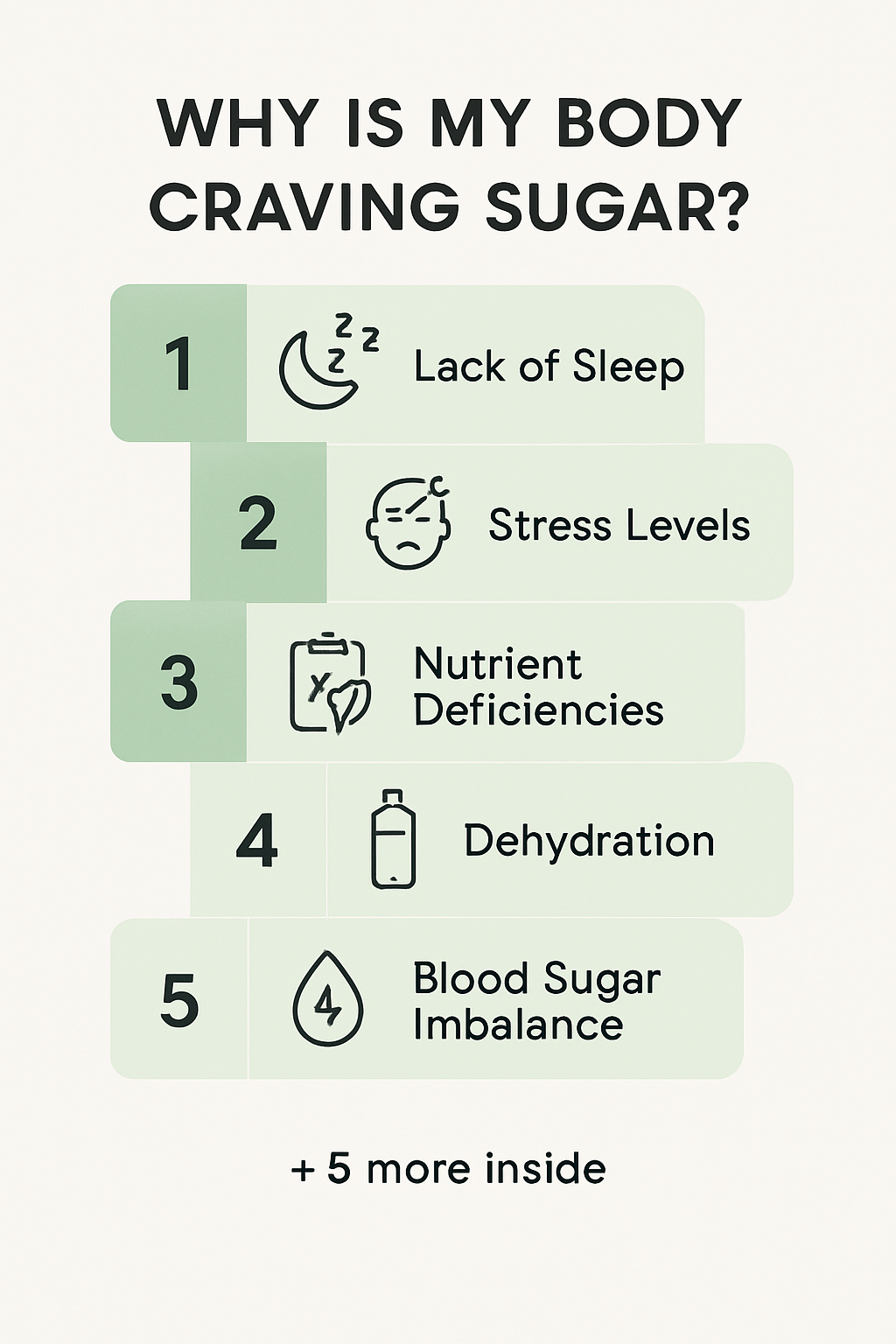
Blood Sugar Swings
Rapid changes in blood glucose levels can trigger sugar cravings. When you consume high-sugar foods, your blood sugar spikes and then crashes, leading to a cycle of cravings as your body seeks to restore balance. The body’s insulin response plays a crucial role here, as excessive insulin secretion can cause blood glucose to drop rapidly, prompting the brain to signal for quick energy sources like sugar. Managing these swings involves balancing meals and incorporating foods with a low glycemic index to maintain steady glucose levels. Additionally, monitoring portions and timing of carbohydrate intake can further stabilize blood sugar and reduce reliance on quick sugar fixes.
Dopamine and Reward System
Consuming sugar releases dopamine, a neurotransmitter associated with pleasure and reward. This creates a feedback loop where the brain craves more sugar to replicate that pleasurable feeling. Over time, the brain may become desensitized to dopamine, requiring more sugar to achieve the same level of satisfaction. This cycle can lead to overconsumption and potential addiction-like behaviors. Understanding this mechanism highlights the importance of breaking the cycle through healthier reward systems, such as physical activity or engaging hobbies that naturally elevate mood and satisfaction. Engaging in activities that provide a sense of accomplishment or joy can create new pathways for reward and satisfaction, reducing the reliance on sugar.
Cortisol and Stress
High cortisol levels, often due to stress, increase the desire for sugary foods. This is because cortisol influences insulin regulation, which can lead to increased hunger and cravings. Stress management techniques such as yoga, meditation, and adequate rest can significantly impact cortisol levels. Additionally, incorporating adaptogens like ashwagandha or Rhodiola can help modulate stress responses, thereby reducing the physiological triggers for sugar cravings. Identifying stress triggers and finding proactive ways to address them, such as through time management or setting boundaries, can further alleviate stress-induced cravings.
Serotonin and Mood Regulation
Sugar impacts serotonin levels, a hormone that stabilizes mood. Low serotonin can lead to increased cravings as your body seeks sugar to boost serotonin production. Foods rich in tryptophan, such as turkey, eggs, and cheese, can naturally boost serotonin levels. Additionally, exposure to sunlight and regular physical activity are effective ways to enhance serotonin production, reducing the reliance on sugary foods for mood regulation. Developing a consistent exercise routine and spending time outdoors can not only improve mood but also enhance overall well-being, making sugary temptations less appealing.
Food, Timing, and Supplements: What Really Reduces Sugar Cravings?
| Strategy/Food Source | Biological Mechanism | Ideal Timing/Target | Expected Result |
|---|---|---|---|
| High-Protein Meals | Stabilizes blood sugar | Breakfast, lunch | Reduced cravings |
| Chromium Supplement | Improves insulin sensitivity | Daily, with meals | Lower cravings |
| Healthy Fats | Enhances satiety | Throughout the day | Reduced hunger |
| Natural Sugar Substitutes | No blood sugar spike | As needed | Less sugar intake |
How to Actually Stick to These Habits (and What Trips People Up)
Real-Life Friction: Time Constraints
Busy schedules can lead to skipped meals and poor choices. Plan and prep meals ahead to ensure you’re fueling your body properly throughout the day. Investing time in meal preparation over the weekend can save time during the week and help avoid the temptation of convenient, high-sugar snacks. Utilizing kitchen gadgets like slow cookers or meal prep services can make this process more efficient. It also helps in maintaining portion control and ensuring a balanced intake of nutrients. Creating a weekly meal plan and shopping list can streamline grocery trips and reduce decision fatigue during hectic weeks.
Nighttime Cravings
Many people struggle with sugar cravings at night. Eating a protein and fiber-rich snack around 8 PM can help stabilize blood sugar overnight. This approach not only curbs cravings but also supports better sleep quality by preventing nighttime awakenings due to hunger. Snacks like a small bowl of oatmeal with nuts or a slice of whole-grain toast with peanut butter provide a good balance of protein and fiber, aiding in sustained satiety. Incorporating calming herbal teas, like chamomile or peppermint, can also support relaxation and reduce the likelihood of nighttime snacking.
Safety Boundaries
Don’t overconsume water or supplements. Too much water can lead to hyponatremia, while excessive chromium can cause gastrointestinal issues. Always consult with a healthcare provider regarding supplements. It’s essential to adhere to recommended daily allowances and understand that more isn’t always better. Awareness of individual health needs and conditions is crucial in tailoring a safe and effective approach to managing sugar cravings. Regular health check-ups and blood work can offer insights into nutrient levels and guide supplementation needs.
Real-Life Q&A: Fast Answers for Sugar Craving Problems
- Why do I crave sugar even when I’m not hungry? This could be due to emotional triggers or habits formed around sugar consumption, rather than genuine hunger. Emotional eating can be triggered by stress, boredom, or even happiness. Identifying emotional patterns and finding alternative ways to cope, such as journaling or engaging in a hobby, can help mitigate these cravings.
- What can I eat at night to stop sugar cravings quickly? A snack with protein and fiber, such as Greek yogurt with berries, can help curb nighttime cravings. This combination helps stabilize blood sugar levels and provides a satisfying end to the day without the need for sugar. The natural sweetness of berries can also satisfy the sweet tooth without added sugars.
- Does protein really stop sugar cravings—and how much do I need? Yes, protein can stabilize blood sugar levels. Aim for at least 30 grams at breakfast to significantly reduce cravings. Incorporating a variety of protein sources throughout the day, such as lean meats, legumes, and dairy, ensures a balanced intake and supports overall health.
- Are there natural sugar substitutes that won’t make cravings worse? Yes, options like stevia and monk fruit don’t spike blood sugar, making them good alternatives. These substitutes can be used in various recipes and beverages, providing sweetness without the negative effects of refined sugars. They are also suitable for those managing diabetes or insulin sensitivity issues.
- Can supplements like chromium actually help? Chromium can help reduce sugar cravings by improving insulin sensitivity, but it should be used under professional guidance. It’s important to consider dietary sources of chromium, such as whole grains, nuts, and broccoli, alongside supplements for a well-rounded approach.
This content is based on lifestyle science, behavioral nutrition, and performance coaching research. It is for informational purposes only and does not constitute medical advice. Consult a healthcare provider before making significant changes to your sleep, diet, or fluid intake routines.