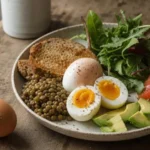
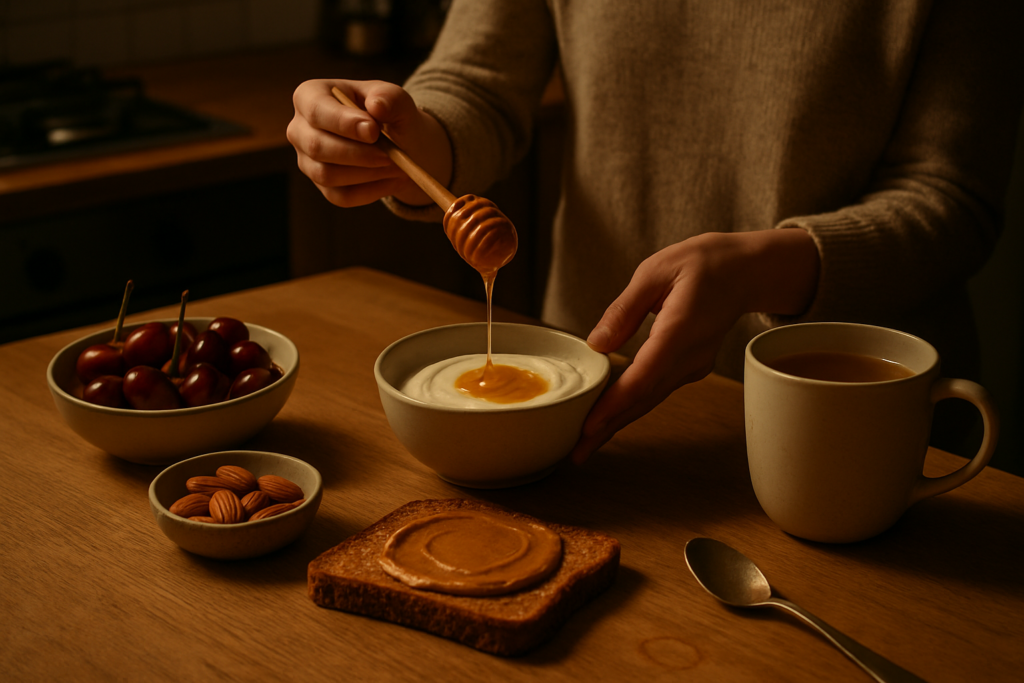
For those nights when you find yourself tossing and turning, the right bedtime snack can be the key to unlocking a restful slumber. Incorporating sleep-promoting foods into your evening routine can naturally enhance your sleep quality, helping you drift off faster and stay asleep longer. From magnesium-rich delights to tryptophan-packed snacks, here’s a coaching guide to transforming your sleep habits.
Optimizing Your Sleep with Food Choices
| Food Source | Biological Mechanism | Ideal Timing | Expected Result |
|---|---|---|---|
| Almonds | Rich in magnesium | 1 hour before bed | Improves sleep quality |
| Kiwi | Increases serotonin | 1 hour before bed | Reduces sleep onset latency |
| Chamomile Tea | Contains apigenin | 30 minutes before bed | Promotes relaxation |
| Tart Cherry Juice | High in melatonin | 1-2 hours before bed | Enhances sleep duration |
| Fatty Fish | Omega-3s and vitamin D | Dinner | Improves sleep efficiency |
| Warm Milk | Tryptophan content | 30 minutes before bed | Aids sleep onset |
| Oatmeal | Complex carbs, melatonin | 1-2 hours before bed | Increases serotonin |
| Yogurt | Probiotics, calcium | 1 hour before bed | Supports melatonin production |
What’s Actually Happening in Your Body?
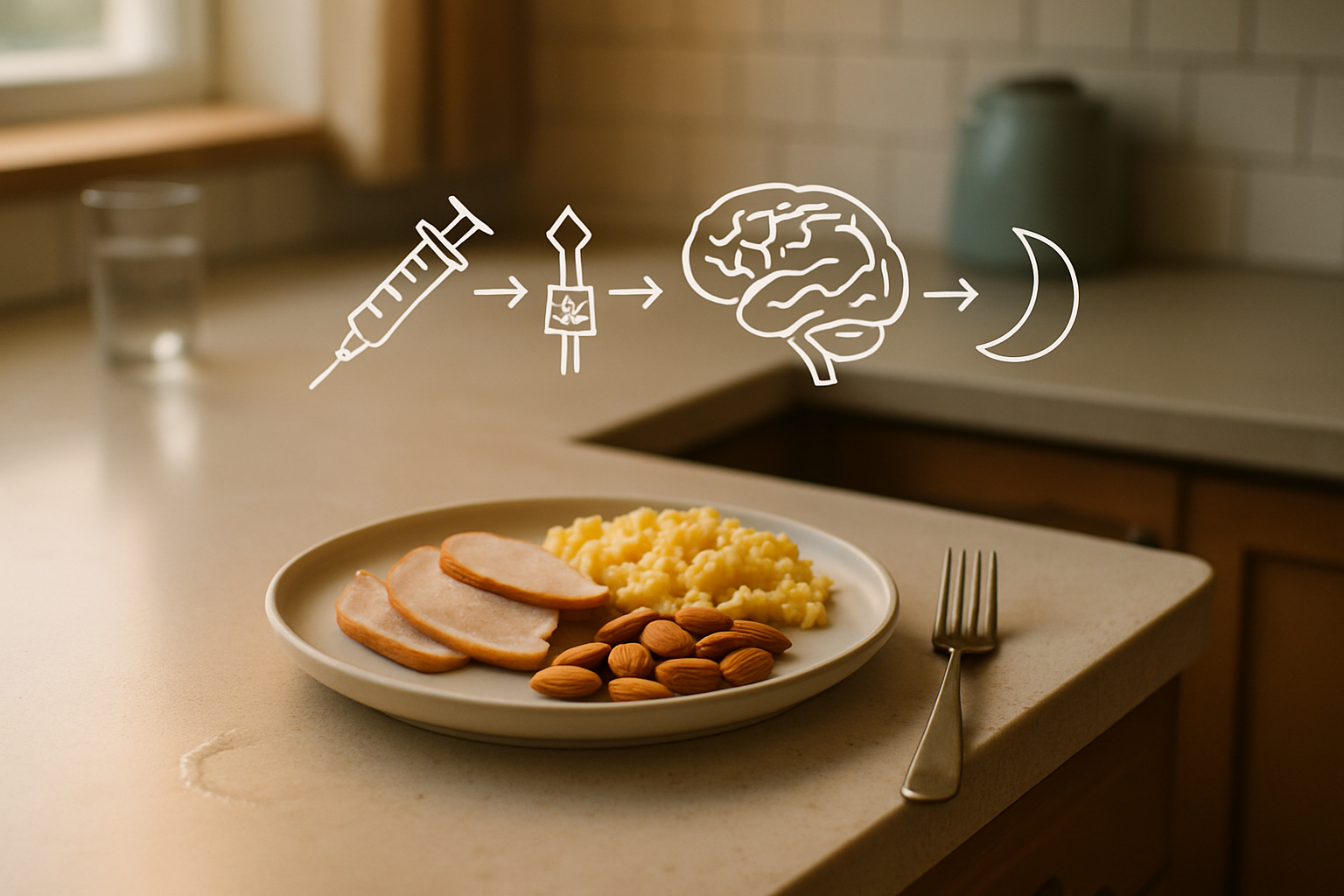
The journey from consuming certain foods to achieving deeper sleep involves a fascinating biochemical cascade. When you consume tryptophan-rich foods, such as turkey or eggs, your body begins to convert tryptophan to serotonin, a neurotransmitter that fosters relaxation. Adding complex carbohydrates like oats to your evening meal can aid this process by raising insulin levels, which helps tryptophan outcompete other amino acids for transport across the blood-brain barrier. Once in the brain, serotonin is further converted to melatonin, the hormone responsible for regulating sleep cycles.
For those evenings where you find yourself tempted by a late-night fridge raid, consider swapping out heavy meals for a mix of almonds and chamomile tea. One client once transitioned from snacking on cheese at 10 PM to this combination and reported falling asleep 20 minutes faster. Chamomile tea, in particular, contains antioxidants that may promote better overall health and, by extension, improved sleep patterns. The warm nature of the tea can also mimic a soothing bedtime ritual, signaling to your brain that it’s time to wind down.
Step-by-Step Implementation & Pitfalls
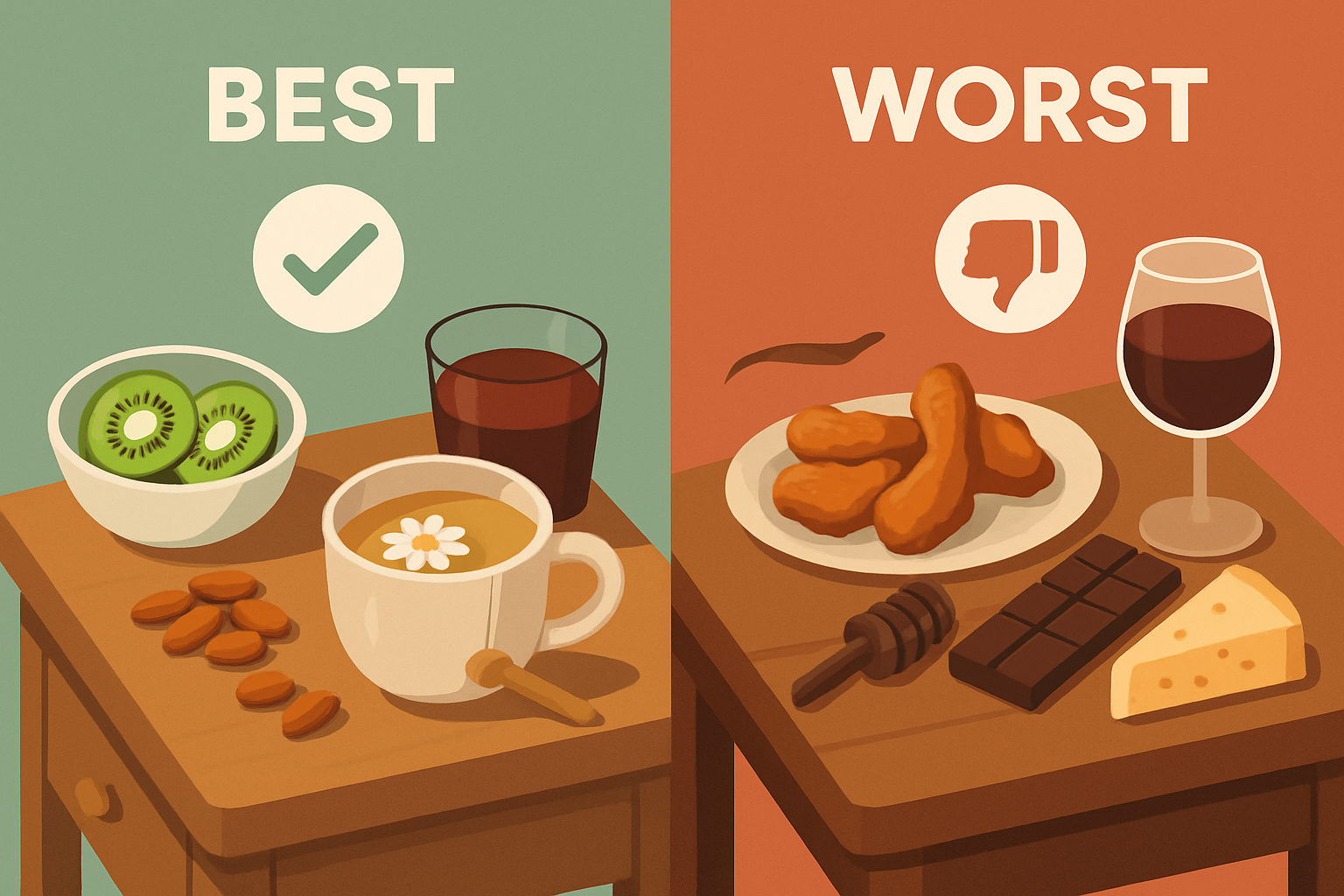
To harness the power of sleep-promoting foods, it’s crucial to time your meals and snacks appropriately. Aim to have a light snack, like two kiwis, about one hour before bed. A study cited by PubMed found that consuming two kiwis before bed reduced sleep onset latency by 35.4%, making it an excellent choice for those struggling to fall asleep quickly. The vitamin C and antioxidants in kiwi can also support overall wellness, reducing inflammation and potentially improving sleep quality.
However, it’s important to avoid consuming heavy, spicy, or acidic foods too close to bedtime, as they can trigger acid reflux and disrupt sleep. For individuals prone to GERD, avoiding food within three hours before lying down can prevent discomfort. One client with 3 AM awakenings found success by moving dinner earlier and skipping the heavy sauces. Additionally, individuals sensitive to caffeine should also be mindful of their afternoon intake, as it can linger in the body and disrupt sleep even hours later.
Reader Questions: Sleep and Nutrition
- Can I eat a banana right before bed if I have diabetes? While bananas are rich in magnesium and can promote relaxation, it’s best to consult with your healthcare provider to manage blood sugar levels appropriately. The potassium content in bananas may also help relax muscles, contributing to a more restful sleep.
- Why do I wake up at 3 AM after a pasta dinner? Consuming simple carbs like pasta can cause a glucose spike followed by a crash, leading to nocturnal awakenings. Consider adjusting your meal composition for better balance. Pair pasta with a protein source and some vegetables to slow digestion and keep blood sugar levels more stable.
- Should I take magnesium pills or get it from food? Magnesium is best absorbed through food sources like almonds and spinach. However, if you’re considering supplements, magnesium bisglycinate is well-absorbed. It’s also worth noting that magnesium supports over 300 biochemical reactions in the body, including nerve function and muscle relaxation.
- Is warm milk a myth or does it actually work? Warm milk contains tryptophan, which can aid in sleep onset. The comforting warmth can also promote relaxation. Additionally, the calcium in milk plays a role in the brain’s use of tryptophan to manufacture melatonin.
- What if I don’t like cherries or kiwi — what are good substitutes? There are plenty of alternatives like almonds, walnuts, and chamomile tea that can also support better sleep. Walnuts, for instance, contain their own source of melatonin, and almonds provide a healthy dose of magnesium, both contributing to improved sleep quality.
This content is based on lifestyle science, behavioral nutrition, and performance coaching research. It is for informational purposes only and does not constitute medical advice. Consult a healthcare provider before making significant changes to your sleep, diet, or fluid intake routines.