
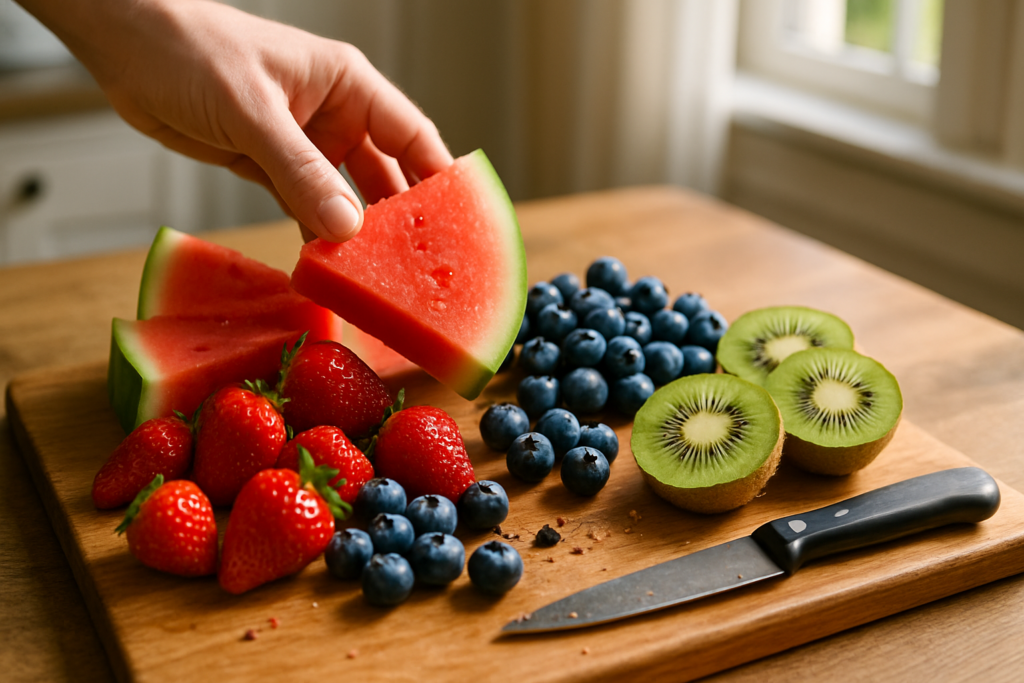
If you’re aiming for weight loss, incorporating the right fruits can be a game-changer. I’ve found the best strategy is to focus on fruits that are low in calories yet high in fiber, which helps promote satiety. Let’s dive into the top 12 low-calorie fruits that can support a sustainable weight loss journey, each offering unique nutritional benefits.
Metabolic & Nutritional Matrix
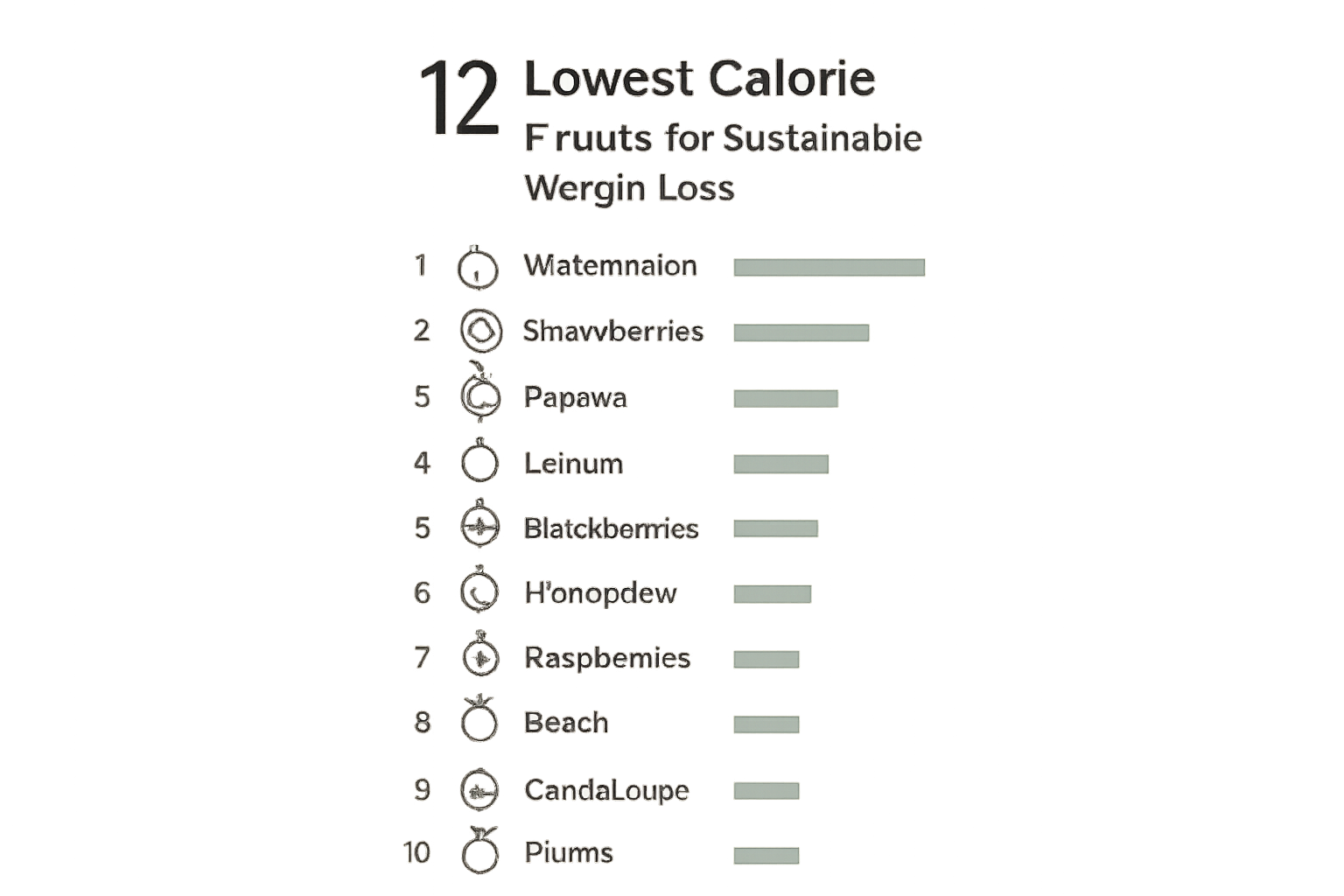
Understanding the energy density and macro ratios of fruits can guide effective weight loss strategies. Here’s a comprehensive table detailing the caloric content, primary macros, and benefits of each fruit. Each fruit offers a distinct profile that can be leveraged in different dietary contexts to optimize health outcomes. For example, the hydration benefits of watermelon are particularly useful in hot climates or post-exercise recovery, while the antioxidant properties of strawberries make them a potent choice for boosting the immune system.
| Food/Category | Calories & Primary Macro per 100g | Key Satiety/Metabolic Metric | Clinical Benefit |
|---|---|---|---|
| Watermelon | 30 kcal, Carbs | 90% water content | Hydration and satiety |
| Strawberries | 32 kcal, Carbs | High in vitamin C | Antioxidant properties |
| Peaches | 39 kcal, Carbs | Low glycemic index | Blood sugar control |
| Blackberries | 43 kcal, Fiber | 5.3g fiber per 100g | Improved digestion |
| Cantaloupe | 34 kcal, Carbs | Rich in beta-carotene | Eye health |
| Raspberries | 52 kcal, Fiber | 6.5g fiber per 100g | Enhanced fullness |
| Oranges | 47 kcal, Carbs | High vitamin C | Immune support |
| Blueberries | 57 kcal, Carbs | Anthocyanin content | Anti-inflammatory |
| Plums | 46 kcal, Carbs | Rich in sorbitol | Laxative effect |
| Grapefruit | 42 kcal, Carbs | High water content | Metabolic booster |
| Papaya | 43 kcal, Carbs | Enzymes for digestion | Digestive health |
| Apples | 52 kcal, Fiber | Pectin content | Gut microbiome support |
How This Actually Affects Your Body
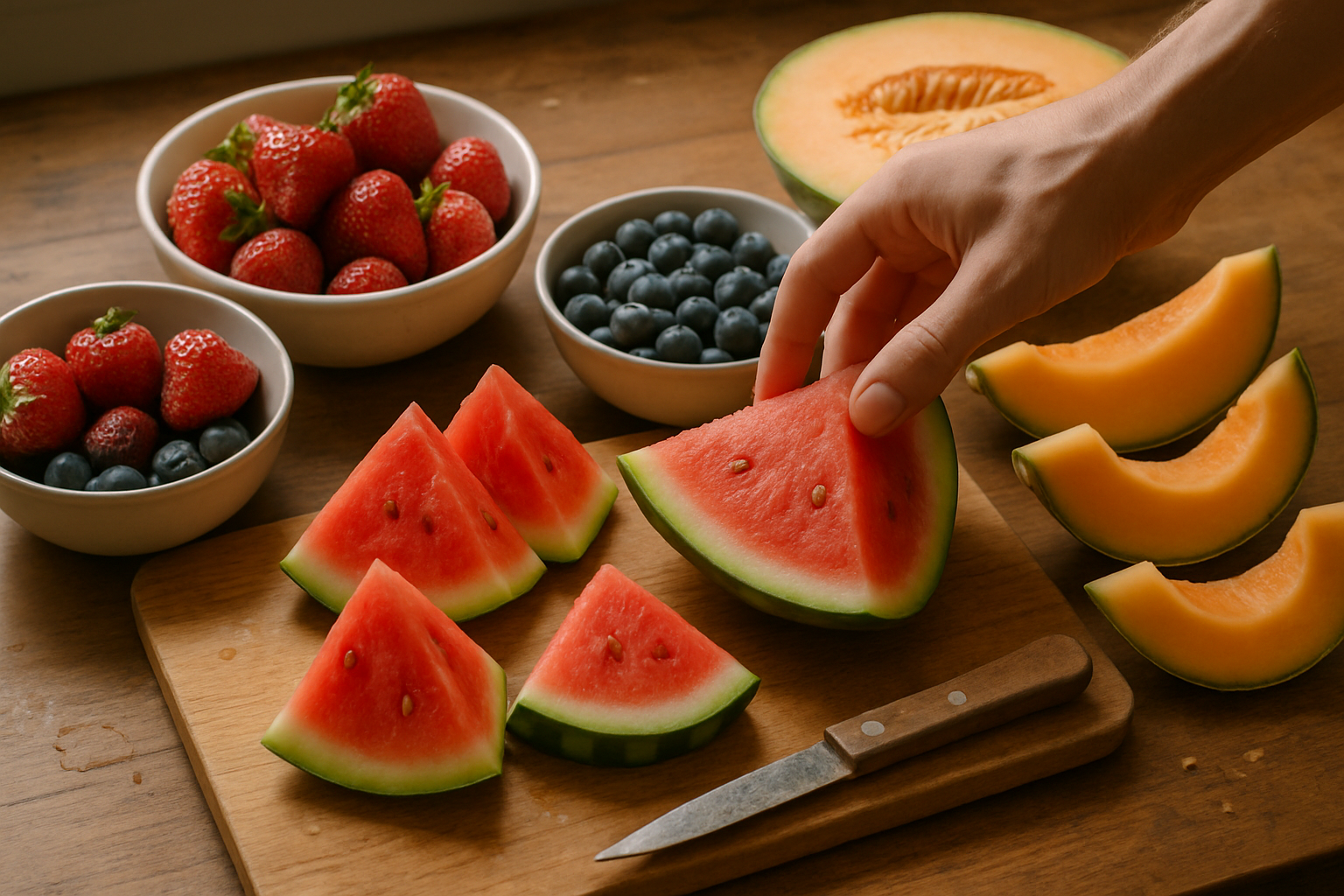
Incorporating low-calorie fruits into your diet can significantly impact your body through various physiological mechanisms:
- Thermic Effect of Food (TEF): Fruits generally have a lower TEF compared to proteins, but their fiber content can increase the energy expended during digestion. This is especially true for fruits like raspberries and blackberries, which have high fiber content. The fiber in these fruits requires more energy to break down, leading to increased calorie expenditure even while at rest.
- Satiety Signaling: The water and fiber in fruits trigger satiety hormones such as GLP-1 and PYY, reducing hunger and aiding in weight management. For instance, consuming watermelon, with its high water content, can help keep you full with fewer calories. This is because these hormones send signals to your brain indicating that enough food has been consumed, thus reducing overall calorie intake.
- Fiber Fermentation: Fruits like apples and berries undergo fermentation in the gut, producing short-chain fatty acids (SCFAs) that promote gut health and may enhance fat oxidation. SCFAs have been shown to influence gut health by fostering the growth of beneficial bacteria, which can further enhance metabolic health and potentially aid in weight loss.
- Muscle Preservation: While fruits are not high in protein, their role in maintaining a healthy diet indirectly supports muscle preservation by ensuring adequate nutrient intake without excessive calories. Consuming a variety of fruits ensures you receive a wide range of vitamins, minerals, and antioxidants, which are crucial for muscle repair and overall health.
Real-World Tracking Mistakes & Meal Distribution
Tracking errors can derail your weight loss efforts. For instance, a client once struggled because they assumed a banana was low in calories, not realizing its caloric density compared to berries. Here are some common mistakes and how to avoid them:
- Portion Misjudgment: It’s easy to underestimate the calories in dried fruits compared to fresh ones. Always check the weight and volume to ensure accuracy. For example, a small handful of dried apricots can contain more calories than a large, fresh peach due to the concentrated sugars and reduced water content.
- Timing Errors: Consuming fruits at the wrong time can lead to insulin spikes. Pair fruits with a protein source to stabilize blood sugar levels, especially for fruits like peaches and grapes. Eating a balanced meal that includes protein, fiber, and healthy fats can help mitigate the rapid absorption of sugars from fruits.
- Raw vs. Cooked: Cooking fruits can alter their sugar content and caloric density. For example, baked apples are more calorie-dense than raw ones. The cooking process breaks down the fibers, making sugars more accessible and increasing the glycemic index.
Common Questions About Low-Calorie Fruits for Weight Loss
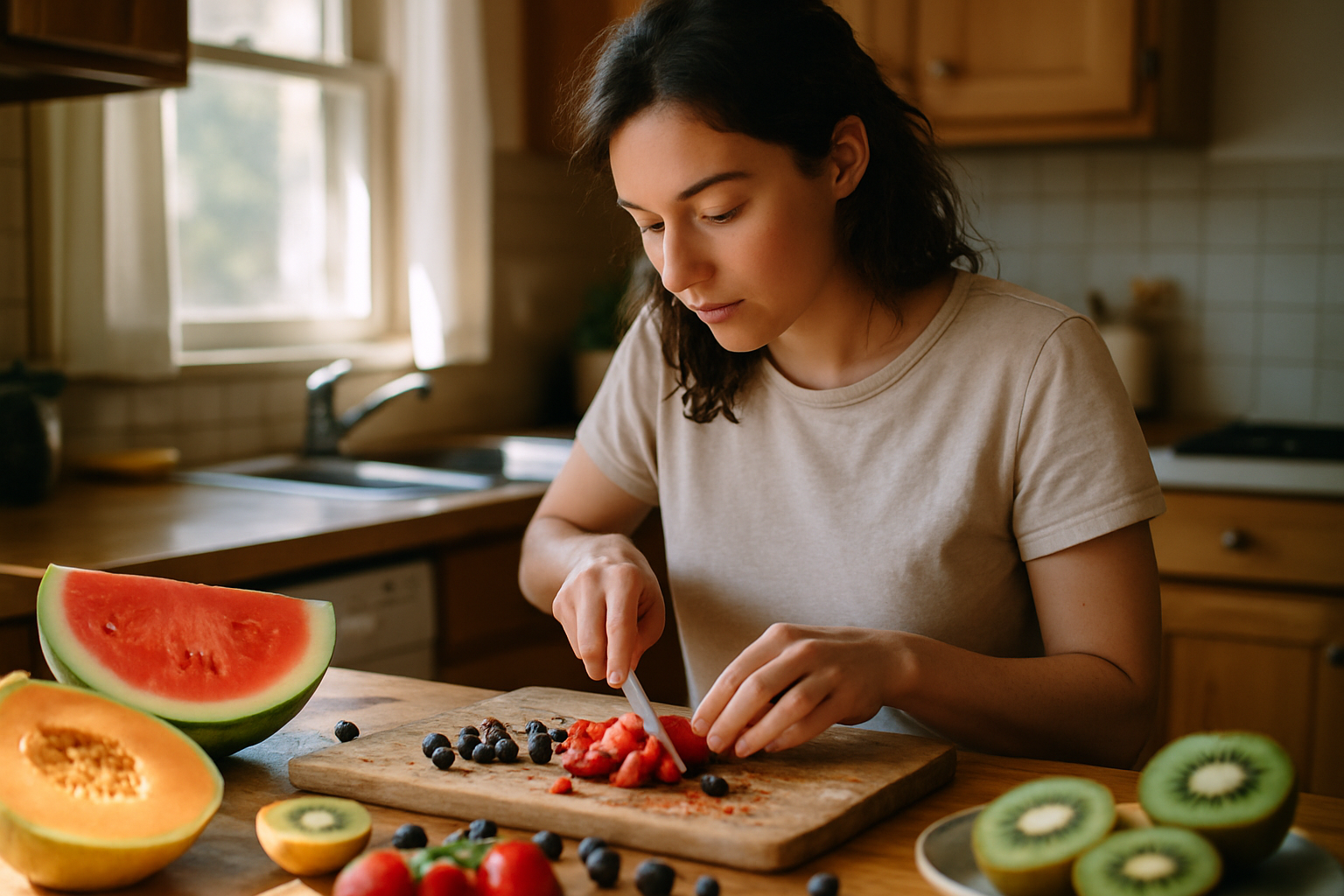
- Which fruits have the least calories and sugar? Fruits like watermelon and strawberries are among the lowest in calories and sugar, making them ideal for weight loss. Watermelon, with its high water content, provides hydration and a sweet taste with minimal caloric impact, while strawberries offer antioxidants and vitamins with similar benefits.
- What are the best low-calorie fruits for smoothies? Berries, especially strawberries and blueberries, are excellent for smoothies due to their low calorie count and high antioxidant content. Their vibrant colors and flavors can transform a basic smoothie into a nutrient-rich treat, providing essential vitamins and minerals with each sip.
- Is it possible to gain weight by eating fruits? While difficult, overconsumption of high-calorie fruits like bananas and grapes can lead to weight gain if not balanced with other low-calorie foods. It’s important to pay attention to portion sizes and to incorporate a variety of fruits to ensure a balanced intake of nutrients without excess calories.
- Are dried fruits a good option for weight loss? Dried fruits are more calorie-dense than fresh fruits, so it’s crucial to moderate portions if including them in a weight loss plan. A small serving can provide a concentrated source of energy and nutrients, but it’s easy to consume more than intended, leading to increased caloric intake.
- How can I incorporate low-calorie fruits into meal prep? Use fruits like apples and oranges in salads or as snacks to keep your meals flavorful and low in calories. Adding slices of fresh fruit to a salad can enhance the flavor profile and provide a natural sweetness, making healthy eating more enjoyable.
This content is based on nutritional physiology and energy metabolism research. It is for informational purposes only and does not constitute medical advice. Consult a qualified healthcare professional before making significant alterations to your caloric or macronutrient intake.