
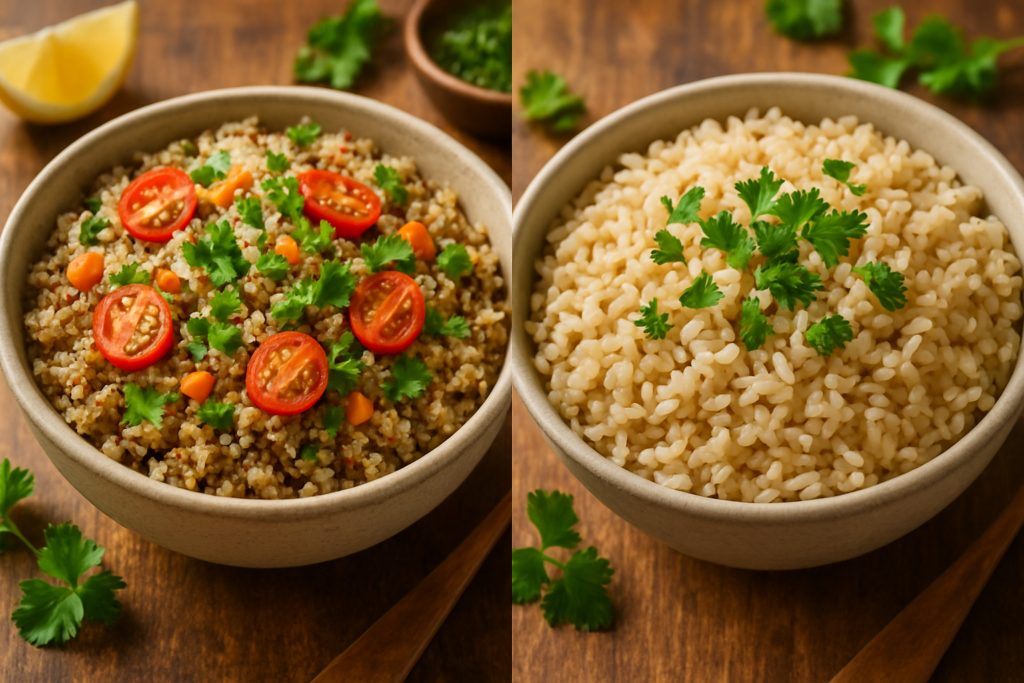
Short answer: Quinoa is generally healthier than brown rice due to its complete protein profile and lower glycemic index, offering better blood sugar control and essential amino acids. In this article, you will learn about the nutritional differences between quinoa and brown rice, including their glycemic impact, protein content, and potential health risks. We will also explore preparation techniques to reduce antinutrients and provide meal suggestions for various health goals.
Head-to-Head Nutritional Matrix
When evaluating the nutritional profile of quinoa versus brown rice, it’s essential to consider bioavailability and the full spectrum of nutrients. Despite their similarities as whole grains, they differ significantly in terms of protein quality, glycemic index, and micronutrient content.
| Metric / Nutrients (per 100g) | Quinoa | Brown Rice | Winner & Clinical Takeaway |
|---|---|---|---|
| Calories | 120 | 112 | Brown Rice – Lower calorie option |
| Protein | 4.1g | 2.6g | Quinoa – Superior protein content |
| Net Carbs | 21.3g | 23.5g | Quinoa – Lower net carbs |
| Dietary Fiber | 2.8g | 1.8g | Quinoa – More fiber |
| Magnesium | 64mg | 43mg | Quinoa – Higher in magnesium |
| Manganese | 0.6mg | 1.1mg | Brown Rice – Higher in manganese |
| Iron | 1.5mg | 0.5mg | Quinoa – Better iron source |
Biochemical Mechanisms & Performance Analysis
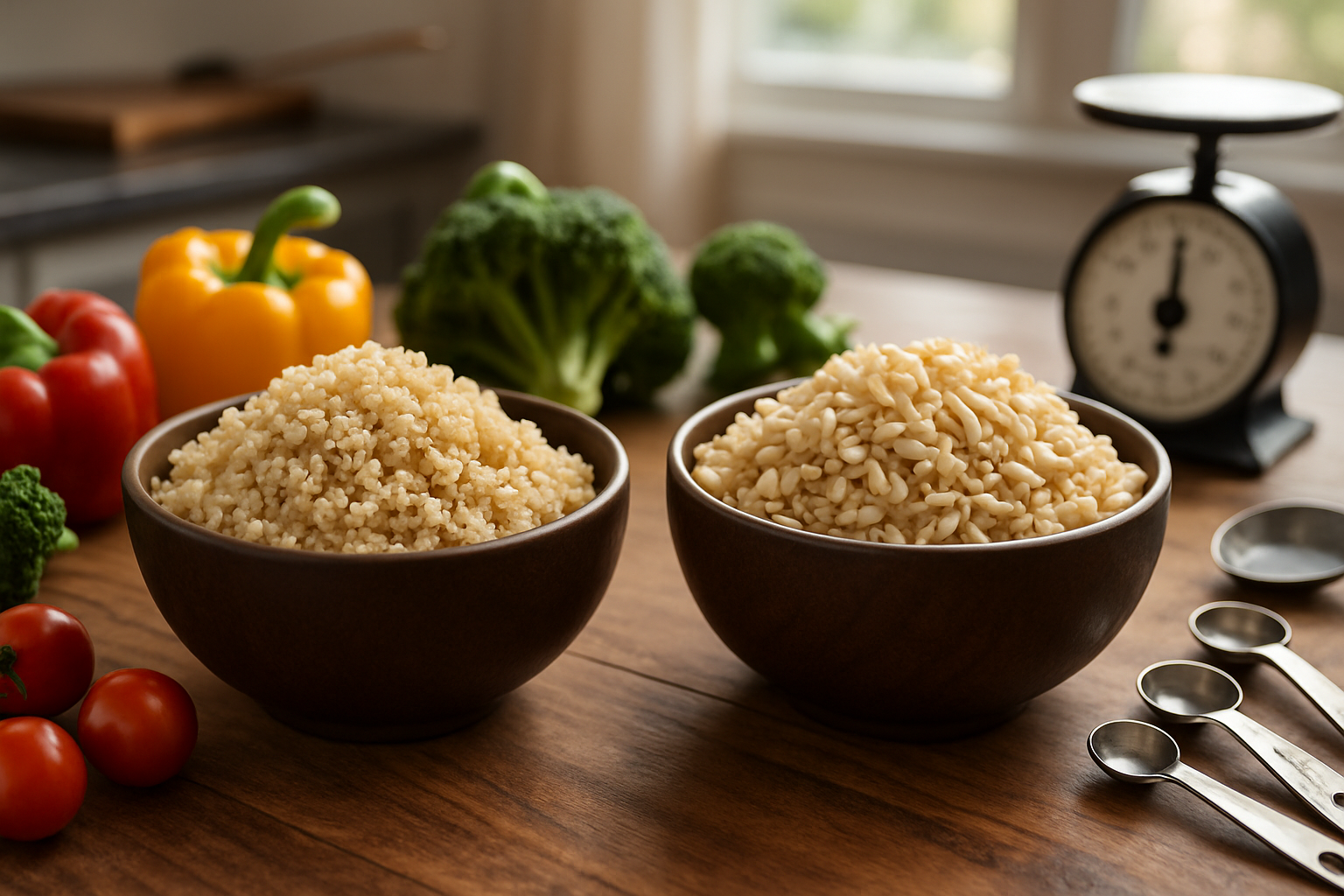
Quinoa and brown rice offer distinct biochemical advantages and challenges based on their nutritional composition. Understanding these differences can guide dietary choices for specific health objectives.
- Complete Protein vs. Incomplete Grain: Quinoa is a powerhouse with a Digestibility-Indispensable Amino Acid Score (DIAAS) providing all nine essential amino acids, including lysine and methionine, which are typically lacking in grains. In contrast, brown rice is deficient in lysine, making it an incomplete protein source.
- Glycemic Index & Diabetics: Quinoa has a glycemic index of approximately 53, while brown rice is higher at around 68. This means quinoa causes a slower rise in blood glucose levels, making it a better option for those managing insulin resistance or Type 2 diabetes.
- Antinutrients & Health Risks: Brown rice can accumulate inorganic arsenic, a significant concern for pregnant women and young children. Quinoa contains saponins, which if not properly rinsed, can irritate the gut. Both grains require careful preparation to minimize these risks.
Real Kitchen Applications, Shopping Traps & Safety
Incorporating quinoa and brown rice into your diet requires more than just considering their nutritional profiles. Practical cooking techniques and awareness of potential health risks are equally important.
Clinical FAQ Section
Questions From Our Test Kitchen & Practice
Q: Is quinoa a complete protein?
A: Yes, quinoa is a complete protein containing all nine essential amino acids, making it an excellent choice for vegetarians and vegans who need a plant-based protein source.
Q: How do I remove saponins from quinoa?
A: To remove saponins, rinse the quinoa under cold running water in a fine-mesh sieve for about 60 seconds. This process eliminates the bitter taste and potential digestive irritants.
Q: Can brown rice arsenic levels be reduced?
A: Yes, using the “pasta method” where you boil brown rice in a large volume of water and then drain it can reduce arsenic levels by up to 60% without affecting the nutrient profile.
Q: Which is better for weight loss, quinoa or brown rice?
A: Quinoa may be better for weight loss due to its higher protein content and fiber, which can enhance satiety and help maintain muscle mass during calorie deficits.
Q: What are the glycemic indexes of quinoa vs brown rice?
A: Quinoa has a lower glycemic index of approximately 53, compared to brown rice at around 68, making quinoa a better option for those managing blood sugar levels.