
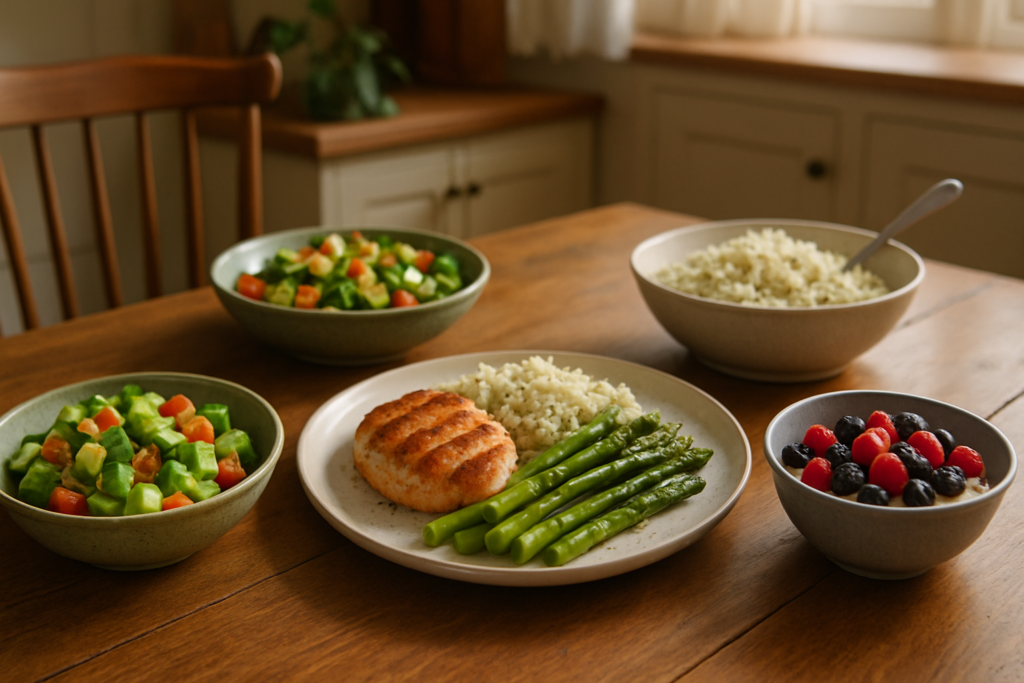
The ketogenic diet is a high-fat, ultra-low-carb eating strategy designed to force your body into ketosis—a natural metabolic state where your liver converts fatty acids into ketones to use as primary energy instead of glucose. If you are new to low-carb living, this complete 7-day keto meal plan offers an actionable, nutrient-dense roadmap for fat loss without restrictive calorie counting or chronic hunger.
“This content is for informational and educational purposes only and does not constitute medical or nutritional advice. Consult a qualified healthcare professional before starting any restrictive diet plan.”
How the Keto Diet Works & Daily Macro Targets
Normally, your body relies on dietary carbohydrates for glucose, which drives insulin secretion and fat storage. By restricting net carbohydrates to under 20–30 grams per day, you deplete glycogen stores in your muscles and liver. Within 48 to 72 hours, your metabolism switches to burning body fat and dietary lipids for fuel.
To enter and sustain ketosis successfully, your daily macronutrient ratio must closely align with these target ranges:
| Nutrient Category | Macro Target (% Calories) | Daily Goal (Grams for 1,800 kcal) |
|---|---|---|
| Healthy Dietary Fats | 70–75% | 140g – 150g |
| High-Quality Protein | 20–25% | 90g – 110g |
| Net Carbohydrates | 5–10% | 20g – 25g max |
Complete Keto Foods List: What to Eat vs. Avoid
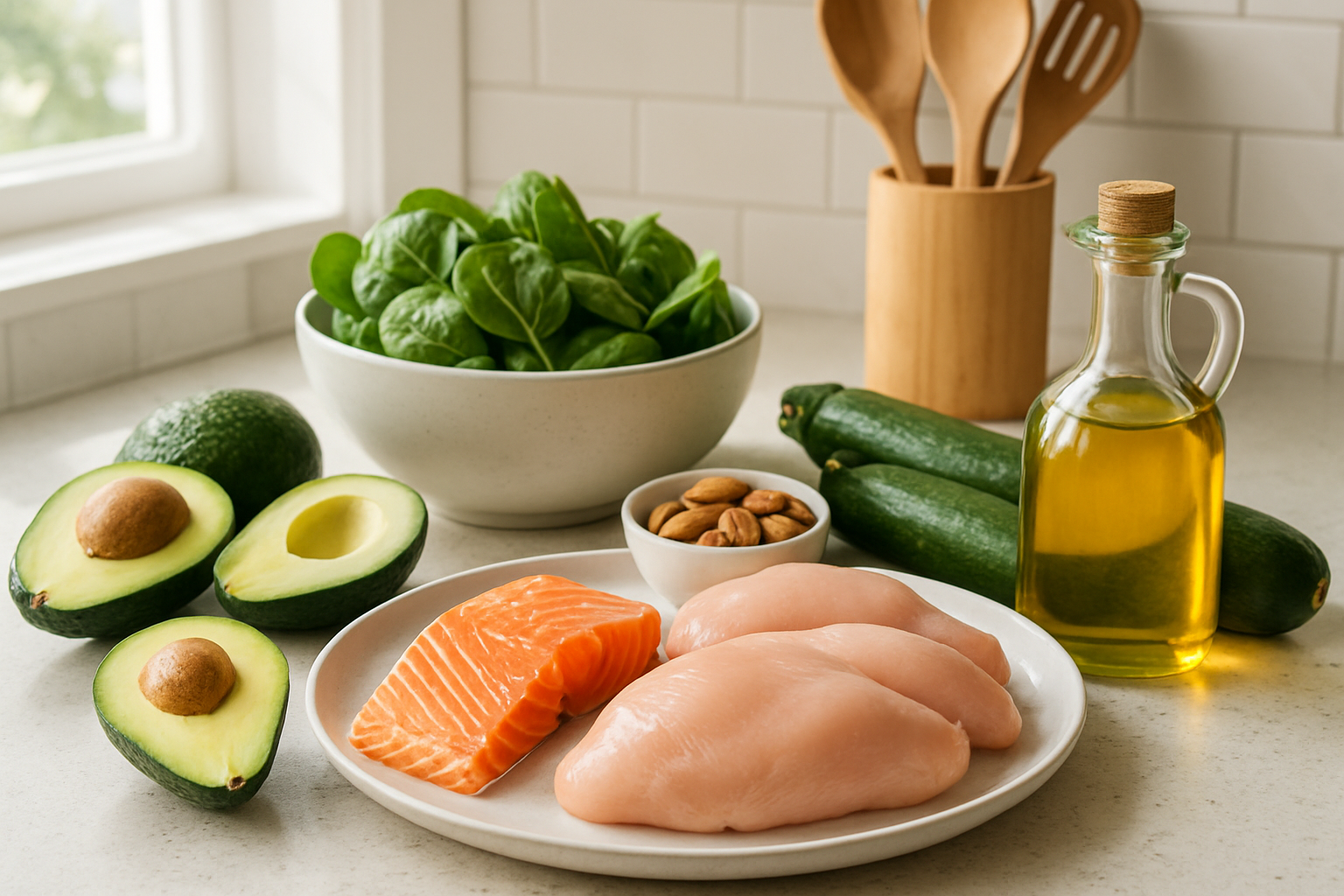
A successful keto grocery list prioritizes single-ingredient, whole foods packed with healthy fats and fiber:
| Foods to Enjoy (Keto Staples) | Foods to Avoid (Carb Traps) |
|---|---|
| Avocados, extra virgin olive oil, avocado oil, grass-fed butter, ghee | Wheat bread, pasta, white/brown rice, oats, quinoa, cereals |
| Spinach, kale, broccoli, cauliflower, zucchini, asparagus, Brussels sprouts | Sugary sodas, fruit juices, energy drinks, cocktails, beer |
| Wild salmon, ribeye, eggs, chicken thighs, pork belly, turkey | Apples, bananas, grapes, oranges, dried fruits (high fructose) |
| Cheddar, mozzarella, goat cheese, heavy cream, full-fat Greek yogurt | Beans, lentils, chickpeas, black beans, peas |
| Macadamia nuts, pecans, walnuts, chia seeds, flaxseeds | Margarine, vegetable oils, canola oil, industrial trans fats |
The Complete 7-Day Beginner Keto Meal Plan
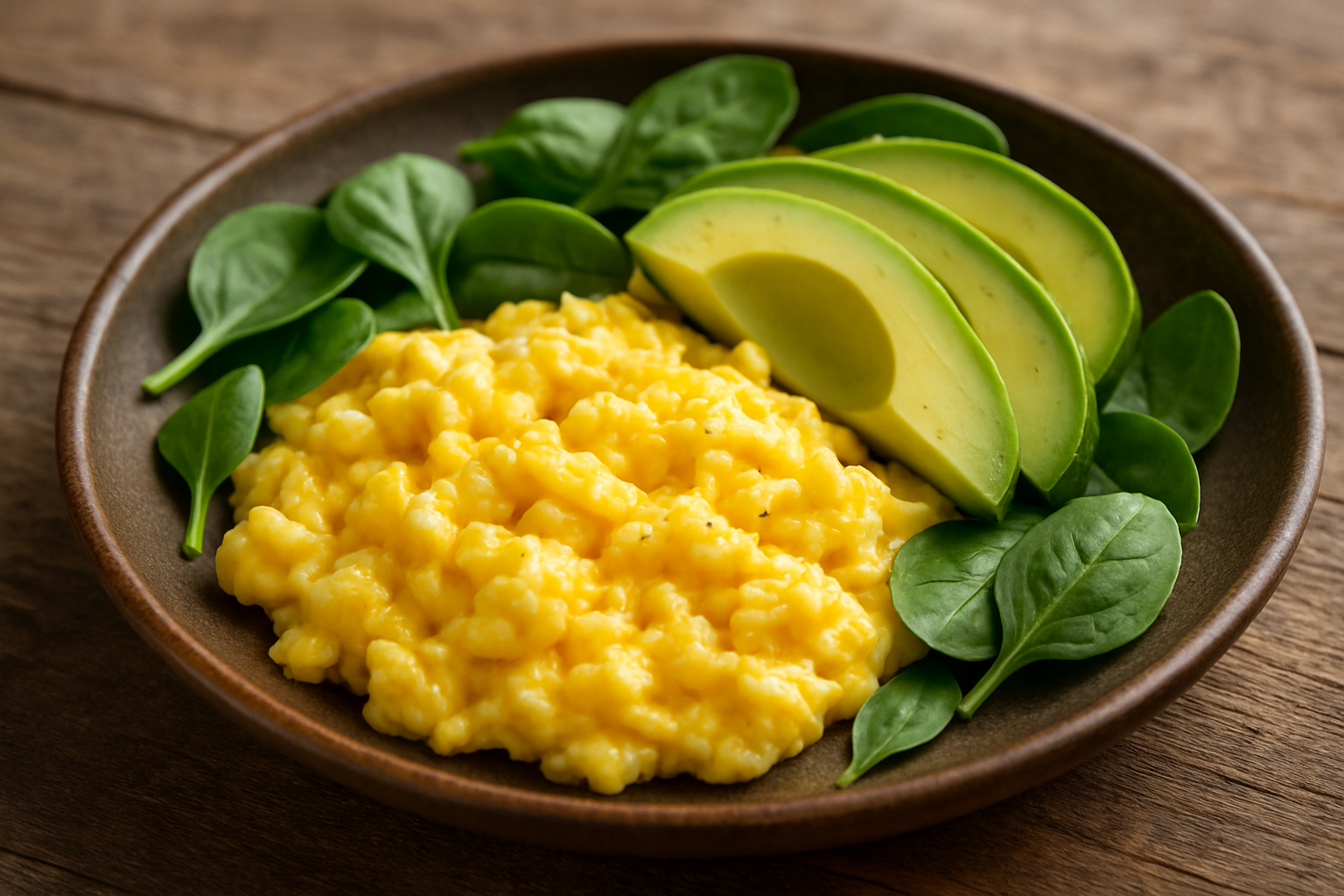
This comprehensive weekly menu balances essential fats, clean protein, and fiber to maintain continuous fat burning throughout your first week:
| Day | Breakfast | Lunch | Dinner | Keto Snack |
|---|---|---|---|---|
| Monday | 3 eggs scrambled in grass-fed butter with 1/2 avocado | Grilled chicken thigh salad over spinach with olive oil & feta | Pan-seared wild salmon with asparagus cooked in butter | 1 oz macadamia nuts |
| Tuesday | Chia seed pudding (chia, coconut milk, unsweetened vanilla) | Tuna salad with olive oil mayo, celery, over romaine lettuce | Ribeye steak with garlic butter sautéed broccoli | 2 string cheese sticks |
| Wednesday | 3-egg omelet filled with spinach, mushrooms, and goat cheese | Turkey, bacon, and avocado cheddar lettuce wraps | Grilled shrimp over zucchini noodles with pesto sauce | Handful of pecans |
| Thursday | Unsweetened full-fat Greek yogurt topped with flaxseeds | Beef burger patty topped with cheddar, avocado & side salad | Baked chicken thighs with roasted Brussels sprouts in bacon fat | 1 hard-boiled egg |
| Friday | Keto coffee (black coffee blended with 1 tbsp butter & MCT oil) | Salmon salad with mixed greens, cucumbers, and olive oil | Pork chops served with cauliflower mash and melted butter | 1/2 sliced avocado with sea salt |
| Saturday | Fried eggs (2) with sugar-free bacon and sautéed spinach | Cobb salad with turkey, hard-boiled egg, avocado, and blue cheese | Baked cod fillet with lemon butter caper sauce & green beans | Handful of walnuts |
| Sunday | Scrambled eggs with smoked salmon and fresh dill | Chicken salad lettuce boats with walnuts and avocado mayo | Grass-fed ground beef taco bowl over lettuce with guacamole & cheese | Pork rinds or celery sticks |
Managing Keto Flu & Electrolyte Balance
During the first 3 to 7 days, rapid glycogen loss causes your kidneys to excrete significant water along with critical electrolytes (sodium, potassium, and magnesium). This fluid shift often triggers temporary symptoms known as the “keto flu,” including head fogginess, fatigue, muscle cramps, and irritability.
To eliminate keto flu symptoms immediately, follow these three protocol rules:
- Sodium Boost: Drink 1–2 cups of bone broth daily or add 1/2 teaspoon of pink Himalayan salt to water.
- Potassium Intake: Eat plenty of whole avocados, leafy dark greens, and unsweetened cocoa powder.
- Magnesium Supplementation: Take 300–400mg of Magnesium Glycinate before bed to prevent leg cramps and support sleep quality.
Who Should Avoid Keto: Individuals with pre-existing kidney disease, pancreatic insufficiency, liver failure, or women who are pregnant/breastfeeding should avoid strict low-carb diets unless supervised by a physician.
Essential Beginners Guide: Common Keto Questions
How long does it take to enter ketosis?
Most individuals enter initial ketosis within 48 to 72 hours of keeping net carbs under 20 grams daily. Full fat-adaptation—where your body efficiently burns fat during exercise and daily activity—takes 3 to 4 weeks of consistent compliance.
Can I drink coffee and tea on keto?
Yes. Black coffee, green tea, and herbal teas contain zero carbs. You can add heavy cream, unsweetened almond milk, or MCT oil, but avoid milk, oat milk, sugar, and artificial syrups.
How do I know if I am in ketosis without testing?
Common physical signs include reduced appetite, increased mental focus, temporary dry mouth, enhanced energy levels throughout the afternoon, and steady initial weight loss.
Can I drink alcohol while on the keto diet?
Yes, but consume with caution. Zero-carb spirits (vodka, tequila, whiskey, gin) and dry wines (Pinot Noir, Sauvignon Blanc) fit keto macros. Avoid beer, sweet wines, and sugary mixers. Remember that alcohol slows fat burning because your liver prioritizes metabolizing alcohol first.
Is it safe to follow the keto diet long-term?
Many individuals follow low-carb diets safely for years. However, long-term success requires eating micronutrient-dense whole foods rather than processed “keto snacks.” Periodic blood panels with your healthcare provider are recommended to evaluate lipid markers.


This 7-day plan is super helpful! I started low-carb last week and was struggling to figure out how to balance my electrolytes, so the tips about magnesium and bone broth came right on time. Quick question though: is it okay to swap out the seafood meals (like salmon and shrimp) for ground turkey or chicken thighs? Seafood is pretty expensive in my area right now. Thanks for putting this together!