
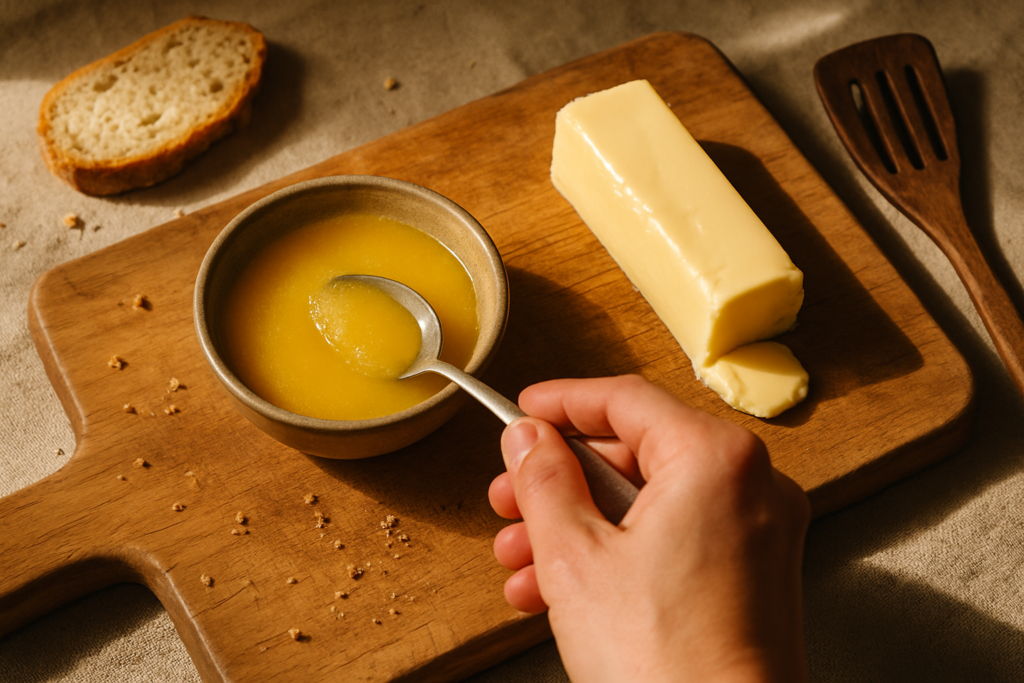
Ghee emerges as the superior choice for high-heat cooking and those with lactose intolerance due to its higher smoke point and absence of lactose, while butter remains the budget-friendly option with slightly lower saturated fat content. Neither offers a definitive health benefit over the other for heart health, but ghee’s unique properties make it a practical pick for frying and individuals with sensitive digestion. The choice between ghee and butter may also depend on dietary preferences and specific health goals, as the two provide distinct benefits and flavors that cater to different culinary applications.
Ghee vs Butter: Nutrition, Calories, and Fat
Key Metrics
| Metric (per 100g) | Ghee | Butter | Winner & Takeaway |
|---|---|---|---|
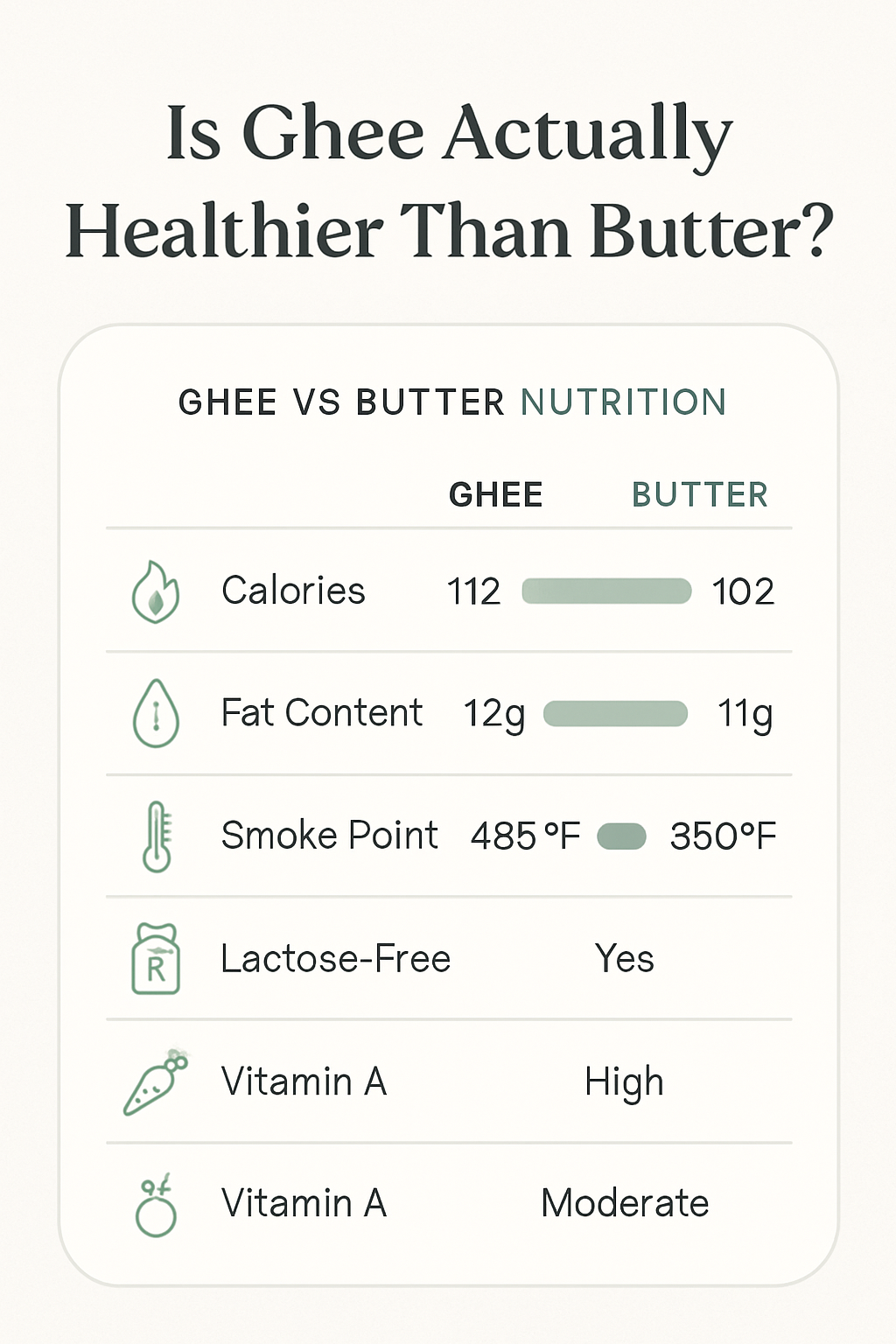
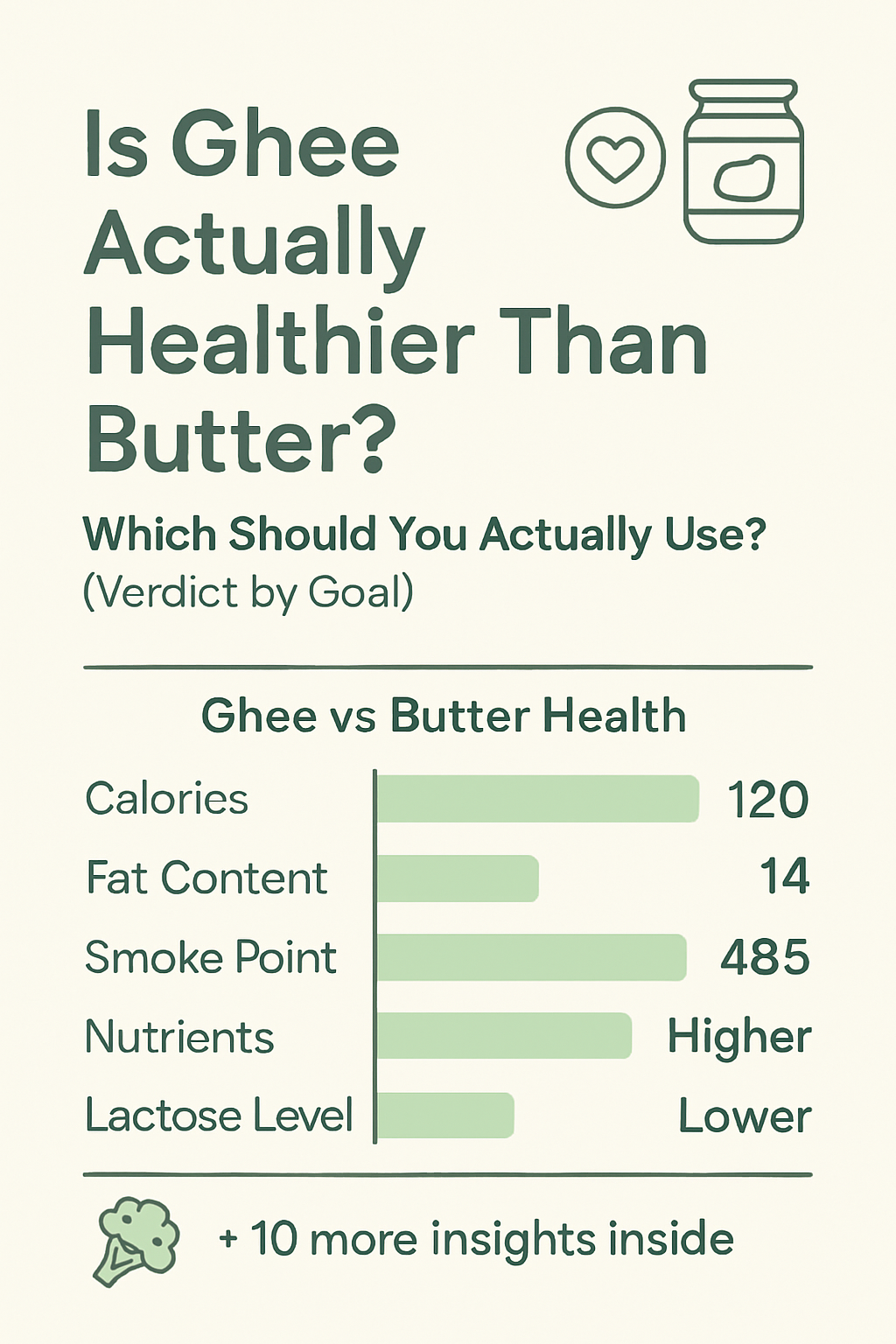
| Calories | 900 kcal | 717 kcal | Butter – Lower calorie count |
| Saturated Fat | 62.8 g | 51.4 g | Butter – Less saturated fat |
| Cholesterol | 256 mg | 215 mg | Butter – Slightly less cholesterol |
| Vitamin A | 3069 IU | 2499 IU | Ghee – Higher in Vitamin A |
Nutrient Differences
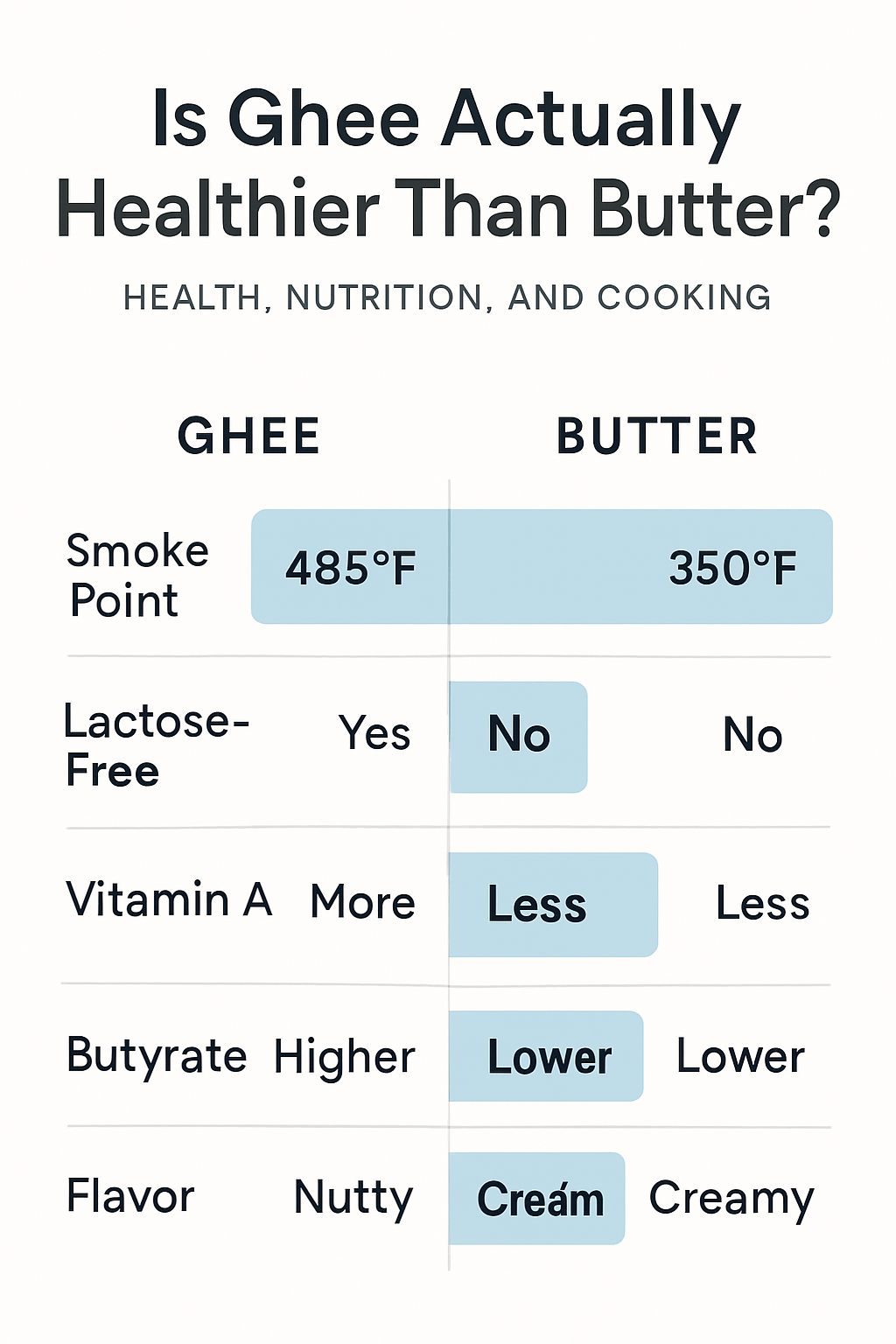
When comparing ghee vs butter nutrition, ghee contains more calories and saturated fats than butter, attributed to its concentrated form devoid of water content. However, ghee is also richer in Vitamin A, offering a significant boost in fat-soluble vitamins essential for vision and immune function. Vitamin A plays a crucial role in maintaining healthy skin, boosting immune defenses, and ensuring proper organ function, making ghee a valuable addition for those seeking to enhance their dietary vitamin intake. Additionally, the higher calorie content in ghee can be beneficial for those needing extra energy intake, although it requires mindful consumption to avoid excess calorie intake. Ghee also contains butyrate, a short-chain fatty acid that supports intestinal health, potentially reducing inflammation in the digestive tract and improving gut health, which may be particularly beneficial for individuals with inflammatory bowel conditions. Moreover, ghee’s concentrated nutritional profile means that even small amounts can contribute significantly to daily nutrient requirements, offering a dense source of energy and nourishment.
What Actually Changes in Your Body and in the Pan
Digestion & Lactose
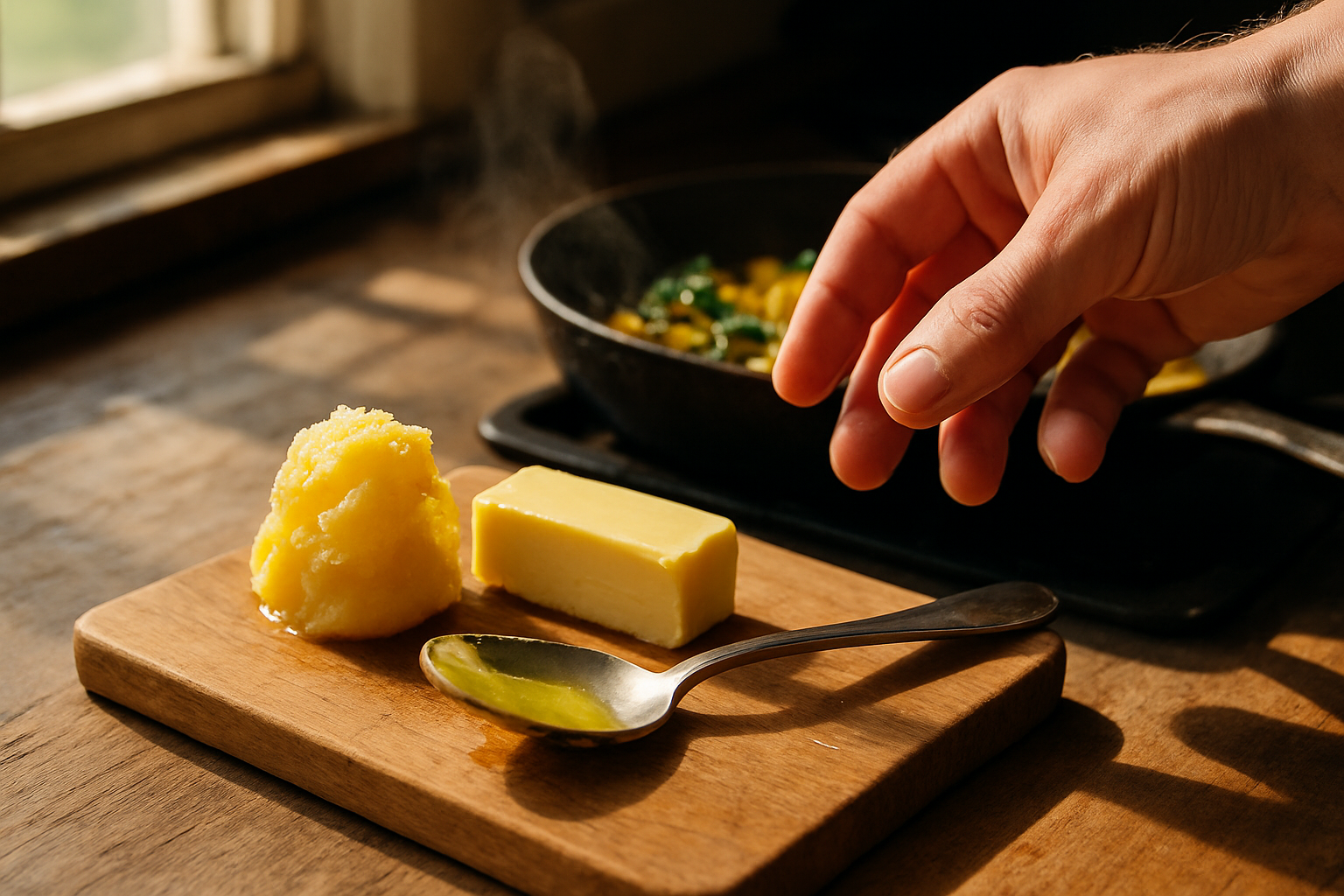
Ghee is nearly lactose-free, containing less than 0.03 grams per 100 grams, compared to butter’s ~0.69 grams. This makes ghee a safer option for those with lactose intolerance. The absence of milk solids in ghee also reduces potential digestive discomfort often associated with dairy proteins. For individuals with mild lactose intolerance, the trace amounts in butter might still cause discomfort, whereas ghee offers a worry-free culinary experience. Furthermore, the clarified nature of ghee eliminates casein, a milk protein that can also trigger digestive issues, making it suitable for those with specific casein sensitivities. Ghee’s lack of lactose and casein means it can be more easily digested by those with dairy sensitivities, allowing them to enjoy a rich, buttery flavor without the digestive repercussions. Additionally, the process of creating ghee involves simmering butter to remove impurities, which not only enhances its digestibility but also concentrates the beneficial compounds, making it an efficient source of energy and nutrition for those with dietary restrictions.
Smoke Point & Cooking
The smoke point of ghee is approximately 250°C (482°F), significantly higher than butter’s 176-177°C (350°F). This allows ghee to withstand high-heat cooking methods like frying without breaking down, which prevents the formation of harmful free radicals. During a test-kitchen trial, frying chicken in ghee resulted in a crisp exterior without the smoke or burnt flavor often encountered with butter at the same temperature. The high smoke point makes ghee a preferred choice for stir-frying, grilling, and even searing meats, where maintaining the integrity of the fat is crucial for flavor and safety. It also allows chefs to experiment with high-temperature techniques like wok cooking, ensuring flavors are sealed in while maintaining nutritional value. Additionally, ghee’s stability at high temperatures helps preserve the nutrients in food, minimizing nutrient loss often associated with high-heat cooking methods. This characteristic is particularly advantageous in cuisines that rely on quick, high-heat cooking to achieve authentic flavors and textures, making ghee an essential ally in diverse culinary practices.
Flavor and Texture in Real Dishes
Ghee imparts a nutty and rich flavor to dishes, enhancing the taste profile of curries and roasted vegetables. In contrast, butter provides a creamy and slightly sweet flavor, making it ideal for baking and sautéing where its moisture content aids in creating flaky textures. A practical test revealed that cookies baked with butter had a softer crumb compared to those with ghee, which turned out crisper. This difference in moisture can significantly impact recipes, as ghee’s lack of water content leads to denser textures, suitable for certain savory pastries or when a crispy finish is desired. In Indian cuisine, ghee is favored for its ability to enhance the aromatic qualities of spices, elevating traditional dishes to new flavor heights. Ghee’s ability to blend seamlessly with spices allows it to be a perfect base for tempering, a technique used to release the full flavor potential of herbs and spices, making it indispensable in many culinary traditions. Furthermore, ghee’s rich flavor profile can transform simple ingredients into gourmet dishes, showcasing its versatility and enhancing the overall dining experience by adding depth and complexity to flavors.
Real Kitchen Use, Price, and Shopping Pitfalls
Price & Shelf Life
Ghee’s price per ounce is often double that of butter, positioning butter as the more budget-friendly option. However, ghee has a longer shelf life due to its absence of water and milk solids, allowing it to stay fresh at room temperature for months if stored in an airtight container, away from direct sunlight. This longer shelf life can justify the higher cost for those who use ghee sparingly. Additionally, ghee’s ability to remain stable without refrigeration makes it a convenient choice for those with limited fridge space or who prefer to stock up on pantry staples. Its stability at room temperature also makes it a viable option for those living in hot climates where refrigerated storage might be challenging. The extended shelf life of ghee means it can be purchased in bulk without the worry of spoilage, offering a strategic advantage for home cooks who wish to maintain a well-stocked pantry. Moreover, for those who appreciate the unique flavor and cooking benefits of ghee, the initial higher cost is offset by its versatility and the reduced frequency of purchase needed due to its long-lasting nature.
Buying Guide
When purchasing ghee, look for products labeled as “grass-fed” to ensure higher nutrient quality. Check for a golden yellow color and a pleasant, nutty aroma as indicators of freshness. Avoid ghee with any cloudiness or off-putting smell, which may suggest spoilage or poor quality. Grass-fed ghee is often richer in omega-3 fatty acids and conjugated linoleic acid (CLA), which are beneficial for cardiovascular health. When shopping, also consider the packaging; glass jars are preferred over plastic for their non-reactive nature, preserving the ghee’s purity and taste. Some brands might offer organic options, which could be preferable for those avoiding pesticides and synthetic additives. Always read the labels for any additives or preservatives that might affect the flavor or health benefits, ensuring you choose a product that aligns with your dietary goals and preferences. Furthermore, exploring local or artisanal brands may provide unique flavor profiles and support sustainable practices, contributing to both personal health and broader environmental impact.
Common Cooking Mistakes & Fixes
- Overcooking with Ghee: Due to its high smoke point, ghee can be easy to overheat. Monitor cooking temperatures to avoid burning. Use a thermometer to ensure you stay below the critical temperature threshold, preserving both flavor and nutritional integrity. It’s important to note that even at high temperatures, ghee should not be left unattended, as it can rapidly reach its smoke point if not carefully monitored during cooking. Consistently checking the temperature can prevent the development of acrid flavors and ensure that dishes retain their intended taste and nutritional value.
- Substitution Ratios: Use ghee in a 1:1 ratio when substituting for butter in recipes, but expect a slightly richer flavor. For recipes where moisture is crucial, consider adding a small amount of water or milk to compensate for ghee’s lack of water content. This adjustment is key in baking, where moisture affects the texture and rise of baked goods, ensuring that the final product maintains the desired consistency and taste. Understanding these subtle differences can enhance the success of recipe adaptations, allowing for creative culinary experimentation without compromising quality.
- Moisture Loss in Baking: Compensate for the lack of water in ghee by slightly increasing liquid ingredients when baking. This adjustment helps maintain the desired texture and rise in baked goods, ensuring your pastries remain tender and moist. In particular, when making doughs or batters that rely on steam for leavening, the addition of liquid is crucial to achieving the right volume and crumb structure. By carefully balancing ingredients, bakers can harness the unique properties of ghee to create innovative and satisfying baked creations.
Ghee or Butter for Special Diets? (Keto, Weight Loss, Ayurveda)
For those on a keto diet, ghee’s higher fat content can be beneficial in maintaining ketosis. Additionally, ghee’s absence of lactose makes it suitable for individuals with lactose intolerance. From an Ayurvedic perspective, ghee is considered a satvic food, which is believed to promote clarity and digestion. Ayurveda prescribes ghee for its ability to nourish tissues, enhance mental clarity, and improve digestion, making it a staple in many traditional medicinal recipes. In weight management, while ghee is calorie-dense, its satiating properties may help reduce overall calorie intake by promoting a feeling of fullness. However, portion control remains essential to balance its caloric impact. Ghee’s role in Ayurveda extends to its use in therapeutic practices, where it’s utilized in rituals and medicines to balance doshas, support detoxification, and strengthen the body’s natural healing processes. This holistic view of ghee as both a dietary and medicinal substance underscores its versatility and enduring significance in various cultural and health contexts.
Which Should You Actually Use? (Verdict by Goal)
| Cooking/Diet Goal | Recommended Option |
|---|---|
| For high-heat frying | Ghee |
| For lactose intolerance | Ghee |
| For keto/weight loss | Ghee |
| For baking flavor | Butter |
| For lowest price | Butter |
Choosing between ghee and butter depends on your cooking needs and dietary preferences. For high-heat applications and those managing lactose intolerance, ghee is ideal. However, for baking and budget-conscious consumers, butter remains a practical choice. When considering health goals, such as reducing saturated fat intake, butter might be preferable, but for flavor and culinary versatility, ghee’s unique attributes can transform everyday dishes into gourmet experiences. The decision ultimately hinges on individual dietary restrictions, culinary ambitions, and taste preferences, allowing for a personalized approach to cooking and nutrition. Those looking to explore diverse culinary traditions may find ghee’s unique flavor profile and adaptability a fascinating complement to traditional Western cooking methods. Additionally, understanding the specific properties and applications of each can empower home cooks to make informed decisions that enhance their culinary creations and align with their health objectives.
Reader Q&A: Ghee vs Butter Health, Cooking, and Taste
- Does ghee raise cholesterol more than butter or oils? Ghee can increase total and HDL cholesterol levels more than some oils, but its impact varies based on individual health profiles. While some studies suggest that moderate ghee consumption could improve lipid profiles by increasing beneficial HDL cholesterol, others caution against excessive intake due to its saturated fat content. It’s essential to consider personal health conditions and dietary patterns when incorporating ghee into a regular diet, as balancing different types of fats can significantly influence cardiovascular health. Consulting with healthcare professionals can provide personalized guidance, helping individuals navigate the complexities of dietary fats and their effects on health.
- Is ghee safe for people with lactose intolerance or milk allergies? While ghee is nearly lactose-free, those with a milk allergy should proceed with caution due to potential trace milk proteins. It’s advisable for individuals with severe allergies to consult with a healthcare provider before incorporating ghee into their diet, ensuring no adverse reactions occur. Testing a small amount initially can help gauge tolerance, providing a safe way to assess its suitability for those with milder sensitivities. This cautious approach allows for the enjoyment of ghee’s culinary benefits while prioritizing safety and well-being.
- Why does ghee have a higher smoke point than butter? Ghee lacks the milk solids and water found in butter, allowing it to withstand higher temperatures without burning. This property makes it particularly useful in culinary applications where high heat is required, as it maintains stability and prevents the formation of acrid flavors or harmful compounds. The removal of these components through clarification ensures that ghee remains pure and robust, optimizing it for high-heat recipes where precision and flavor retention are key. This makes ghee a valuable tool for chefs looking to achieve perfect sears and caramelization in their dishes.
- Can ghee really help with digestion or weight loss? Ghee contains butyrate, which may support gut health and digestion, but its role in weight loss is limited and should be part of a balanced diet. Butyrate is known for its anti-inflammatory properties and potential to support colon health, making ghee a beneficial fat source when consumed in moderation. It’s important to integrate ghee into an overall healthy eating plan that emphasizes whole foods and balanced macronutrients for effective weight management and digestive health. Awareness of portion sizes and dietary balance can maximize ghee’s benefits without unintended caloric excess.
- Which tastes better in baking or frying—ghee or butter? Butter offers a creamier flavor ideal for baking, while ghee’s nutty taste enhances frying, particularly in savory dishes. The choice between the two often depends on the desired flavor profile and texture of the finished dish, with ghee providing a more robust taste and butter offering subtle sweetness and moisture. Experimentation with both can lead to discovering unique flavor combinations and textures, enriching a wide array of culinary creations and personalizing recipes to suit individual taste preferences. This flexibility allows cooks to tailor their dishes to specific dietary needs and culinary goals.
This content is based on culinary research, food chemistry, and clinical nutrition data. It is for informational purposes only and does not constitute medical advice. Consult a qualified healthcare professional before making significant changes to your diet.