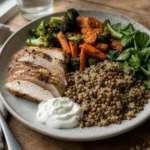
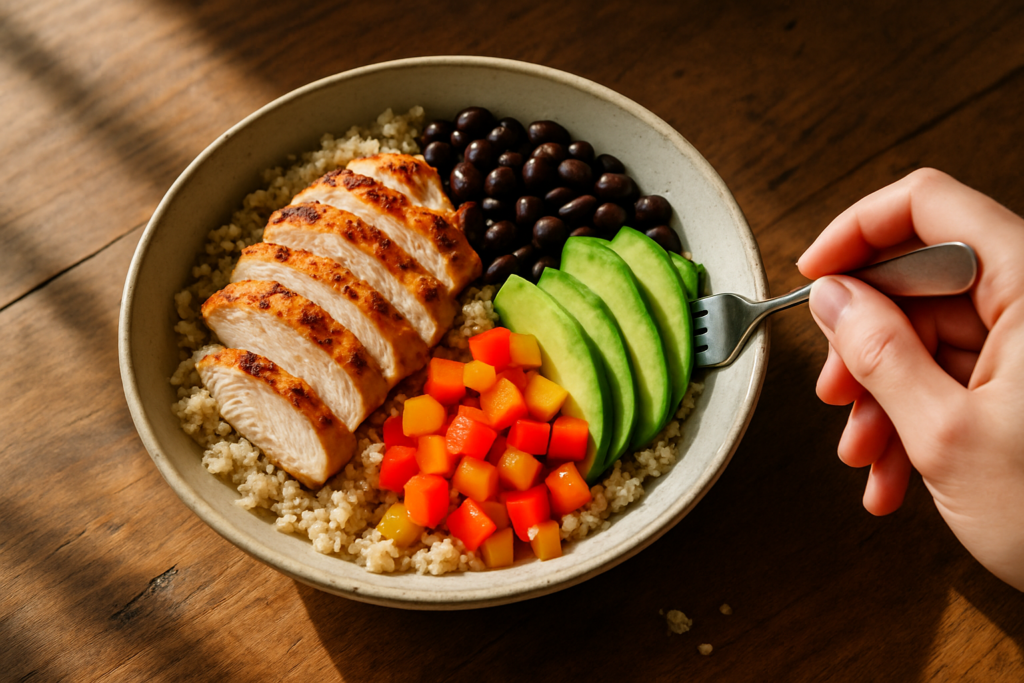
Eating high-protein meals (30–40 g per serving) at every meal increases satiety, boosts daily calorie burn by 80–100 kcal, and—when paired with a calorie deficit—leads to faster, more sustainable fat loss than low-protein diets. This strategy leverages the body’s metabolic processes to optimize weight loss outcomes, making it a preferred approach for many looking to shed pounds effectively. The impact of protein on the body’s metabolic rate is significant, as it not only facilitates fat loss but also helps in maintaining lean muscle mass, which is crucial for long-term weight management.
What Actually Counts as a High-Protein Meal for Fat Loss?
A high-protein meal is defined by its content, typically providing 30–40 grams of protein per meal. This equates to about 25–30% of total calorie intake, depending on individual needs and total energy consumption. High-protein meals are beneficial for weight loss due to their effects on satiety and metabolism. The specific protein requirement can vary based on activity level, age, and overall health goals, but meeting this target is essential for maximizing the benefits of a high-protein diet. For instance, athletes or individuals engaging in strenuous physical activities may require higher protein intake to support muscle recovery and growth. Additionally, older adults may benefit from increased protein consumption to counteract muscle loss associated with aging, ensuring they maintain strength and mobility. It’s also important for individuals with certain health conditions, such as metabolic syndrome, to monitor their protein intake carefully, as it can aid in managing insulin sensitivity and reducing the risk of developing type 2 diabetes.
Breaking It Down: Breakfast, Lunch, Dinner, Snack
For breakfast, opt for protein-rich options like omelets or Greek yogurt parfaits. Adding ingredients like spinach or tomatoes to an omelet not only enhances flavor but also increases the nutrient profile, providing essential vitamins and minerals. Including a source of healthy fats, such as avocado or nuts, can further improve satiety and provide a well-rounded meal. Lunch can include turkey or tofu salads, which can be complemented by a variety of colorful vegetables such as bell peppers and cucumbers to add volume and nutrients. Incorporating legumes like chickpeas or black beans can increase the protein content while adding texture and flavor. While dinner might feature salmon or lentils, incorporating a variety of herbs and spices can elevate the dish, making it both satisfying and delicious. Adding a side of quinoa or whole grain bread can provide additional fiber and complex carbohydrates, supporting sustained energy levels. Snacks should focus on nuts or protein shakes, which can be easily carried on-the-go and provide a quick protein boost without the need for extensive preparation. Choosing unsalted nuts or low-sugar protein shake options can help manage sodium and sugar intake, promoting overall health. For those with dietary restrictions, options such as dairy-free yogurt or plant-based protein powders can be excellent alternatives, ensuring nutritional needs are met without compromising on dietary preferences.
| Meal Type | Protein Target (g) | Example Foods | Calories | Carb Range | Prep Time |
|---|---|---|---|---|---|
| Breakfast | 30–40 | Omelet, Greek yogurt | 300–400 | 20–30g | 10–15 min |
| Lunch | 30–40 | Chicken salad, tofu wrap | 400–500 | 30–40g | 15–20 min |
| Dinner | 30–40 | Grilled salmon, lentils | 400–500 | 20–30g | 20–25 min |
| Snack | 10–20 | Nuts, protein shake | 150–250 | 5–10g | 5 min |
How Does High Protein Burn Fat and Control Hunger?
High-protein diets are effective for fat loss due to several physiological mechanisms. The thermic effect of food (TEF) is increased with higher protein intake, meaning more calories are burned during digestion. Additionally, protein influences satiety hormones such as ghrelin, reducing hunger and helping maintain lean muscle mass during weight loss. Protein’s role in muscle repair and growth is particularly vital for those engaging in resistance training, as it supports muscle adaptation and development. Furthermore, protein helps stabilize blood sugar levels by slowing the absorption of carbohydrates, which can prevent energy crashes and reduce cravings for high-sugar foods. This stabilization is crucial for maintaining focus and productivity throughout the day. Moreover, the inclusion of protein in the diet can lead to improvements in bone health, as amino acids support the formation and repair of bone tissues, which is especially beneficial for older adults or individuals at risk of osteoporosis.
The Thermic Effect: Burn More Calories
The thermic effect of protein is significantly higher than that of carbohydrates or fats, accounting for up to 30% of the calories consumed. This means that when you eat protein, your body uses more energy to digest it, thus burning more calories. This metabolic boost can contribute to a larger overall calorie deficit, amplifying weight loss efforts. By integrating high-protein foods into every meal, you can leverage this effect consistently, which over time, can lead to substantial differences in body composition. The increased calorie expenditure from the thermic effect can equate to burning an additional 100 calories per day, which, over a year, could contribute to a weight loss of approximately 10 pounds, assuming no other dietary changes are made. Additionally, this thermic effect can enhance the body’s ability to adapt to different physical activities, potentially improving athletic performance and endurance.
Satiety and Muscle Preservation
Protein impacts hormones like ghrelin, which signals hunger. By elevating levels of peptide YY, a hormone that reduces appetite, protein helps you feel fuller longer. This effect is crucial for maintaining muscle mass, which in turn supports a higher basal metabolic rate. The preservation of muscle mass is especially important as it prevents the metabolic slowdown typically associated with weight loss, ensuring that the body’s energy expenditure remains high despite a calorie deficit. Moreover, maintaining muscle mass improves strength and physical performance, enhancing overall quality of life. Protein also supports immune function, promoting recovery and reducing the risk of infections, which is particularly beneficial for active individuals or those with demanding lifestyles. Furthermore, protein contributes to cell repair and the production of enzymes and hormones, which are vital for numerous bodily functions, including mood regulation and cognitive health.
Common Mistakes and Who Should Avoid This Approach
Common errors include inadequate protein distribution throughout the day, leading to cravings and muscle loss. It’s important to evenly distribute protein intake to maximize its benefits and prevent energy dips. Failing to consume sufficient protein at breakfast, for example, may result in increased hunger and decreased focus later in the day. Vulnerable populations such as those with kidney disease, pregnant or breastfeeding women, and individuals with specific metabolic disorders should consult a healthcare provider before increasing protein intake. Special considerations must be taken to ensure that these individuals do not exacerbate existing health conditions, as protein metabolism can place additional demands on certain organs and systems. For instance, those with kidney issues may need to monitor protein intake closely to prevent further strain on the kidneys. Additionally, individuals with gout may need to be cautious about their protein sources, as purine-rich foods can exacerbate symptoms. Seeking guidance from a registered dietitian can help customize a protein plan that aligns with individual health needs and goals, ensuring safety and efficacy.
What a Week of Easy High-Protein Meals Looks Like (with Prep & Real-Life Swaps)
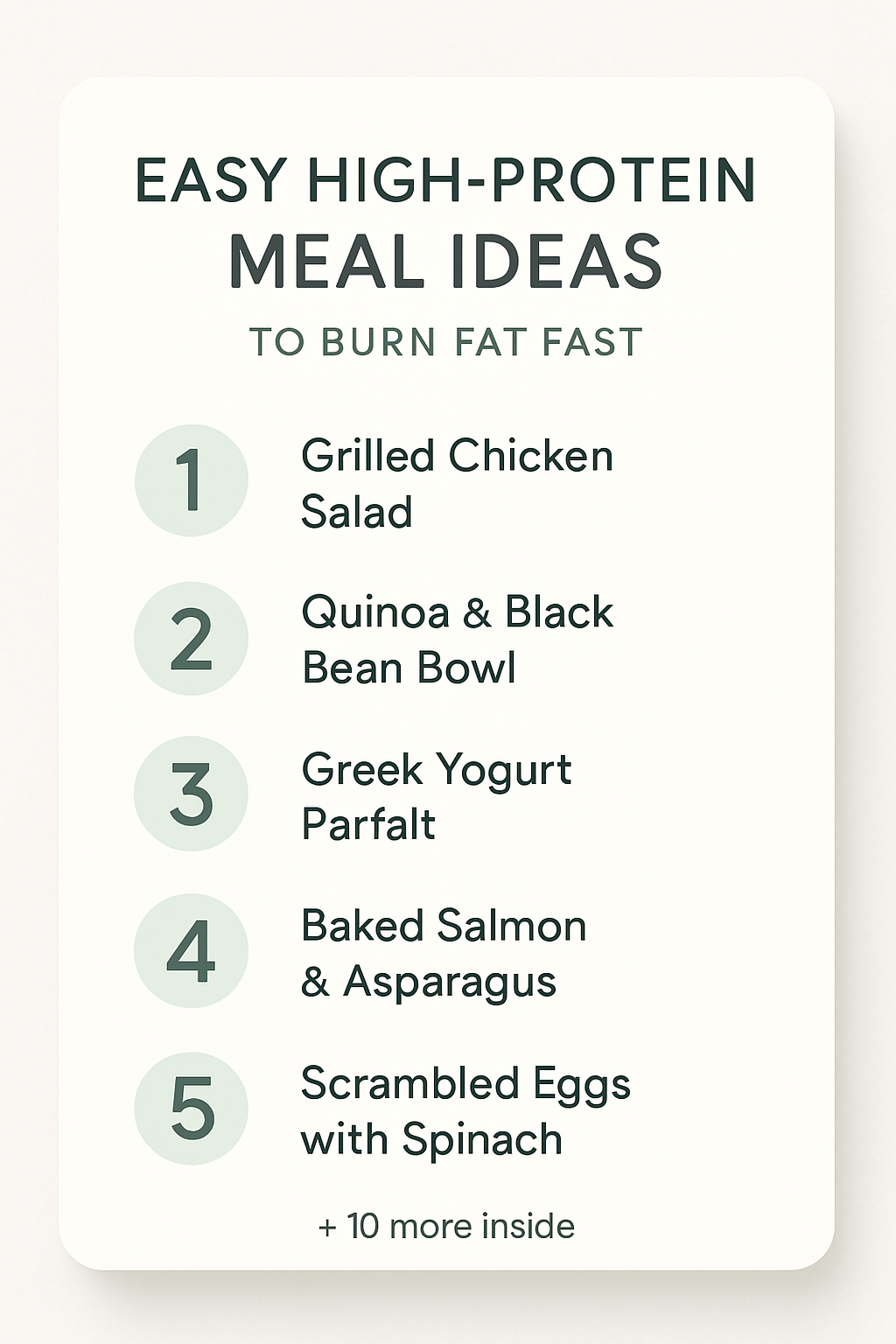
Planning a week of high-protein meals involves selecting versatile proteins and prepping ingredients in advance. This approach not only saves time but also ensures consistent protein intake, crucial for fat loss and muscle maintenance. By organizing meals around staple protein sources, you can simplify grocery shopping and meal preparation, making it easier to adhere to dietary goals. Consider creating a weekly meal plan that includes a variety of proteins, such as chicken, fish, tofu, and legumes, to ensure a balanced intake of essential amino acids and nutrients. This variety also helps prevent dietary monotony, making it easier to stick to your plan in the long term. Additionally, incorporating seasonal produce can enhance the nutritional quality of your meals while supporting local agriculture and potentially reducing food costs.
Meal Prep in Under 20 Minutes
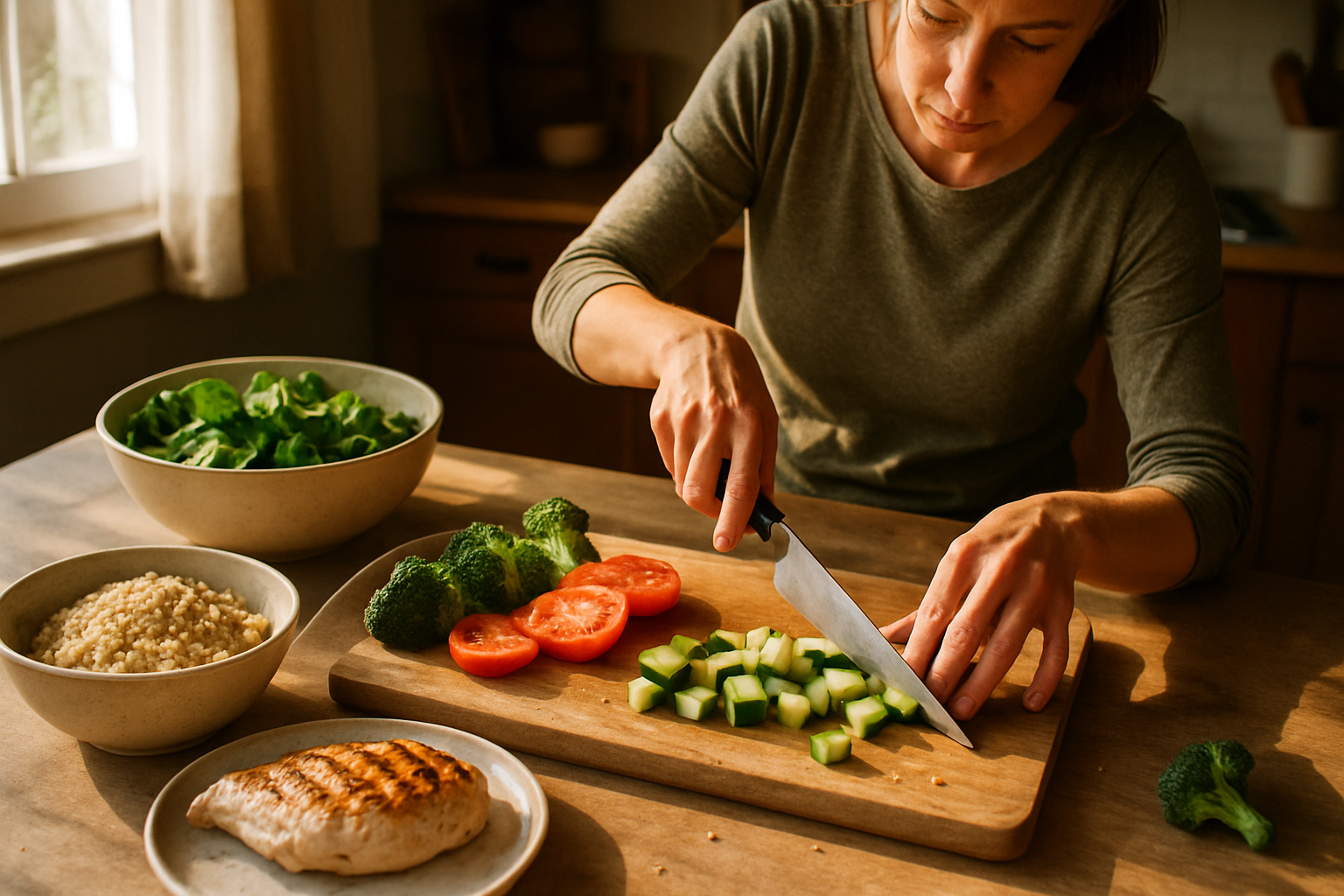
Batch-cooking high-protein bases like lentils or salmon cuts weekday meal time to under 10 minutes. Prepare grains or legumes in bulk, which can be used across multiple meals for variety and convenience. For example, cooking a large batch of quinoa or brown rice at the beginning of the week provides a quick, nutritious base that can be paired with different proteins and vegetables to create diverse meals. This method reduces daily cooking time and ensures that healthy, high-protein options are readily available, minimizing the temptation to opt for less nutritious convenience foods. Additionally, pre-chopping vegetables and storing them in airtight containers can further expedite meal preparation, allowing you to quickly assemble balanced meals even on the busiest days. Freezing portions of pre-cooked proteins or grains can also help extend their shelf life, providing convenient options when fresh groceries are limited.
High-Volume, Low-Calorie Meals
Creating meals that are both filling and low in calories involves using high-volume foods such as vegetables and lean proteins. For example, a large salad with grilled chicken or a stir-fry with tofu and mixed vegetables provides satiety without excess calories. Incorporating high-fiber vegetables like broccoli, spinach, and peppers not only adds bulk but also delivers essential nutrients, promoting overall health. These meals can be easily adjusted to suit personal taste preferences and dietary restrictions, making them a versatile choice for anyone looking to maintain a high-protein diet. Adding low-calorie sauces or dressings, such as balsamic vinegar or lemon juice, can enhance flavor without significantly increasing the calorie content of the meal. Furthermore, incorporating fermented foods like kimchi or sauerkraut can improve gut health and digestion, offering additional health benefits while keeping meals flavorful and interesting.
| Original Ingredient | Swap Option |
|---|---|
| Chicken | Greek Yogurt |
| Eggs | Tofu |
| Whey | Lentils |
| Turkey | Tempeh |
| Tuna | Cottage Cheese |
| Beef | Seitan |
How to Tell If Your High-Protein Plan Is Actually Working

To assess if your high-protein plan is effective, monitor your body’s responses. Look for signs such as increased satiety, reduced cravings, consistent energy levels, and improved digestion. If you’re experiencing persistent hunger or fatigue, it may be necessary to adjust your protein intake or meal timing. Regularly evaluating how you feel after meals and throughout the day can provide insights into whether your current dietary strategy meets your needs. Additionally, consider consulting with a nutritionist or dietitian for personalized advice if you’re unsure about your progress. Tracking your weight, body measurements, and body fat percentage over time can also provide objective data on the effectiveness of your diet, enabling you to make informed adjustments as needed. It’s also beneficial to pay attention to physical performance during workouts, as improvements in strength and endurance can indicate that your dietary plan is supporting your fitness goals.
Tracking progress through weekly body measurements or energy levels can provide insight into how well the diet is working for you. Additionally, keeping a food journal can help identify any patterns or areas needing adjustment. By recording your meals and any accompanying symptoms or changes in energy, you can gain a clearer understanding of how your diet impacts your health and weight loss goals. This information can be invaluable for making informed adjustments and optimizing your dietary approach. Furthermore, tracking your water intake and sleep quality can offer additional context, as these factors can significantly influence your overall well-being and effectiveness of your dietary plan. Engaging in regular self-reflection and setting specific, measurable goals can also help maintain motivation and ensure that dietary changes align with your long-term health objectives.
FAQ: Real-World High-Protein Weight Loss Questions
How can I get 30–40 g protein per meal using only plant-based foods?
Adequate protein can be achieved with plant-based foods by combining sources like lentils, chickpeas, quinoa, and tofu. These options provide essential amino acids required for muscle repair and satiety. For instance, a meal consisting of quinoa, black beans, and a variety of vegetables can easily meet the protein target while offering a diverse range of nutrients. Incorporating nuts and seeds, such as chia or hemp seeds, can further enhance the protein content and nutritional value of your meals. Using plant-based protein powders, such as pea or rice protein, in smoothies or oatmeal can also help reach protein goals without relying on animal products. Moreover, fermented soy products like tempeh can offer higher protein content and additional gut health benefits, making them a valuable inclusion in a plant-based diet.
What are some high-protein dinner ideas under 400 calories without chicken?
Consider meals like grilled tofu with stir-fried vegetables, lentil soup, or a chickpea salad. These options are nutrient-dense and low in calories, making them ideal for weight loss. A lentil soup with spices like cumin and coriander can provide warmth and flavor, while a chickpea salad with fresh herbs and lemon dressing offers a refreshing, satisfying meal. Such dishes are not only high in protein but also rich in fiber, which aids digestion and promotes a feeling of fullness. Adding a side of roasted vegetables or a small portion of whole grains can round out the meal, providing additional nutrients and enhancing satiety. Exploring international cuisines, such as Middle Eastern or Asian dishes, can introduce new flavors and ingredients, keeping meals exciting and diverse.
Can I really prep a full day of high-protein meals in under 20 minutes?
Yes, by focusing on simple meals and bulk prepping ingredients like grains and proteins, you can efficiently prepare a day’s worth of high-protein meals in a short time. For example, cooking a large batch of chicken breasts or baking several pieces of tofu at once allows for quick assembly of meals throughout the week. Pairing these proteins with pre-washed salad greens or pre-cut vegetables can further streamline meal preparation, ensuring that you have healthy options available even on the busiest days. Pre-portioning snacks, such as nuts or yogurt, into individual containers can also save time and make it easier to maintain your dietary plan. Utilizing kitchen tools like slow cookers or pressure cookers can further expedite meal preparation, allowing for the efficient cooking of large quantities with minimal effort.
Does spreading protein across meals actually help with fat loss or just hunger?
Spreading protein intake throughout the day helps maintain lean body mass and manage hunger levels, which indirectly supports fat loss by preventing overeating at subsequent meals. Consistent protein intake ensures that the body receives a steady supply of amino acids needed for muscle maintenance and repair, reducing the likelihood of muscle loss during weight loss. This approach also helps stabilize blood sugar levels, preventing energy crashes and reducing cravings for high-calorie, low-nutrient foods. Additionally, balanced protein distribution can improve mental clarity and focus, contributing to better performance in daily activities and workouts. Research suggests that consuming protein evenly throughout the day can enhance muscle protein synthesis, further supporting muscle growth and maintenance.
What are the best high-protein snacks or smoothies for burning fat between meals?
Some effective snacks include Greek yogurt, nuts, or a protein smoothie made with almond milk, spinach, and a scoop of protein powder. These options provide nutrients without excess calories, aiding in fat burning. A smoothie with added berries or a banana can offer natural sweetness and additional vitamins, making it a delicious and nutritious choice. Including a variety of textures and flavors in your snacks can help keep you satisfied and prevent boredom, making it easier to stick to your dietary plan. Experimenting with different herbs and spices, such as cinnamon or ginger, can add depth to your snacks and smoothies, enhancing flavor without adding calories. For those seeking plant-based options, snacks like edamame or roasted chickpeas can provide a satisfying protein boost while being both convenient and portable.
Disclaimer: This content is based on clinical nutrition research and practical meal planning. It is for informational purposes only and does not constitute medical advice. Consult a qualified healthcare provider before making major changes to your dietary routine.