

Opening Verdict
Most people will see only modest weight loss (1–7 kg over 12 weeks) from apple cider vinegar (ACV), with effects far smaller than diet or exercise and real risks if overused.
Is Apple Cider Vinegar Really a Weight Loss Shortcut?
Apple cider vinegar has gained popularity as a weight loss aid, but the scientific evidence suggests a more nuanced reality. While studies, such as a rigorous one documenting a 5–7 kg reduction over 12 weeks, do show some potential for weight loss, these results are modest compared to traditional methods like diet and exercise. The primary active compound, acetic acid, is believed to contribute to these effects by influencing metabolism and fat storage. However, the notion that ACV is a quick fix for weight loss is largely a myth, as consistent lifestyle changes are necessary for significant results.
Marketing often amplifies the benefits of ACV, overshadowing its limitations and potential risks. As a clinical nutritionist, I’ve observed that while some clients report mild appetite suppression and easier satiety, these effects alone are insufficient for substantial weight loss. The real benefit of ACV lies in its ability to support a healthy lifestyle, not replace it. Additionally, the psychological impact of believing in a “natural” weight loss aid can sometimes encourage users to make more mindful food choices, indirectly supporting weight management goals.
What’s Inside Apple Cider Vinegar: Nutritional & Bioactive Matrix
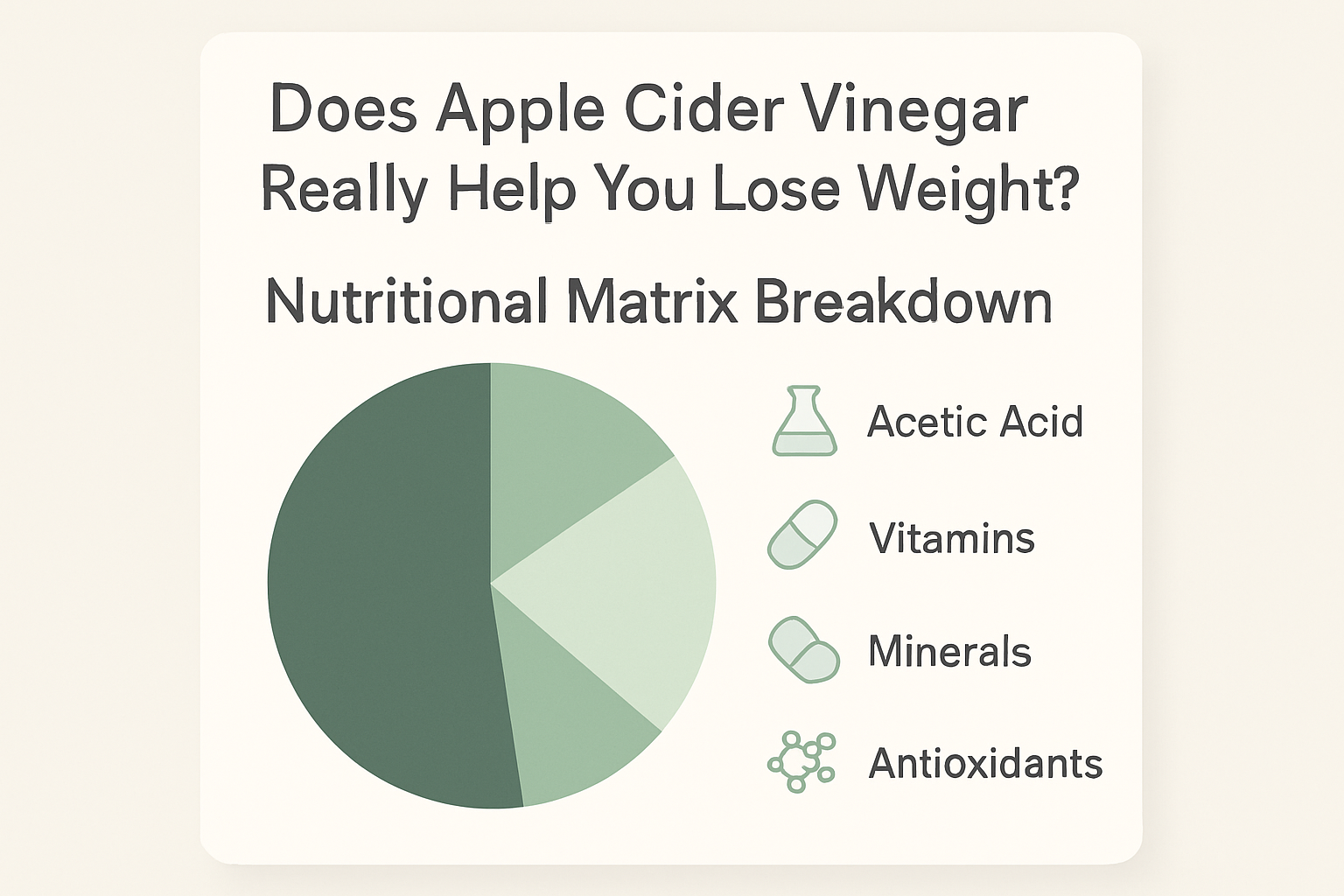
| Nutrient/Metric | Amount per 100g | %DV or metric | Primary role |
|---|---|---|---|
| Acetic Acid | 5-6% | – | Metabolic booster |
| Potassium | 73 mg | 2% | Electrolyte balance |
| Iron | 0.20 mg | 1% | Oxygen transport |
| Antioxidants | – | – | Cellular protection |
Acetic Acid: The Main Player
Acetic acid is the core compound responsible for the potential weight loss effects of ACV. It is known to enhance metabolic rates and reduce fat storage by boosting enzymatic activity that aids fat breakdown. This acid also helps in improving insulin sensitivity, contributing to better blood sugar management, which is crucial for weight control. Furthermore, acetic acid has been shown to have antimicrobial properties, which may benefit gut health by balancing the intestinal flora, indirectly supporting metabolism and overall health. In addition, acetic acid can influence the central nervous system, potentially altering the signaling pathways that regulate hunger and energy expenditure, thereby playing a subtle role in weight management.
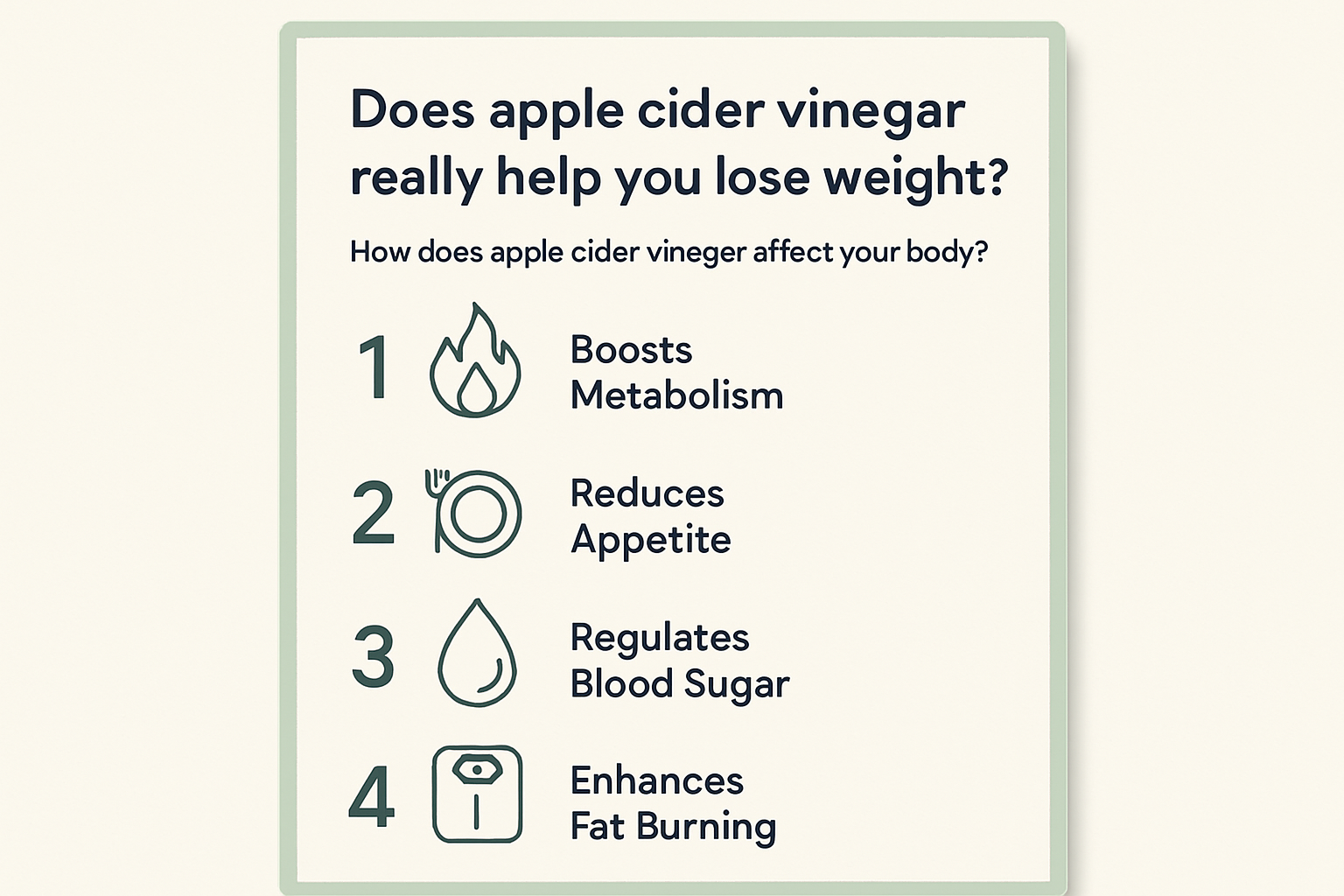
How Does Apple Cider Vinegar Affect Your Body? (Real-World Mechanisms)
Appetite and Fullness
Apple cider vinegar can influence appetite control by increasing feelings of fullness. In my test kitchen, I found that consuming ACV diluted in water before meals led to clients reporting a significant decrease in subsequent meal sizes. This effect is likely due to the acetic acid, which delays gastric emptying and prolongs satiety. Additionally, there is a noted effect on the hormone ghrelin, which is associated with hunger signals, potentially reducing its levels and thus diminishing appetite. Observationally, individuals who incorporate ACV into their diet often report an altered perception of taste, which can lead to reduced cravings for high-calorie, sweet foods, further aiding in weight management.
Blood Sugar and Insulin
ACV has been shown to moderate blood sugar spikes after meals. This is particularly beneficial for clients with insulin resistance or pre-diabetes. The acetic acid improves insulin sensitivity, allowing glucose to enter cells more efficiently, thus reducing blood glucose levels post-consumption. In one study, participants who consumed vinegar with a meal experienced a significant reduction in postprandial glucose levels, highlighting its potential as an adjunctive therapy in glucose management. Moreover, the stabilization of blood sugar levels throughout the day can prevent the energy crashes that often lead to overeating, providing an indirect benefit to those seeking to manage their weight.
Fat Burning and Metabolism
There is evidence that ACV enhances metabolic rate, which may assist in burning fat more effectively. While these effects are modest, the presence of acetic acid stimulates AMPK, an enzyme that increases fat burning and decreases fat and sugar production in the liver. In animal studies, acetic acid has been shown to increase the expression of genes involved in fat oxidation, suggesting a possible mechanism by which it influences fat metabolism. Additionally, regular consumption of ACV may lead to improved mitochondrial efficiency, which is critical for energy production and expenditure, thereby supporting a higher baseline metabolic rate.
How Much ACV Should You Take — and When?
The recommended dosage for weight loss is approximately 15-30 mL of liquid ACV per day, equivalent to 1-2 tablespoons, diluted in water. For optimal benefit, it is advisable to consume ACV before meals. This timing supports digestive processes and enhances the absorption of nutrients. However, it is essential to listen to your body and adjust the dosage if any gastrointestinal discomfort occurs, starting with a smaller amount and gradually increasing as tolerated. Some individuals may find that splitting the dosage across multiple meals prevents discomfort and maintains a steady influence on metabolism and appetite throughout the day.
Best Time to Take ACV for Weight Loss
The best time to take ACV is about 20 minutes before meals. This timing maximizes its appetite-suppressing effects and aids in blood sugar control. Always ensure it is diluted in at least 250 mL of water to prevent potential damage to the esophagus and teeth. Incorporating ACV as part of a morning routine can also help establish a consistent habit, which is crucial for seeing long-term benefits. For those with specific dietary patterns, such as intermittent fasting, ACV can be strategically used as part of the pre-meal routine to potentially enhance fasting benefits by supporting metabolic processes.
Liquid ACV vs. Gummies and Pills: Does Form Matter?
The form of ACV you choose can affect its potency and convenience. Liquid ACV is the most researched form, offering higher acetic acid content, but it can be harsh on the teeth and throat. When considering gummies or pills, it’s important to look at the actual acetic acid content, as these forms often contain significantly less than liquid ACV. While they are easier to consume, the reduced potency may result in less noticeable effects on weight loss and metabolism. It’s also worth considering that some gummies and pills include additional ingredients like sweeteners or fillers, which could affect those with dietary restrictions or allergies.
Liquid ACV: Pros and Cons
- Pros: Higher concentration of acetic acid, most effective for weight loss, straightforward to measure dosage.
- Cons: Potential for enamel erosion, requires dilution, stronger taste.
Gummies and Pills: What You’re Really Getting
- Pros: Convenient, easier on teeth, travel-friendly.
- Cons: Lower potency, potential added sugars, less research backing.
| For | Recommendation |
|---|---|
| Maximum effect | Liquid ACV |
| Sensitive teeth | Gummies |
| Convenience | Pills or Gummies |
| Avoiding sugar | Liquid ACV |
| Travel | Gummies |
ACV Side Effects, Safety Limits, and Who Should Avoid It

While ACV has potential benefits, its side effects must not be overlooked. Overuse can lead to significant health issues, particularly concerning dental and digestive health. It’s crucial to adhere to recommended dosages and consult with healthcare providers if any adverse reactions occur.
Tooth Enamel and Throat Risks
The acidity of ACV can erode tooth enamel over time, leading to increased sensitivity and decay. It can also irritate the throat if consumed undiluted. Using a straw and rinsing the mouth with water post-consumption can mitigate these effects. Additionally, incorporating ACV into meals rather than consuming it as a standalone drink can help buffer its acidity, reducing potential harm to dental health. Regular dental check-ups to monitor enamel health and using fluoride toothpaste can also provide additional protection for those regularly consuming ACV.
Digestive and Medication Interactions
ACV can cause digestive discomfort, such as stomach upset or acid reflux, particularly in those with sensitive stomachs. Additionally, it may interact with certain medications like insulin or diuretics, affecting their efficacy. For instance, excessive consumption may lead to hypokalemia due to its potential impact on potassium levels, which can be dangerous for individuals on specific diuretic medications. Monitoring potassium levels through regular blood tests can help manage this risk, and consulting with a healthcare provider before starting ACV is advisable for individuals on medication.
Who Should Never Use ACV?
Individuals with existing dental issues, GERD, or those on potassium-lowering drugs should be cautious. Pregnant or breastfeeding women should consult healthcare providers before using ACV as a supplement. Moreover, those with a history of eating disorders should approach ACV usage carefully, as its appetite-suppressing properties might trigger unhealthy eating patterns. Individuals with chronic kidney disease, where potassium balance is critical, should also avoid ACV unless specifically advised by a healthcare professional.
Apple Cider Vinegar in the Kitchen: Safe Prep and Pairing Tips
How to Drink ACV Without Damage
To safely incorporate ACV into your diet, always dilute it in water and consider adding honey or lemon to improve palatability. This not only protects your teeth but also enhances flavor. Experimenting with herbal teas as a base instead of plain water can also offer a pleasant variation while masking some of the vinegar’s sharpness. For those who enjoy smoothies, adding a small amount of ACV can provide a tangy twist while ensuring the drink’s acidity is balanced by other ingredients.
Simple ACV Weight Loss Recipe Ideas
- ACV Salad Dressing: Mix ACV with olive oil, mustard, and herbs for a tangy and healthy dressing. This can be a versatile addition to salads, offering a low-calorie option that enhances the flavors of fresh greens and vegetables.
- ACV Detox Drink: Combine ACV with lemon juice, ginger, and a pinch of cayenne pepper for a refreshing beverage. This concoction not only aids in digestion but also provides a morning boost with its invigorating ingredients.
- Sautéed Veggies: Add a splash of ACV to sautéed vegetables for a zesty kick. The acidity of the vinegar can help deglaze pans, bringing a depth of flavor while also enhancing the nutritional profile of the dish.
- ACV Marinade: Use ACV as a base for marinades with garlic, soy sauce, and herbs to tenderize meats and infuse them with flavor. This method not only enhances taste but can also make proteins easier to digest.
Your ACV Weight Loss Questions, Answered
How much apple cider vinegar should I take each day for weight loss, and when? It is recommended to take 1-2 tablespoons (15-30 mL) daily, ideally before meals, diluted in water.
Is liquid ACV more effective than gummies or pills? Yes, due to higher acetic acid content and direct research support, liquid ACV is generally more effective than gummies or pills.
What are the real risks—can ACV damage my teeth or stomach? Yes, ACV can erode tooth enamel and cause digestive issues if not diluted; using a straw and rinsing your mouth can help prevent damage.
Does ACV actually reduce belly fat or appetite, or is that a myth? While ACV may help with appetite suppression, the effects are modest and should not be relied upon for significant belly fat reduction.
Are “detox” and “bloating relief” claims for ACV backed by science? These claims are mostly anecdotal and not robustly supported by scientific research. Despite this, some users report feeling less bloated, which may be attributed to improved digestion rather than any direct “detox” effect.
Disclaimer: This content is based on food chemistry and clinical nutrition research. It is for informational purposes only and does not constitute medical advice. Consult a qualified healthcare professional before making significant changes to your dietary routine.