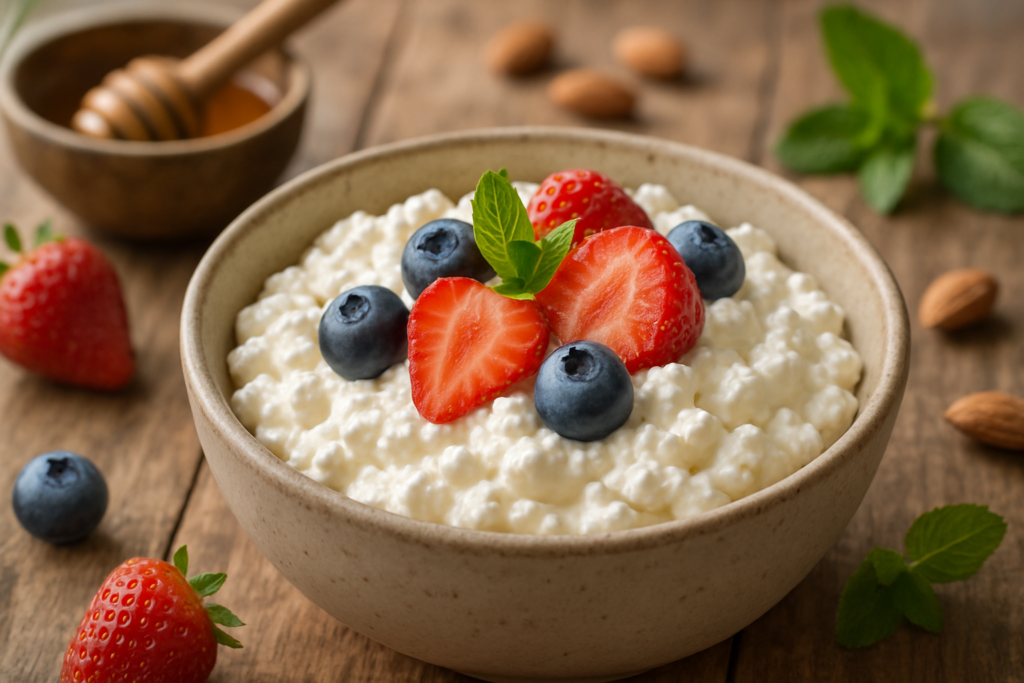
In recent years, cottage cheese has surged in popularity, with TikTok and other social media platforms showcasing its versatility in various recipes. Short answer: Yes, cottage cheese is a healthy addition to your diet. Packed with high-quality protein and essential nutrients, it can support weight loss, muscle building, and improved gut health. In this article, you’ll learn about the nutritional benefits of cottage cheese, how it compares to Greek yogurt, practical serving ideas, and more.
Nutritional Profile of Cottage Cheese
Cottage cheese is celebrated for its high protein content and low calorie count, making it a favorite among fitness enthusiasts and health-conscious individuals. A standard 100g serving of cottage cheese contains approximately 98 calories and 11g of protein. This makes it an excellent option for those looking to increase their protein intake without consuming too many calories.
The nutritional breakdown of cottage cheese also includes essential vitamins and minerals. It provides a good source of calcium, crucial for bone health, and phosphorus, which supports energy production. Additionally, it contains B vitamins that play a role in energy metabolism.
| Nutrient/Metric | Amount per 100g | %DV or Metric | Primary Role |
|---|---|---|---|
| Calories | 98 | – | Energy source |
| Protein | 11g | 22% | Muscle repair and growth |
| Calcium | 83mg | 8% | Bone health |
| Phosphorus | 159mg | 16% | Energy production |
| B Vitamins | Varied | – | Energy metabolism |
Health Benefits of Cottage Cheese
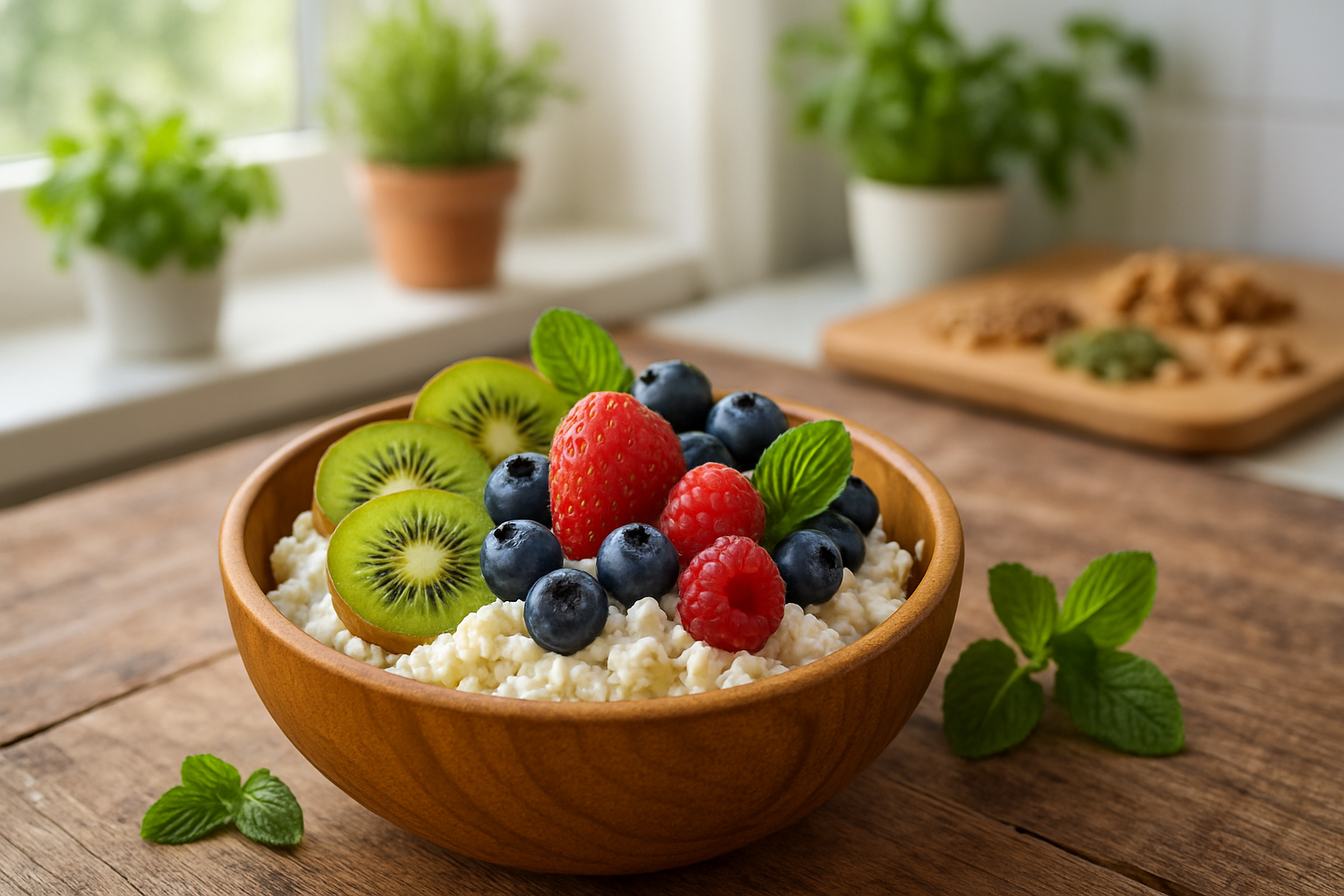
Cottage cheese offers several health benefits, largely due to its rich nutrient profile. One of its standout features is its impact on gut health. Cottage cheese contains probiotics, beneficial bacteria that support a healthy digestive system. These probiotics can enhance gut flora balance, promoting better digestion and absorption of nutrients.
For those aiming to lose weight, cottage cheese is an excellent dietary choice. Its high protein content promotes satiety, helping you feel full longer and reducing overall calorie intake. Additionally, the low-calorie nature of cottage cheese allows for its inclusion in calorie-controlled diets without compromising nutritional intake.
Bodybuilders and athletes may find cottage cheese particularly beneficial for muscle building. The high-quality protein it offers is rich in casein, a slow-digesting protein that provides a sustained release of amino acids. This makes it an ideal snack before bed, supporting muscle repair and growth during sleep.
Cottage Cheese vs. Greek Yogurt: A Nutritional Face-off
Both cottage cheese and Greek yogurt are popular choices for health-conscious consumers, but how do they compare? While both offer high protein content, cottage cheese typically contains more protein per serving. Greek yogurt, on the other hand, is often lower in calories and contains more probiotics.
| Aspect | Cottage Cheese | Greek Yogurt |
|---|---|---|
| Protein (per 100g) | 11g | 10g |
| Calories (per 100g) | 98 | 59 |
| Probiotics | Present | Higher |
When choosing between the two, consider your dietary goals. If higher protein intake is your priority, cottage cheese may be the better option. For those focusing on probiotic benefits and lower calories, Greek yogurt might be the preferred choice.
Incorporating Cottage Cheese into Your Diet
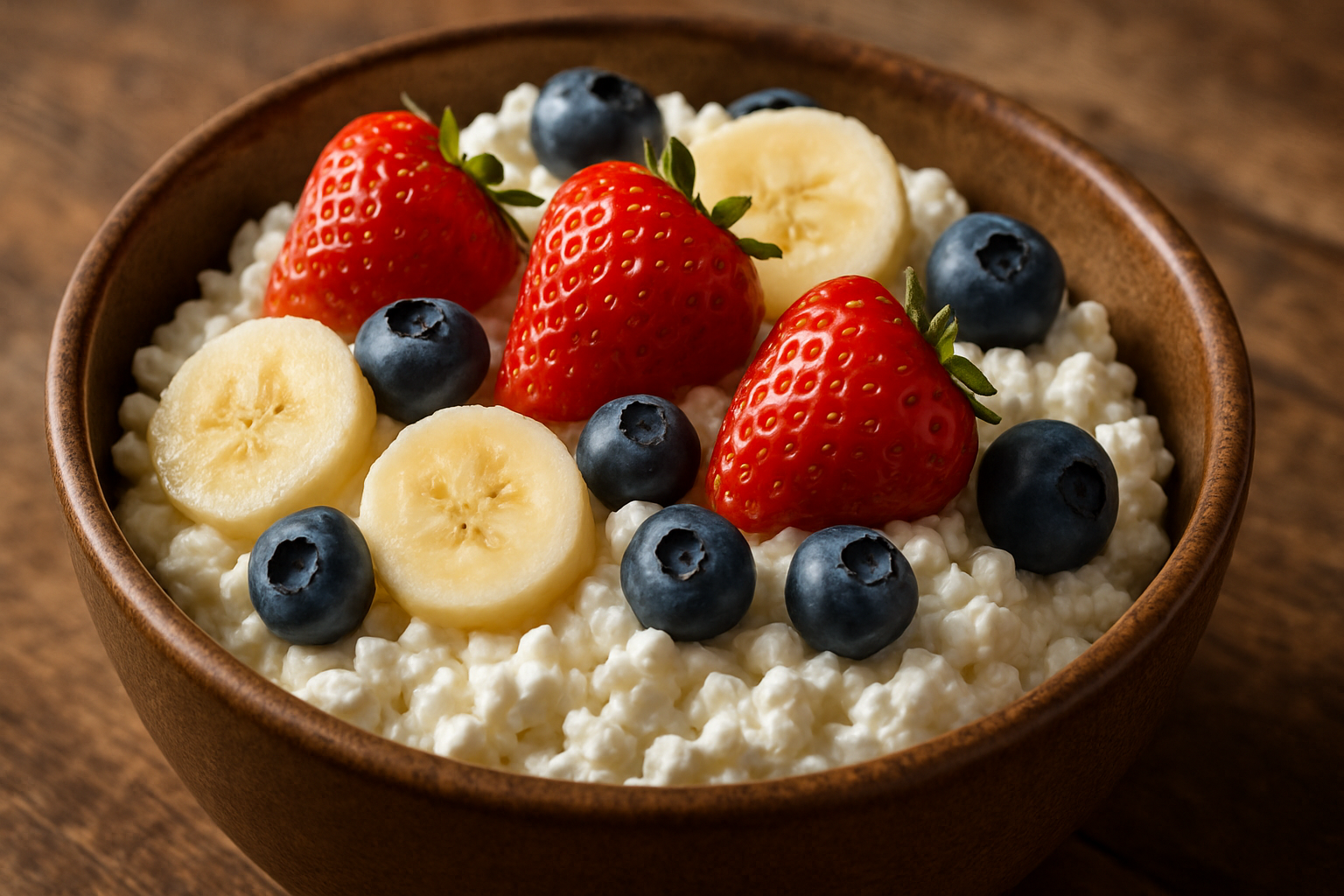
Cottage cheese is incredibly versatile, making it easy to incorporate into various meals and snacks. Its mild flavor allows it to pair well with both sweet and savory ingredients. For a sweet treat, try mixing cottage cheese with fresh fruits like berries or peaches. Adding a drizzle of honey can enhance its natural sweetness.
For a savory twist, cottage cheese can be combined with herbs and spices, such as dill or chives, and used as a spread on whole-grain crackers. It also works well as a base for dips or as a topping for baked potatoes.
Recipes and Snack Ideas
- Fruit and Cottage Cheese Bowl: Combine cottage cheese with sliced strawberries, blueberries, and a sprinkle of granola.
- Herbed Cottage Cheese Spread: Mix cottage cheese with chopped dill, chives, and a pinch of salt. Serve with vegetable sticks.
- Cottage Cheese Pancakes: Blend cottage cheese with eggs, oats, and a banana for a protein-rich pancake batter.
Health Considerations
While cottage cheese is generally a healthy choice, there are a few considerations to keep in mind. One concern is its sodium content. Some brands can be high in sodium, which may not be suitable for individuals monitoring their salt intake. Opt for low sodium versions to minimize this issue.
When purchasing cottage cheese, it’s essential to check the label for added sugars, especially in flavored varieties. These can increase calorie content significantly. Look for brands that offer plain cottage cheese without unnecessary additives.
People with lactose intolerance may experience discomfort when consuming cottage cheese, as it contains lactose. However, some brands offer lactose-free options that retain the nutritional benefits of regular cottage cheese.
Conclusion: Is Cottage Cheese Right for You?

In conclusion, cottage cheese is a nutritious and versatile food that can be a valuable addition to your diet. Its high protein content supports muscle building and weight loss, while probiotics promote gut health. Consider the following points when incorporating cottage cheese into your routine:
- High in protein, making it suitable for muscle building and weight management.
- Contains probiotics that support digestive health.
- Low in calories, ideal for calorie-controlled diets.
- Versatile in both sweet and savory dishes.
- Be mindful of sodium and sugar content when selecting brands.
If you’re looking for a nutritious, protein-rich food to enhance your diet, cottage cheese may be the perfect choice. Experiment with different recipes and serving ideas to find what suits your taste and lifestyle best.
FAQ: Your Cottage Cheese Questions Answered
Is cottage cheese good for weight loss?
Cottage cheese is an excellent choice for weight loss due to its high protein and low calorie content. Protein helps increase satiety and reduce overall calorie intake, making it easier to adhere to a calorie-controlled diet.
What is the best time to eat cottage cheese?
Cottage cheese can be consumed at any time of the day, but it is particularly beneficial as a bedtime snack. Its slow-digesting casein protein supports muscle repair and growth while you sleep.
Can I eat cottage cheese if I am lactose intolerant?
If you are lactose intolerant, you may experience discomfort when consuming cottage cheese. However, some brands offer lactose-free options that allow you to enjoy the benefits without the digestive issues.
How does cottage cheese compare to Greek yogurt?
While both are high in protein, cottage cheese typically contains more protein per serving. Greek yogurt, however, is often lower in calories and contains more probiotics. The choice depends on your dietary goals.
Is cottage cheese suitable for a high-protein snack?
Yes, cottage cheese is an excellent high-protein snack option. It provides a substantial amount of protein per serving, making it ideal for muscle building and repair.
Does cottage cheese support gut health?
Cottage cheese contains probiotics that can enhance gut flora balance, promoting better digestion and nutrient absorption.
What are the benefits of low sodium cottage cheese?
Low sodium cottage cheese is beneficial for individuals monitoring their salt intake. It allows you to enjoy the nutritional benefits of cottage cheese without the added sodium.
Which are the best cottage cheese brands?
The best cottage cheese brands offer high-quality ingredients, low sodium options, and minimal additives. Look for brands that prioritize nutrition and transparency in their labeling.
Can cottage cheese be part of a diet plan?
Yes, cottage cheese can be part of various diet plans, including low-carb, high-protein, and calorie-controlled diets. Its versatility makes it easy to incorporate into different meal plans.
Is it okay to eat cottage cheese before bed?
Eating cottage cheese before bed is actually beneficial due to its casein protein content. This slow-digesting protein provides a sustained release of amino acids, supporting muscle repair during sleep.
This content is based on food chemistry and clinical nutrition research. It is for informational purposes only and does not constitute medical advice. Consult a qualified healthcare professional before making significant changes to your dietary routine.