

Opening Verdict
Cold brew coffee is not inherently healthier than regular hot coffee—both offer similar long-term health benefits. However, cold brew’s lower acidity and variable caffeine content make it a better option for some people with digestive sensitivity. A standard 16 oz serving typically contains 200–260 mg caffeine. For those who experience acid reflux or heartburn, the reduced acidity of cold brew can make it a more comfortable choice, minimizing discomfort. Additionally, the brewing process can lead to a flavor profile that many find less harsh on the palate, which can be particularly appealing for those who prefer a milder coffee experience. This milder taste can be attributed to the reduced extraction of bitter compounds that are more prevalent in hot-brewed coffee, offering a smoother and more enjoyable drinking experience for those sensitive to bitterness.
Cold Brew vs Regular Coffee: What’s the Real Difference?
Brewing Methods
Cold brew coffee is made by steeping coarsely ground coffee beans in cold water for 12 to 24 hours, resulting in a smooth, mellow flavor. This method extracts fewer acidic compounds, making it a less acidic option compared to regular coffee. In contrast, regular coffee is brewed with hot water, which extracts more oils and acidic compounds, contributing to a more robust flavor profile. The extended steeping time for cold brew allows for a more gradual extraction process, which can lead to a higher concentration of certain flavor compounds that aren’t as prominent in hot brewed coffee. This slow extraction can also alter the caffeine content, potentially resulting in a beverage that delivers a more sustained release of energy throughout the day. Moreover, the cold brewing process minimizes the extraction of chlorogenic acids, which are responsible for the sour and sometimes astringent taste in hot coffee, making cold brew a preferable choice for those who enjoy a less acidic and more balanced cup.
Taste/Texture Differences
Cold brew is known for its smooth, less bitter taste, often described as chocolatey or nutty. Regular hot coffee, on the other hand, has a sharper, more pronounced acidity that many coffee aficionados appreciate. The texture of cold brew is typically thicker due to the extended extraction time, whereas hot coffee has a lighter mouthfeel. The thickness of cold brew can be attributed to the higher concentration of solids and oils extracted during the lengthy brewing process. This texture is often enjoyed by those who prefer a richer mouthfeel, similar to that of a fine stout or full-bodied wine. Additionally, the subtle flavors in cold brew can be enhanced with additions like cream or flavored syrups, which complement its inherent smoothness. In some cases, the cold brewing process can bring out the natural sweetness of the coffee beans, allowing drinkers to enjoy their beverage without the need for added sugars or sweeteners.
Nutritional & Bioactive Comparison: Cold Brew vs Hot Coffee
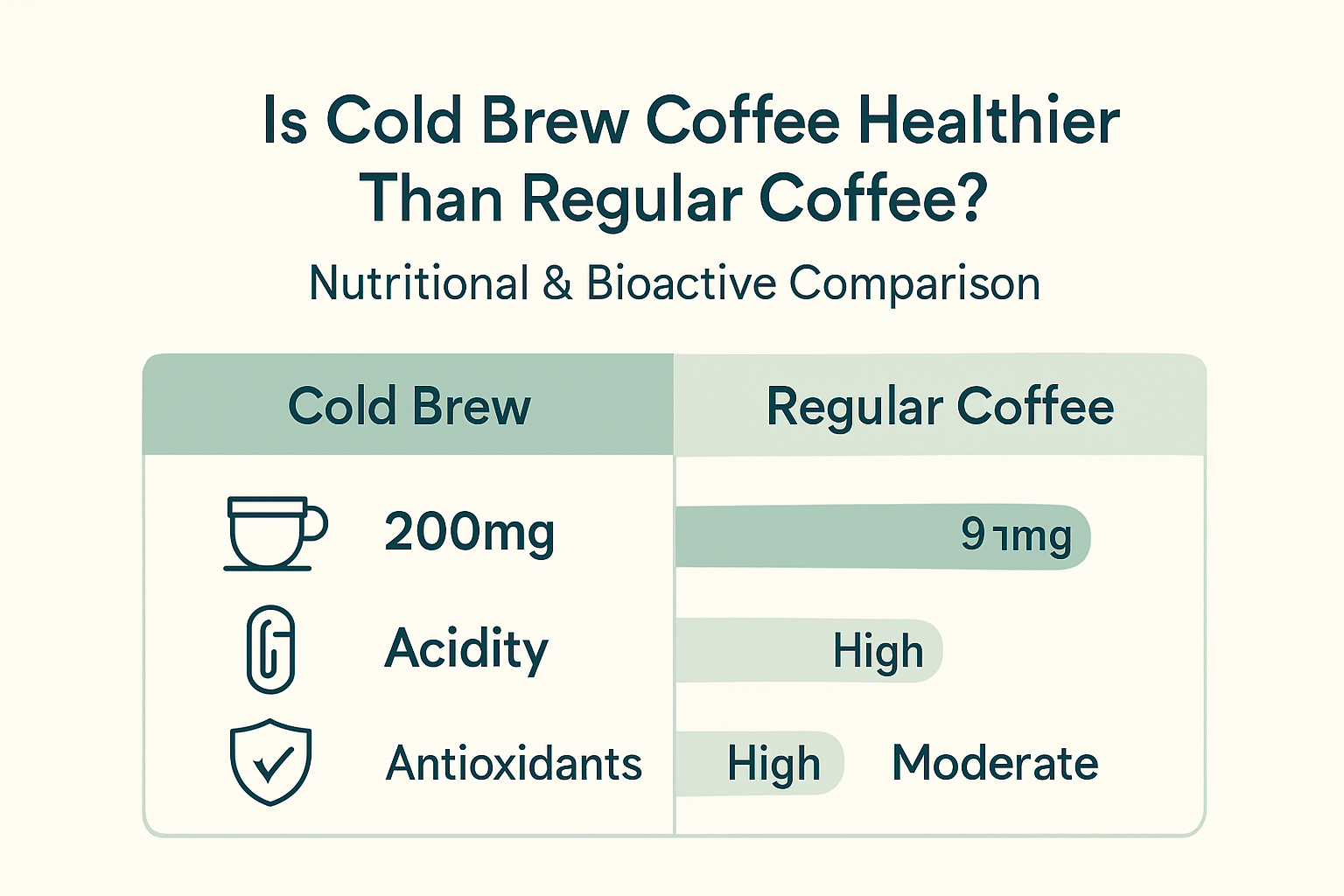
| Nutrient/Metric | Cold Brew (per 16 oz) | Regular Hot Coffee (per 16 oz) | Key Health Role |
|---|---|---|---|
| Caffeine | 200–260 mg | 210–320 mg | Stimulates CNS, boosts alertness |
| Acidity (pH) | 4.85–5.13 | 4.85–5.10 | Impacts digestion and tooth enamel |
| Antioxidants | Lower | Higher | Reduces oxidative stress |
| Calories | 5 | 5 | Minimal caloric impact |
| Sugar | 0 g | 0 g | Avoids added sugars |
| Goal | Recommendation |
|---|---|
| Sensitive stomach/reflux | Cold Brew |
| Maximize antioxidants | Hot Coffee |
| Lowest calories | Either |
| Highest caffeine per serving | Regular Coffee |
How Cold Brew and Hot Coffee Actually Affect Your Body
The caffeine absorption rate varies between cold brew and hot coffee. Cold brew’s higher caffeine concentration can lead to a more sustained energy boost, but individual absorption rates will vary. In my test kitchen, I’ve observed that a full cup of cold brew keeps energy levels steady without the jitters often associated with hot coffee. This is due to the slower release of caffeine into the bloodstream, providing a more gradual elevation in alertness and energy. For people sensitive to caffeine spikes, this can mean fewer crashes and a more balanced energy distribution throughout the day. Additionally, the gradual energy release can support longer periods of focus and productivity, making it an ideal choice for extended work or study sessions.
The lower acidity of cold brew is easier on the stomach, making it a better option for those prone to acid reflux or indigestion. Clients with GERD have reported less discomfort when switching to cold brew. However, it’s important to note that the pH levels are similar, but cold brew extracts fewer total acids. This difference in acid extraction can be significant for people who experience digestive discomfort after consuming acidic foods or beverages, providing them with a viable option to continue enjoying coffee without exacerbating symptoms. Furthermore, for individuals managing chronic digestive issues, integrating cold brew into their routine can offer a gentler alternative that minimizes the risk of flare-ups.
Antioxidant bioavailability is another consideration. While hot coffee extracts more antioxidants due to heat, cold brew offers specific antioxidant compounds that remain stable without heat degradation. This means cold brew retains beneficial compounds that are different from those in hot coffee. Some studies suggest that these stable antioxidants may have unique benefits, potentially contributing to cellular protection and anti-inflammatory effects. The choice between cold brew and hot coffee should consider the specific health goals related to antioxidant intake. Moreover, for those incorporating coffee as part of an antioxidant-rich diet, balancing both cold and hot brews could provide a broad spectrum of health-promoting compounds.
Cold brew’s effect on metabolism is comparable to hot coffee, potentially aiding weight loss through increased calorie burn. However, the actual impact varies based on individual metabolic rates and consumption habits. For those aiming to use coffee as a metabolism booster, it’s essential to consider overall diet and lifestyle, as well as the timing of coffee consumption, to maximize potential benefits. Pairing coffee intake with physical activity could enhance its metabolic effects, leading to improved energy expenditure. For example, consuming cold brew prior to a workout may enhance endurance and performance by providing a stable source of energy and promoting increased fat oxidation.
Portion Limits, Side Effects & Who Should Be Careful
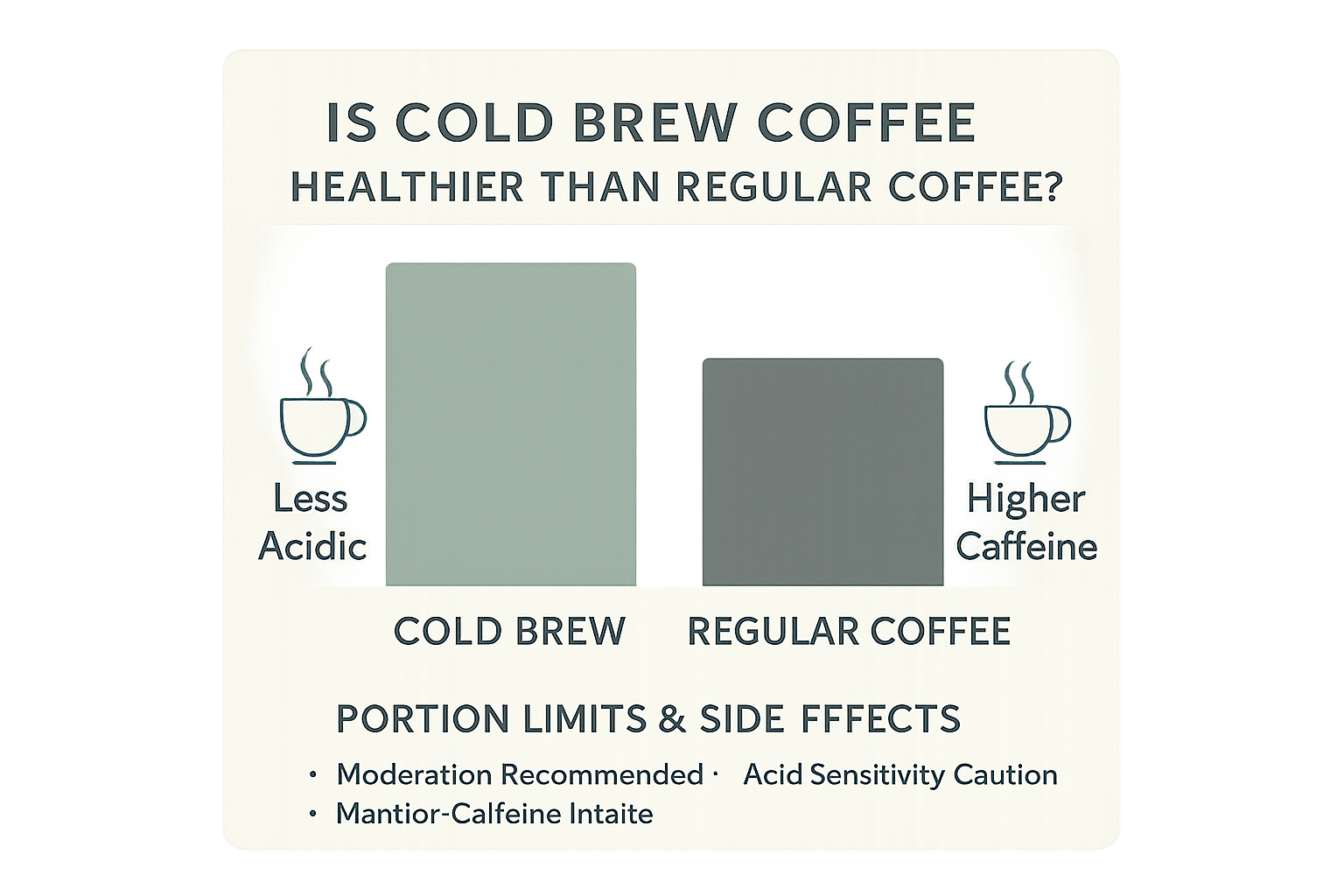
The FDA suggests a daily caffeine intake limit of 400 mg, which means moderation is key when consuming cold brew. A single 16 oz serving can contain up to 260 mg of caffeine, so it’s advisable to monitor intake, especially if consuming other caffeinated products. Individuals who consume multiple servings throughout the day should be particularly vigilant in tracking their total caffeine consumption to avoid potential side effects such as insomnia, nervousness, or increased heart rate. It is also important to consider the cumulative effects of caffeine from other sources, such as tea, chocolate, and certain medications, which can contribute to the overall daily intake.
Digestive side effects such as bloating or discomfort may occur if cold brew is consumed on an empty stomach. In my clinical practice, clients with sensitive digestive systems benefit from pairing cold brew with a small meal or snack. This can help buffer the stomach lining and mitigate any potential irritation caused by the caffeine and acids, providing a more comfortable drinking experience. Additionally, incorporating foods rich in fiber and healthy fats can further support digestive health by promoting satiety and reducing the likelihood of gastrointestinal distress.
Commercially prepared cold brews often contain added sugars or syrups, which can increase calorie intake. It is crucial to check labels or prepare cold brew at home to control added sugars. Homemade versions allow for customization and the use of healthier sweeteners, reducing the risk of unwanted calories and maintaining the coffee’s natural flavor profile. Opting for natural flavor enhancers, such as vanilla extract or cocoa powder, can provide a satisfying taste experience without added sugars, aligning with dietary goals for those managing their sugar intake.
At-risk groups: Pregnant women, individuals with heart arrhythmias, and those with GERD should exercise caution. Due to its lower acidity, cold brew may be a better choice for those with acid sensitivity. However, these groups should consult healthcare providers to determine appropriate consumption levels, ensuring they do not inadvertently exacerbate health conditions. For pregnant women, limiting caffeine intake is crucial to avoid potential impacts on fetal development. Additionally, individuals with heart conditions may benefit from monitoring their caffeine intake closely to prevent adverse cardiovascular effects, ensuring that their coffee consumption aligns with medical guidance.
Easy Home Prep & Healthier Pairing Hacks for Cold Brew
For homemade cold brew, use a 1:4 ratio of coffee to water. Steep in the refrigerator for 12–24 hours, then dilute the concentrate before serving. This method ensures control over caffeine content and flavor strength. Adjusting the steeping time can further customize the taste, with longer steeping resulting in a stronger, more robust brew. For a more nuanced flavor, consider using specialty coffee beans that align with your flavor preferences, such as fruity or floral notes. Experimenting with different types of water, such as filtered or mineral, can also impact the taste, allowing you to achieve a preferred flavor profile and enhance the overall quality of your cold brew.
- Lower sugar: Sweeten with natural sweeteners like stevia or monk fruit to avoid added sugars. These alternatives can offer sweetness without the caloric impact, making them ideal for those monitoring their sugar intake. Additionally, experimenting with flavored stevia drops, such as vanilla or caramel, can add variety and interest to your cold brew without compromising health goals.
- Nutrient pairing: Combine cold brew with almond milk, which provides healthy fats that aid in the absorption of fat-soluble vitamins. The addition of almond milk can create a creamy texture and introduce additional nutrients like vitamin E, enhancing the overall nutritional profile of your drink. For a protein boost, consider adding a scoop of protein powder, transforming your cold brew into a satisfying meal replacement or post-workout drink.
- Flavor enhancements: Add spices like cinnamon or nutmeg to enhance flavor without additional calories. These spices can not only elevate the taste but also offer their own health benefits, such as anti-inflammatory properties, making your cold brew both delicious and beneficial. Experimenting with different spice blends or extracts, such as cardamom or ginger, can further expand your flavor options and provide unique taste experiences.
In my kitchen tests, adding a pinch of salt before brewing enhances the cold brew’s flavor complexity without making it salty. The salt can help neutralize some of the bitterness, allowing the natural sweetness and subtle flavors of the coffee beans to shine through. This simple addition can transform your cold brew into a more sophisticated beverage, perfect for those who enjoy exploring new taste profiles. Additionally, experimenting with the timing and amount of salt can yield different results, offering an opportunity to fine-tune the flavor to your liking.
Cold Brew vs Regular Coffee: Your Questions Answered

Is cold brew coffee really less acidic than hot coffee, or does it just taste smoother?
Cold brew is indeed less acidic, which accounts for its smoother taste. Its lower total acidity makes it gentler on the digestive system. This reduction in acidity can be particularly beneficial for individuals who experience discomfort or sensitivity to acidic foods and beverages, allowing them to enjoy coffee without adverse effects. By choosing cold brew, individuals with sensitivity to acidity can potentially reduce the risk of enamel erosion and digestive irritation, enhancing their overall coffee experience.
Does cold brew have more or less caffeine than regular brewed coffee?
Cold brew generally has slightly less caffeine than regular brewed coffee, but this can vary based on the brewing ratio and steeping time. For those looking to control their caffeine intake, experimenting with different coffee-to-water ratios and steeping durations can help achieve the desired caffeine level, tailoring the brew to personal preferences and needs. Additionally, considering the type of coffee bean and roast level can influence the caffeine content, offering further customization options for caffeine-conscious consumers.
How does cold brew affect digestion or acid reflux?
Cold brew is often easier on the stomach due to its lower acidity, making it a preferable option for those with acid reflux. Its minimal impact on the digestive system allows individuals to enjoy coffee without triggering symptoms, making it a suitable alternative for those managing digestive health concerns. For individuals with chronic acid reflux, incorporating cold brew into their routine can provide a gentler option that supports their dietary needs while minimizing discomfort.
Are there fewer antioxidants in cold brew—and does that matter for health?
Cold brew has fewer antioxidants than hot coffee, but it still retains beneficial compounds that can contribute to health. The impact depends on individual dietary needs and preferences. Those prioritizing antioxidant intake might opt for hot coffee, while others may value the unique compounds preserved in cold brew, balancing their coffee choices with other antioxidant-rich foods in their diet. Incorporating a variety of antioxidant sources, such as fruits, vegetables, and whole grains, can complement the antioxidant profile of cold brew, supporting overall health and well-being.
Can cold brew help with weight loss or metabolism, or are there unique side effects to watch for?
Cold brew may aid metabolism similarly to hot coffee. However, watch for added sugars in commercial varieties, which can negate potential weight loss benefits. Choosing unsweetened versions or making cold brew at home can help maintain a low-calorie beverage profile, supporting weight management efforts while enjoying the refreshing taste of cold brew. Additionally, combining cold brew with a balanced diet and regular physical activity can enhance its metabolic benefits, promoting a healthy lifestyle and effective weight management.
Disclaimer
This content is based on food chemistry and clinical nutrition research. It is for informational purposes only and does not constitute medical advice. Consult a qualified healthcare professional before making significant changes to your dietary routine.